Start with purpose, not shape
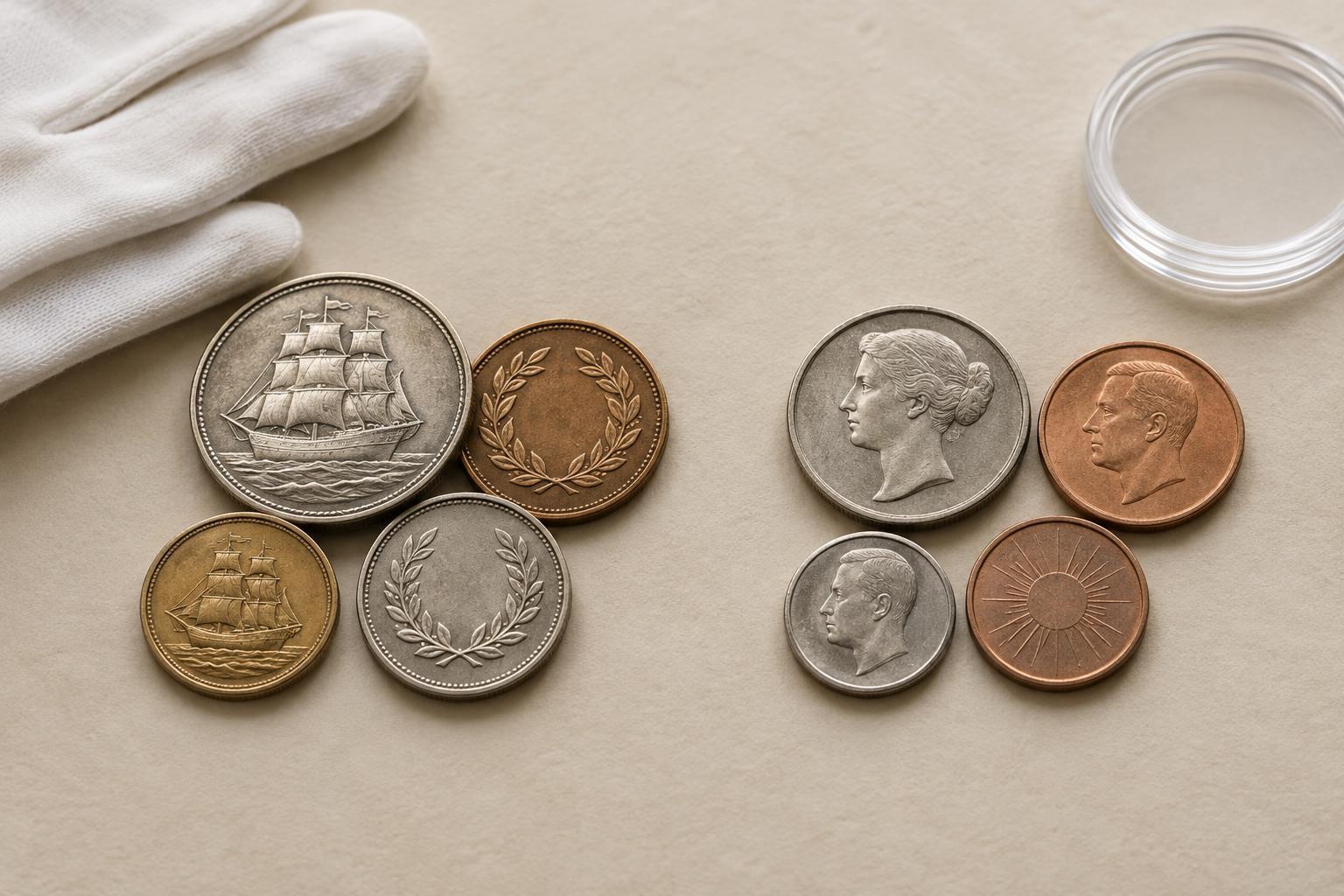
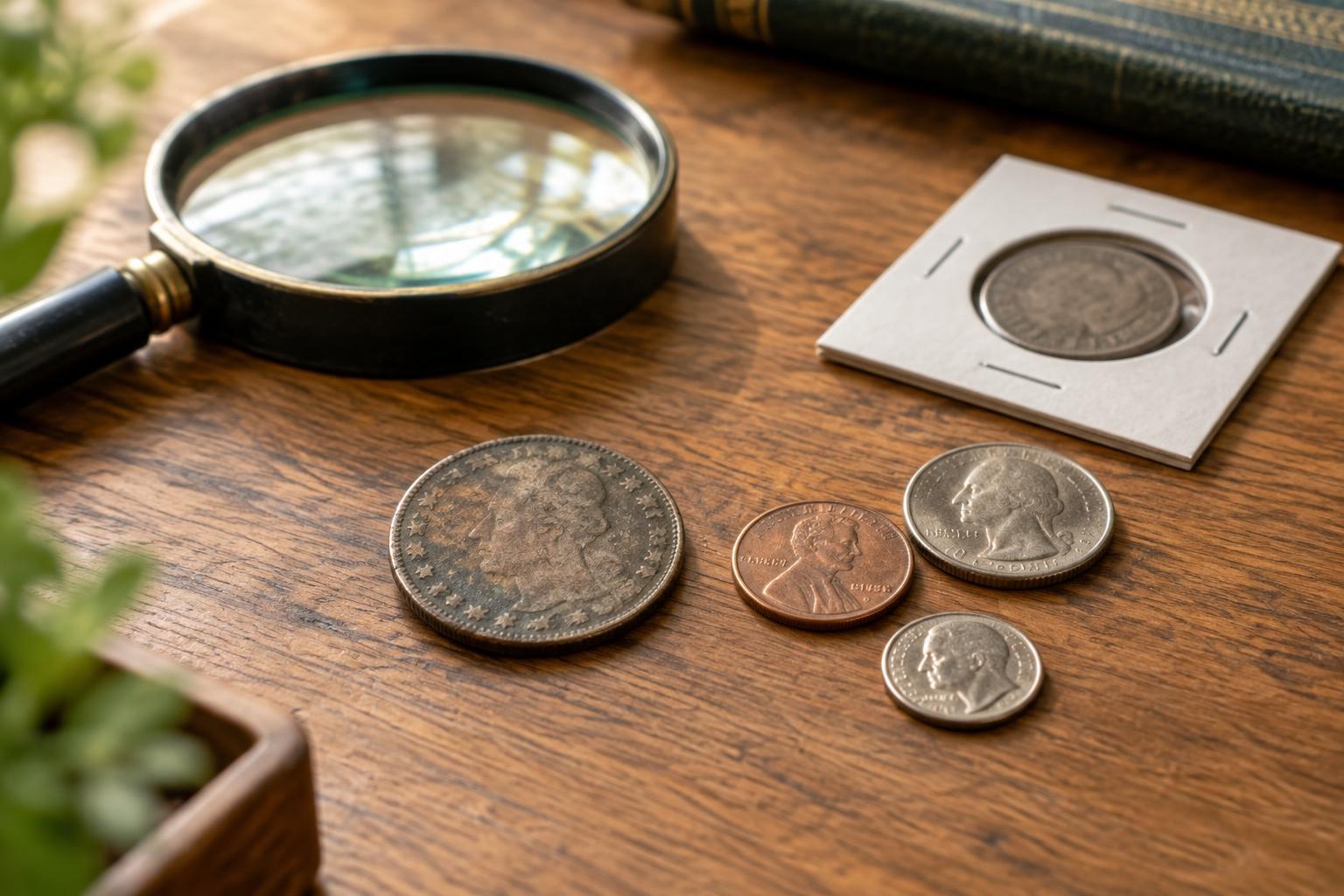
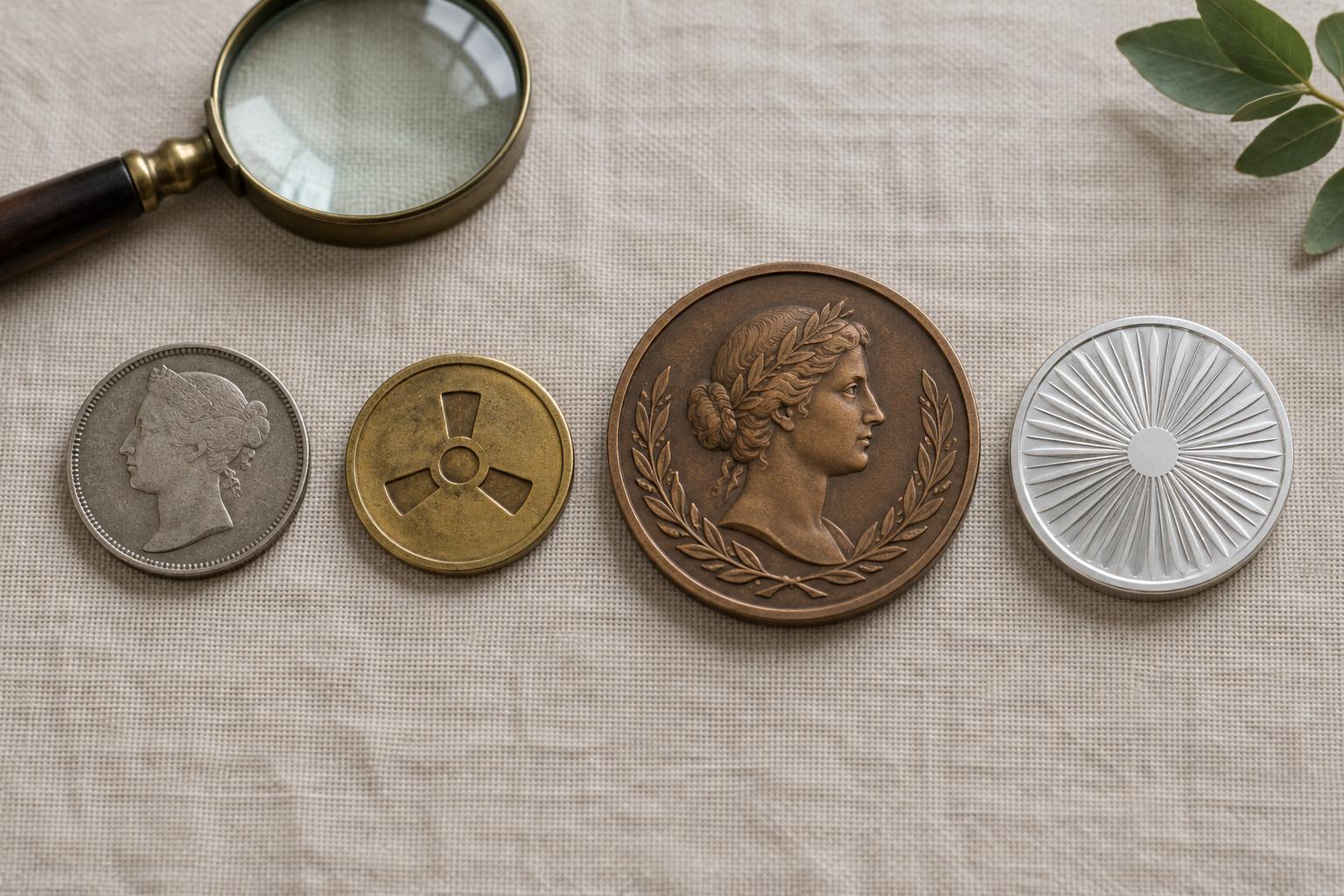
A small metal disc with a portrait and a date might look like a coin, but appearance alone does not settle the question. Coins, tokens, medals and rounds can share the same shapes, metals and manufacturing techniques. The most useful questions are: Who issued it? Was it intended to function as money, grant access to something, mark an occasion or represent a stated quantity of metal?
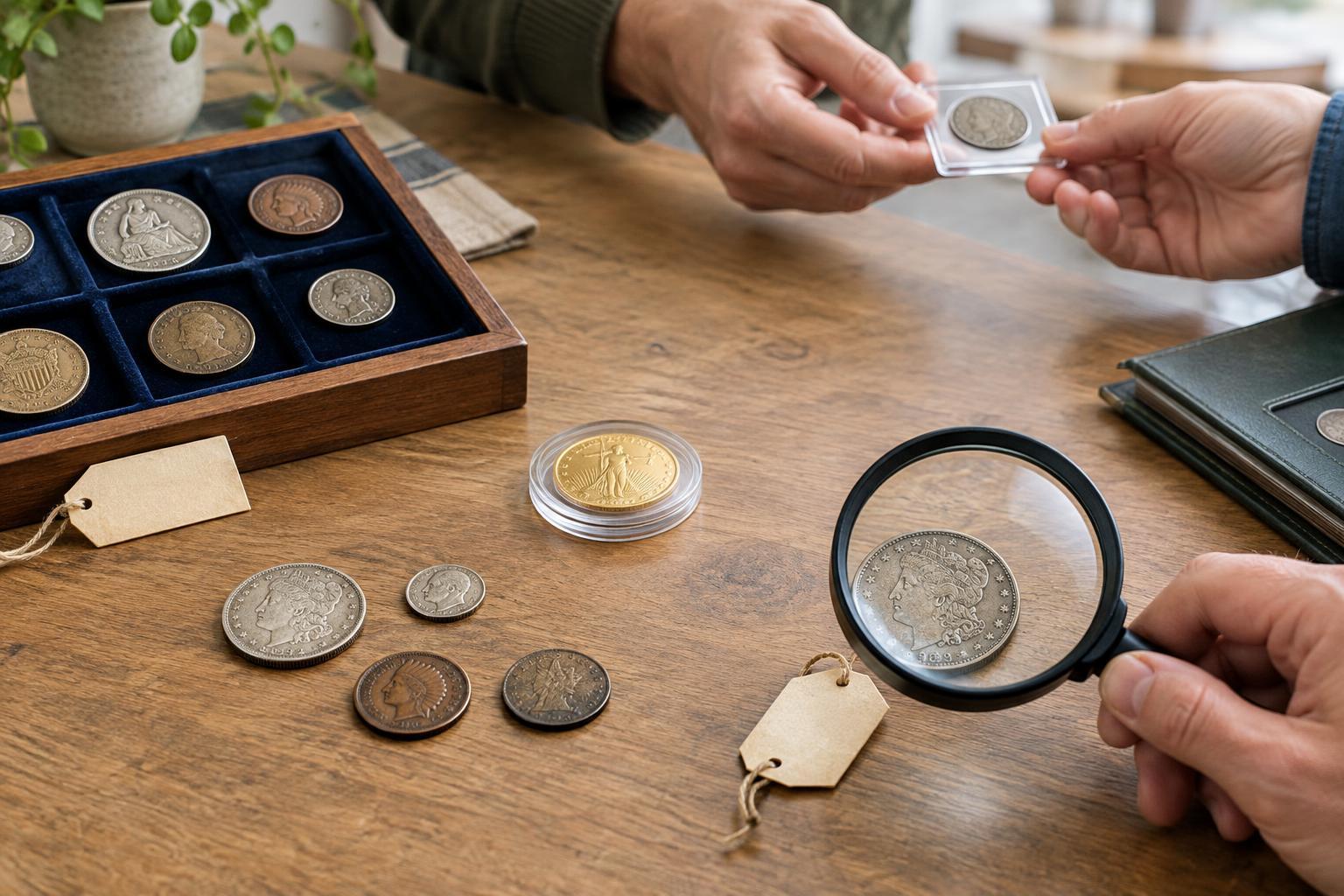
Begin by reading everything on both faces and around the edge. Look for a country or issuing authority, a denomination, a business name, a statement of weight and purity, or wording about an event. These clues are more reliable when considered together. A date does not make an object a coin, and a familiar-looking design does not prove that it came from an official mint.
Coins: money issued by an authority
A coin is generally issued by a government or other monetary authority as money. It commonly carries a denomination, such as one unit of a named currency, along with identifying designs or inscriptions. Many coins are made for everyday payments. Others are issued chiefly for collectors and may seldom circulate, even if they have legal-tender status.
The denomination is the coin’s stated monetary value, not necessarily what a collector would pay for it. A coin’s appeal can also depend on its condition, design, scarcity and metal content. Conversely, an unfamiliar denomination does not make a piece unofficial; currencies and coin designs differ widely. If you cannot identify the issuing authority from the object, record its inscriptions and compare them with a reliable reference before assigning it a country or type.
Tokens: pieces made for a particular use
Tokens are usually issued by businesses, organizations or local operators rather than as general-purpose national money. A transit token might once have paid for a ride; an arcade token might have activated a game; a merchant token might have been redeemable for goods or credit in a particular setting. Some tokens resemble ordinary coins and may even show a number or a word such as “cent.” Their intended use and issuer are the stronger clues.
Tokens can also be keepsakes or advertising pieces with no practical redemption use. That makes their boundaries less tidy than a simple checklist suggests. If a piece names a shop, service or venue, ask what its wording promises and whether it identifies a limited place of use. Do not assume an old token is still redeemable—or that it was ever accepted outside the setting for which it was made.
Medals and rounds: commemorations and metal pieces
A medal is typically made to commemorate a person or event, recognize an achievement, or present an artistic design. It is not generally issued for spending. Medals may be struck like coins, and some are made by official mints, so the maker alone cannot define the object. A portrait, anniversary inscription or award wording can point toward a medal, especially when there is no denomination or stated payment function.
A round is a privately issued, coin-shaped piece often associated with precious metal. Rounds commonly state a metal, weight and purity, and their designs may be decorative or commemorative. Unlike an official coin, a round has no government-issued face value simply because it contains silver or gold. Not every round is a medal, though a piece can seem to fit both descriptions: “round” often emphasizes its form and metal content, while “medal” emphasizes its commemorative purpose. A stamped purity claim is a clue to investigate, not proof of the metal inside.
A practical way to label an unfamiliar piece
When sorting a collection, make a short description before choosing a label. Note the exact wording, designs, apparent metal, diameter and edge details. Then look for evidence of an official monetary issue. If you find an identifiable authority and denomination, consider whether it is a coin. If you find a named business and a specific service or redemption promise, consider token. An event or award without a spending purpose suggests medal; a private weight-and-purity piece may be best described as a round.
Some objects will remain uncertain until you compare them with references, and it is fine to label one “unidentified coin-shaped piece” in the meantime. Handle it by the edges and avoid cleaning it to make inscriptions easier to read; cleaning can alter its surface. A careful description preserves both the object and the clues you need to learn its story.