What makes a coin commemorative?
A commemorative coin is issued to recognize a particular subject, such as an anniversary, a historical figure, a place or a cultural theme. Its design usually makes that purpose clear through an image, inscription or both. A regular-issue coin, by contrast, belongs to an ongoing series of coins made for everyday monetary use. Its design may stay the same for years or change over time without every version being considered a commemorative.
The key distinction is the reason for the issue, not simply whether the design looks unusual. A new portrait on a regular coin can be part of a routine redesign. A coin with a familiar denomination and size can still be commemorative if it was issued to mark a specific subject. When a label is unclear, look at how the issuing authority described the coin and whether the design was presented as a special tribute or part of the standard series.
Can a commemorative coin circulate?
Yes. Some commemorative coins are made for circulation and can turn up in change. Others are offered mainly to collectors, often in protective packaging or with a special finish. Either way, a commemorative coin may have a stated face value, but that does not mean every example was intended to pass from hand to hand in ordinary transactions.
Regular-issue coins can also be collected in uncirculated condition rather than found in change. “Commemorative,” “circulating” and “uncirculated” therefore answer different questions: why a coin was issued, how it was distributed or used, and what condition it is in. Keeping those ideas separate makes descriptions easier to understand and prevents a common mistake: assuming that a coin must be rare because it was sold to collectors, or ordinary because it was found in a pocket.
Design, finish and metal are separate clues
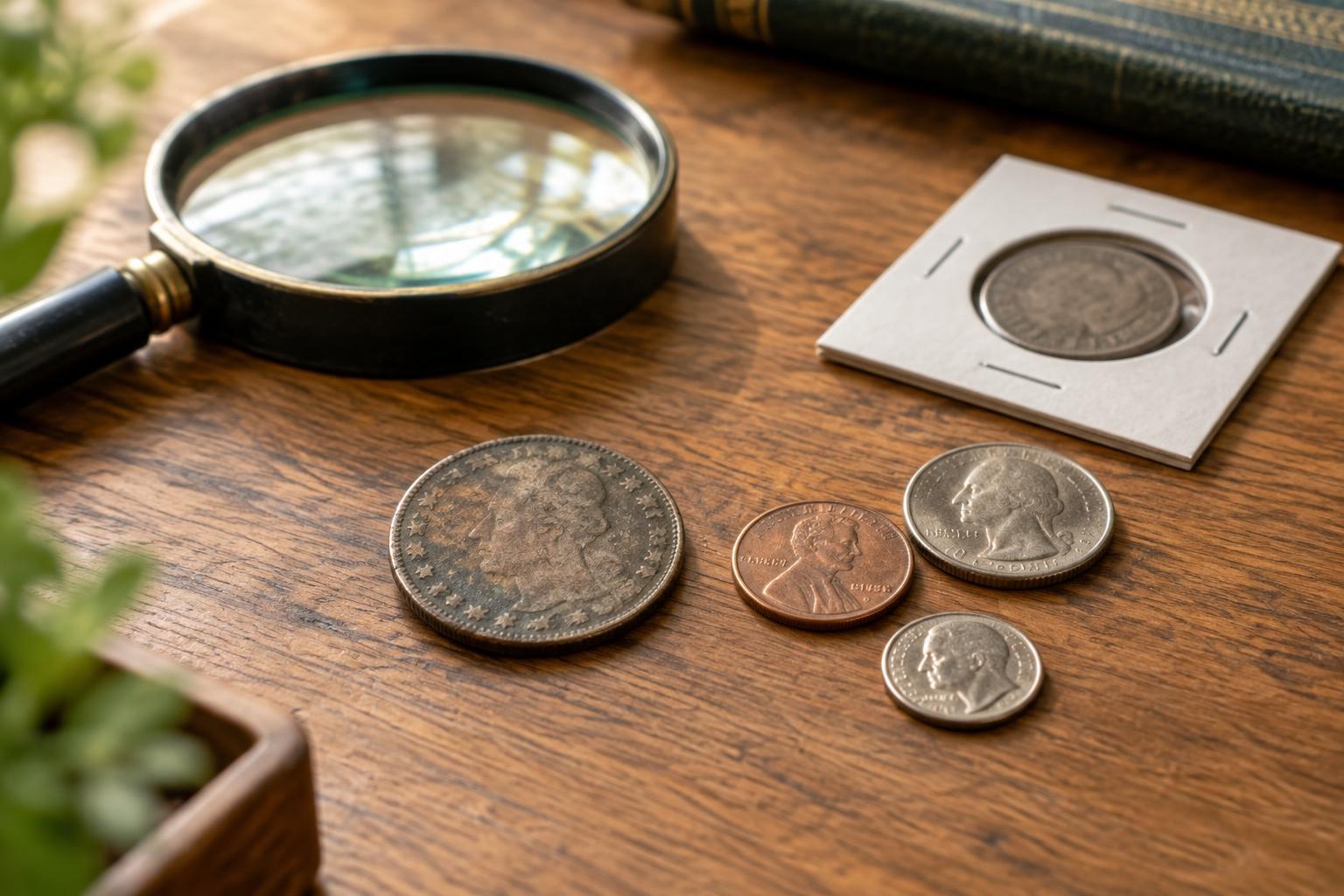
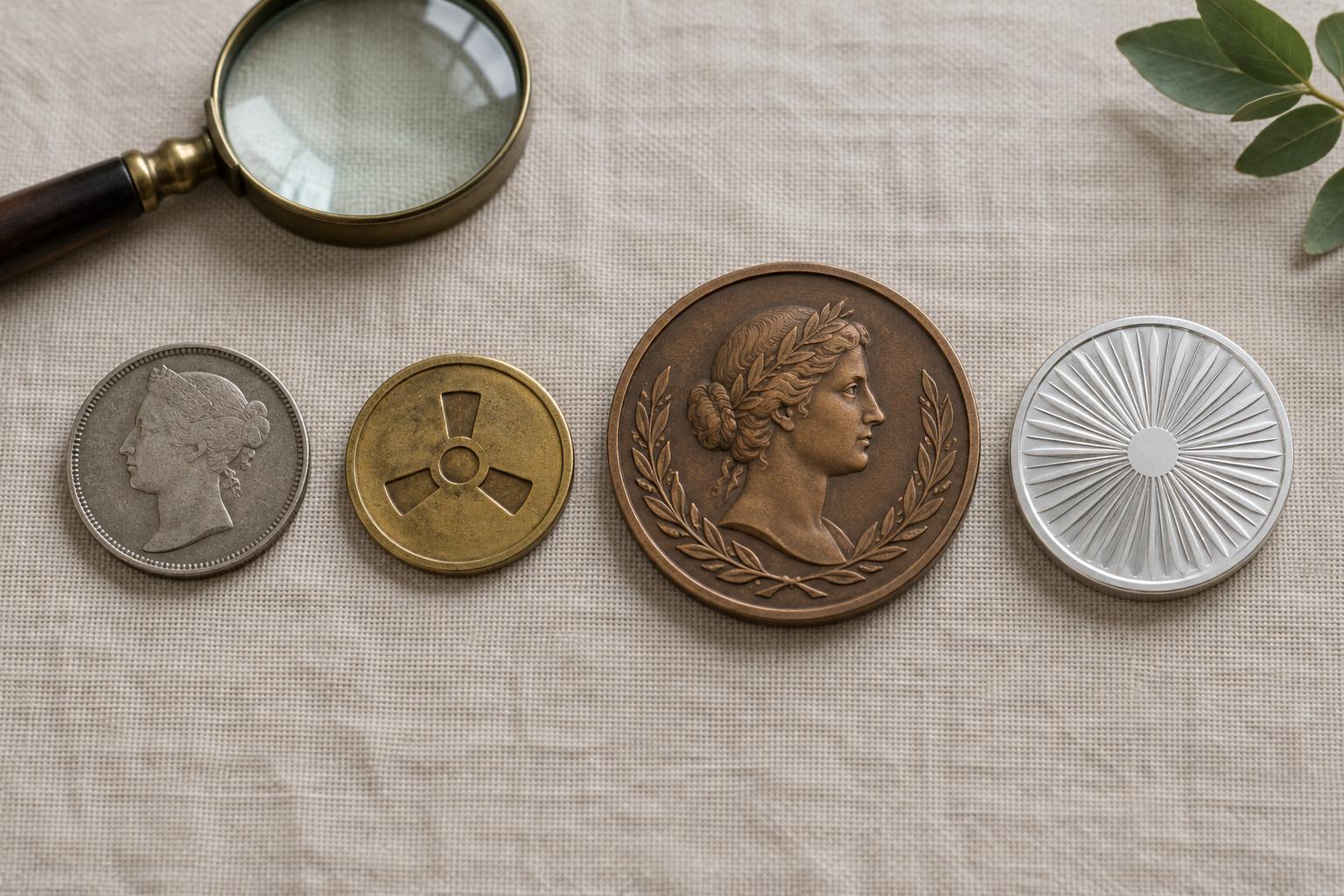
A commemorative design often includes a named event, date or symbol, while a regular-issue design may emphasize a national emblem, ruler or other recurring motif. Compare both sides of the coin. The denomination, issuing country and mintmark, if present, can help identify what you have. Those details may be small, so good lighting and a magnifier can be more useful than guessing from a single prominent image.
Finish and metal do not define a commemorative coin. A proof coin is made with a particular production method and appearance; “proof” is not another word for “commemorative.” Likewise, a commemorative coin might be made from the same metal as a regular-issue coin or from a different metal chosen for a collector release. Check reliable identifying details rather than judging by color or shine alone. A polished or damaged surface can be misleading.
Why prices vary within both groups
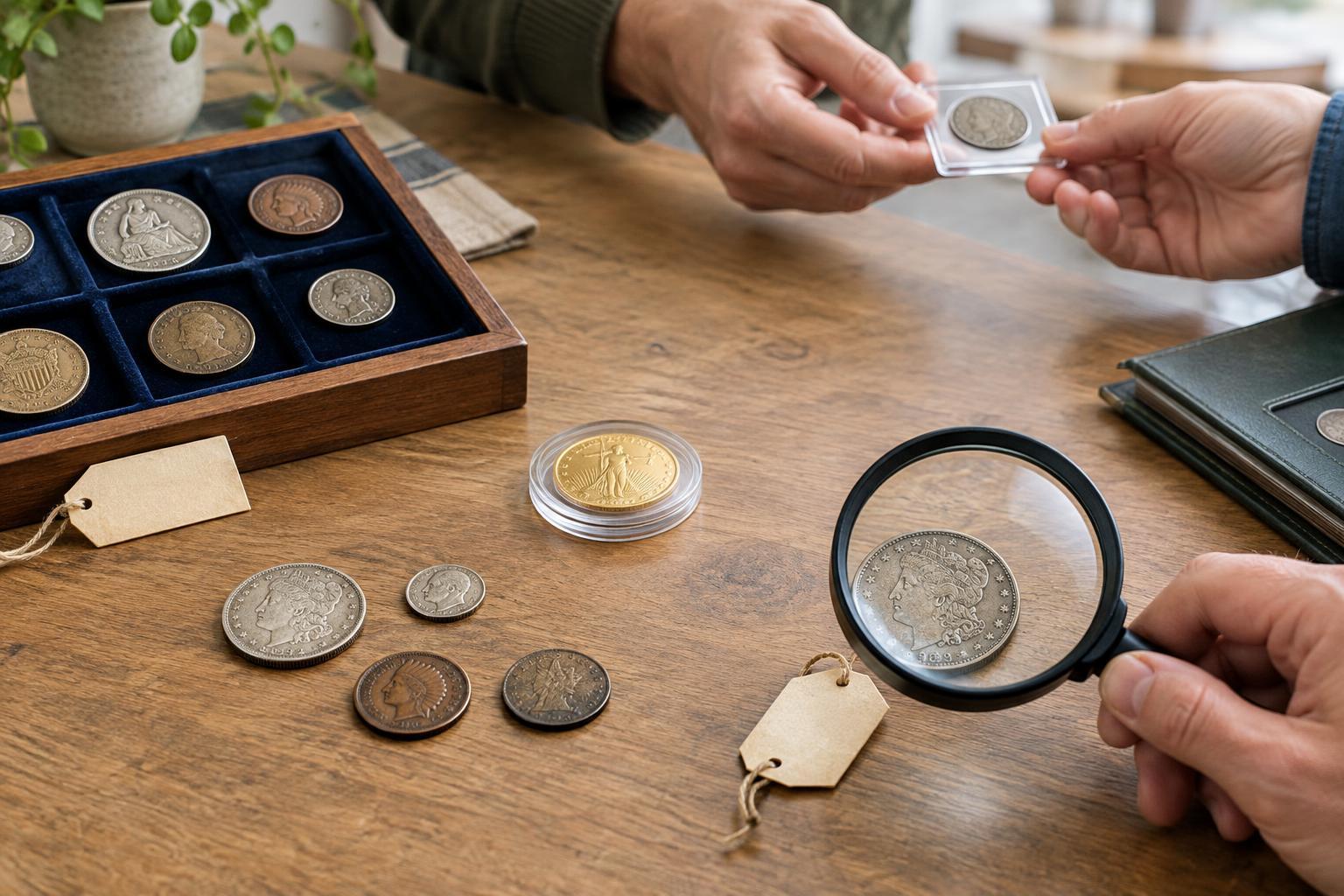
Neither category carries a guaranteed premium. A commemorative coin can be common, and a regular-issue coin can be difficult to find in a particular date, mintmark or condition. Collectors may also care about demand for the subject, the number originally made, how many examples survive, and whether a coin retains its original packaging. Those factors can affect interest, but they do not produce a fixed value for every coin with the same design.
Condition deserves special attention. Wear, scratches, spots and other damage can make two otherwise similar coins quite different to collectors. Packaging may help protect a coin and document how it was sold, but a box or certificate is not proof that the coin is scarce or valuable. If you are identifying an unfamiliar piece, record its exact wording and visible features before looking at asking prices; advertised prices alone do not establish what an example will sell for.
A simple way to collect and care for them
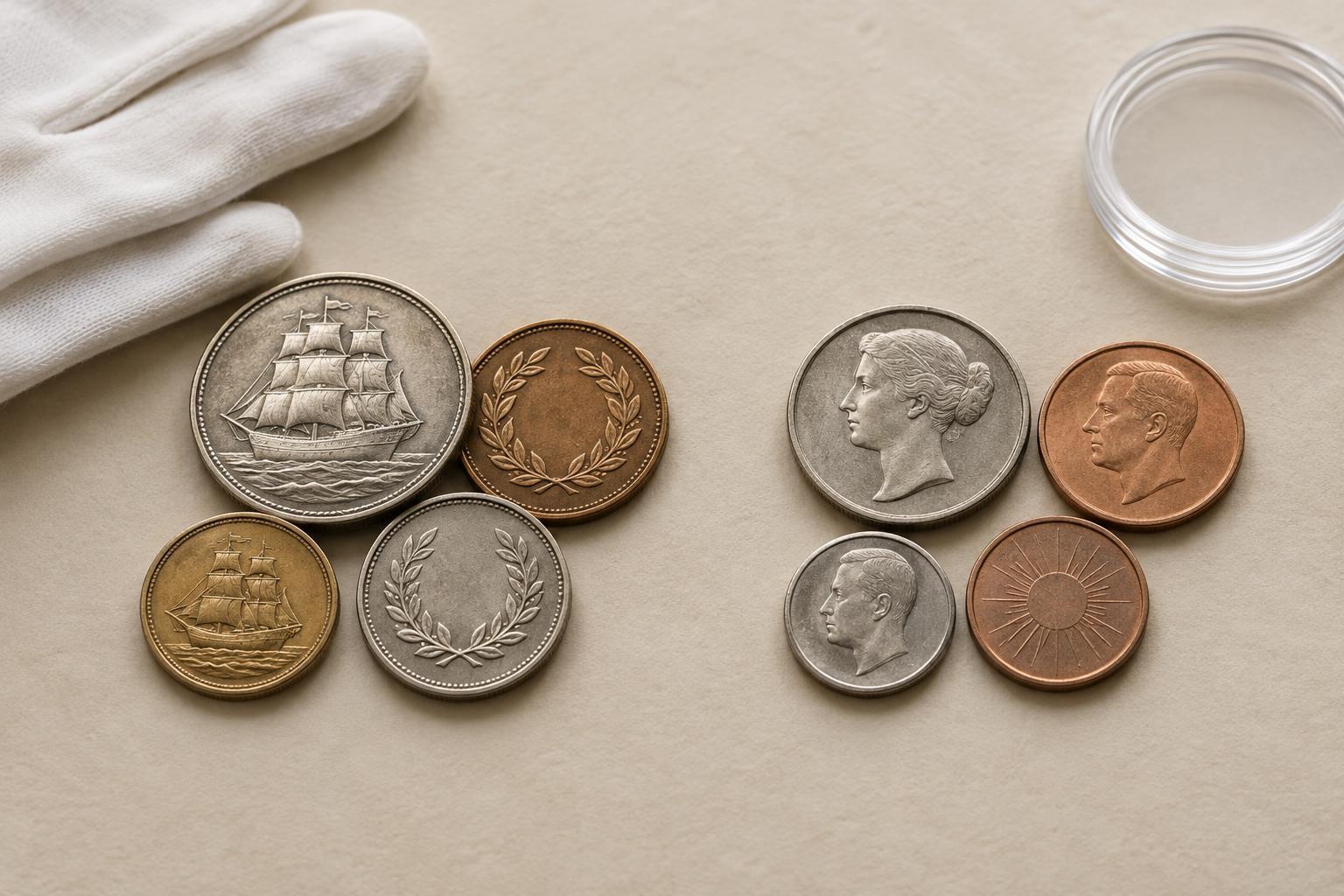
Beginners can build a collection around a question rather than a price target. You might compare commemorative and regular-issue designs from one country, collect subjects that interest you, or set aside circulating examples you find yourself. For each coin, note its denomination, date, mintmark, subject, condition and how you obtained it. This makes it easier to spot differences between similar-looking issues and to avoid buying duplicates by accident.
Handle coins by their edges when practical, and keep them in holders made for coin storage in a dry, stable place. Avoid rubbing or cleaning a coin to make its design easier to see; cleaning can leave permanent marks. Whether a coin celebrates a one-time occasion or belongs to a long-running series, careful identification and storage will help you learn from it. The most rewarding comparison is often what the two kinds of coins reveal about the choices behind their designs.