Legal tender is about payment, not collectibility
Legal tender is a status given to money under the rules of a particular country or jurisdiction. For a coin, it generally means the coin is recognized as money with a stated face value. It does not mean the coin is rare, valuable to collectors or accepted everywhere in everyday shopping.
The distinction matters because a collectible coin can have several different figures attached to it. Its face value is the denomination printed or otherwise indicated on the coin. A collector’s price is what someone may be willing to pay for that particular example. That price can depend on condition, scarcity, demand and other features, and it can change over time. Legal-tender status does not set a collector’s price.
Face value and collector value can be far apart
Suppose a commemorative coin has a face value of one unit of currency. If collectors want it for its design, limited availability or condition, they may offer more than one unit to acquire it. A common circulating coin, by contrast, may attract little interest beyond its face value. Neither outcome follows automatically from the words “legal tender.”
Some coins are issued primarily for collectors rather than routine circulation. They may carry a denomination and have legal-tender status in the issuing jurisdiction, yet be sold or traded for more than that denomination. Coins made from precious metals can also have a face value that differs from what someone would pay for their metal content or for the coin as a collectible. These are separate ways of looking at a coin, not interchangeable promises of what it will bring in a sale.
Legal tender does not mean every shop will take it
A coin’s legal status and its practical usefulness at a checkout are different questions. Payment rules vary by jurisdiction and by circumstance. A business may be unfamiliar with an unusual denomination or a collector issue, and local rules can affect what forms of payment it must accept. Rather than assuming that a cashier will recognize a coin, check the relevant rules if you need to know whether it can be used for a particular payment.
Legal-tender status is also tied to the issuing jurisdiction. A coin that is legal tender in one country is not automatically legal tender in another. A foreign coin might interest a collector or be exchangeable through some channels, but that is different from being recognized as money where you live.
Older coins need a closer look
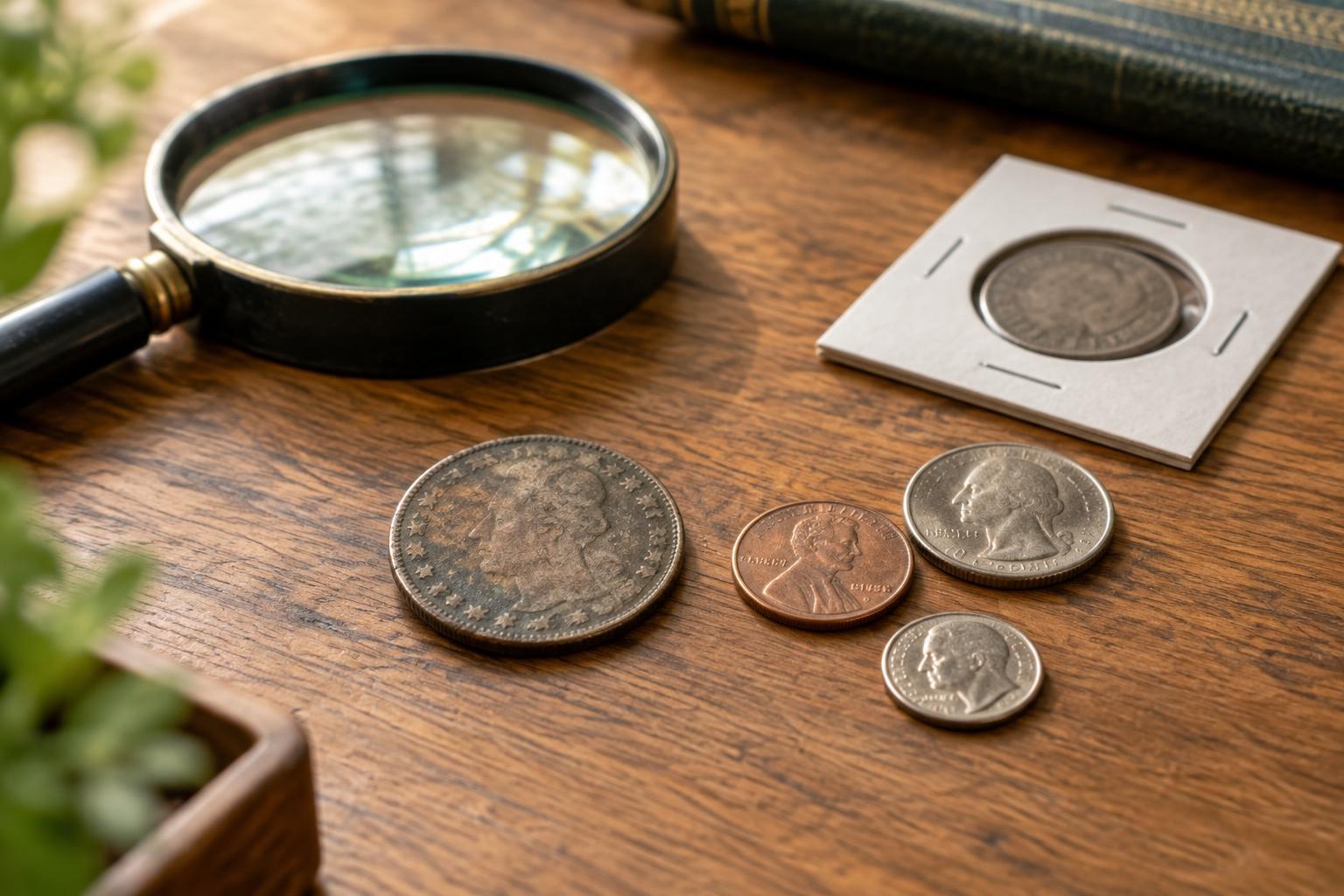
Age alone does not tell you whether a coin remains legal tender. Some older designs continue to be recognized, while other coins have been withdrawn or replaced under the rules of their issuing jurisdiction. A coin can also remain collectible after it can no longer be used at face value. If the status matters, identify the country, denomination and type of coin, then consult that issuer’s guidance rather than relying on appearance.
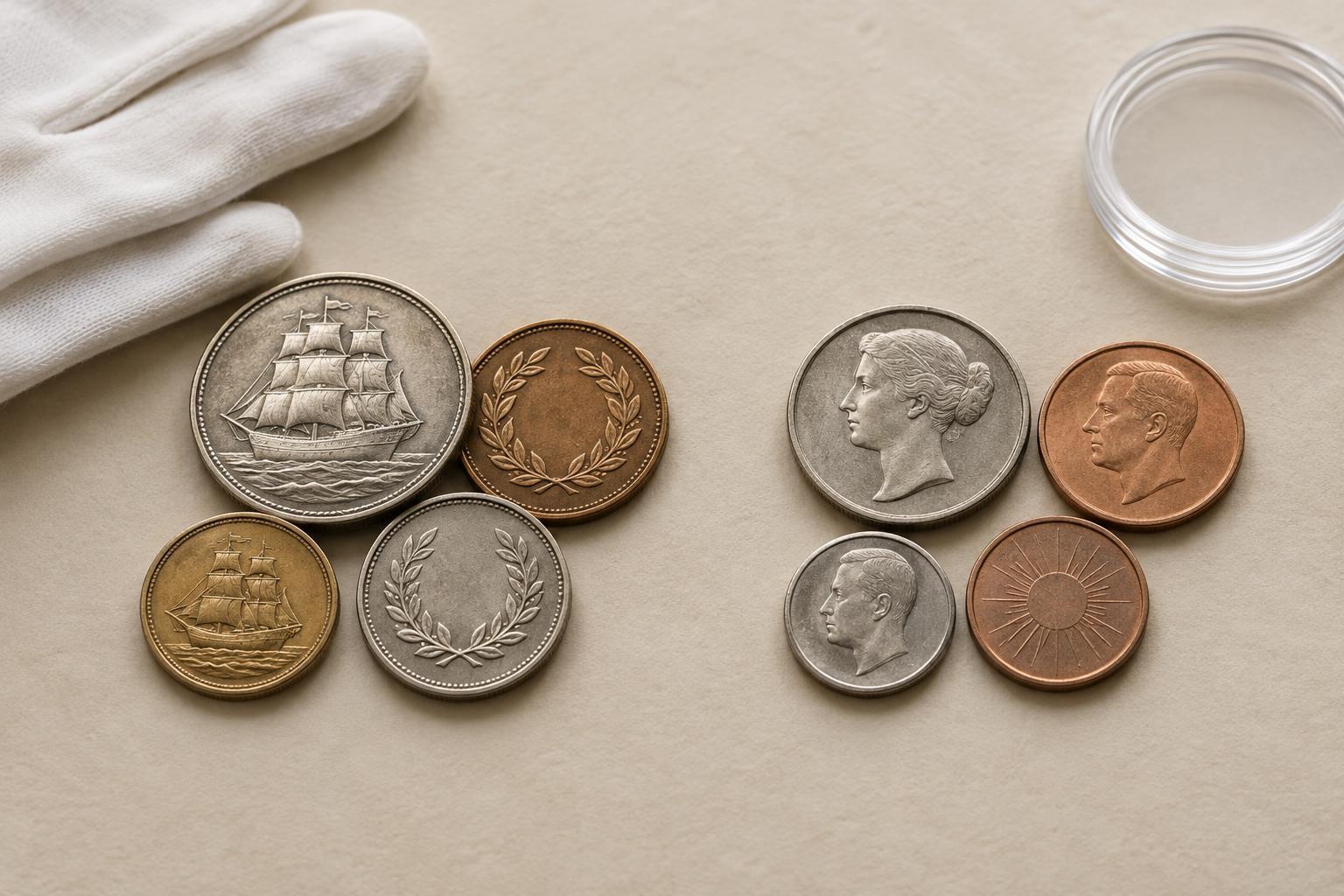
This is especially useful when sorting inherited or mixed collections. Coins that look similar may have different dates, designs, compositions or issuing authorities. Recording those details before deciding what to do with a coin reduces the chance of confusing its monetary status with its interest to collectors.
What to check before spending a collectible coin
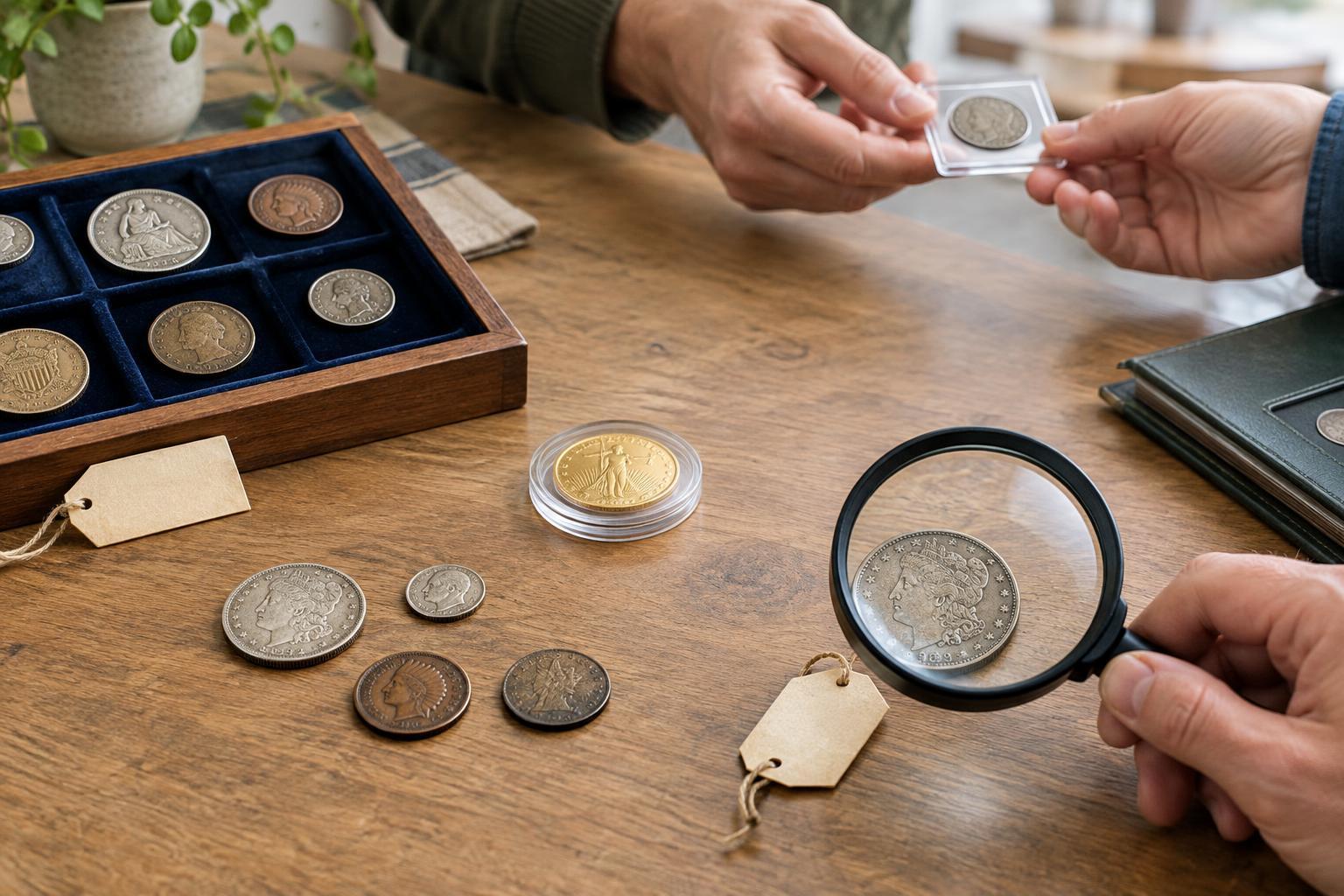
Before using an unusual coin as money, take a moment to identify it. Read the denomination and issuing country, note the date and design, and look for any obvious signs that it is a special issue or an older type. Handle it by the edges when possible, and avoid cleaning it: cleaning can alter its surfaces and may make it less appealing to collectors.
If you are unsure what you have, set the coin aside until you can compare it with reliable identification information. Spending a collectible coin generally gives you only its face value, even if someone else might have wanted it for a collection. The central lesson is simple: legal tender describes a coin’s monetary status in a particular place; it does not describe its condition, guarantee a collector price or tell you whether spending it is your best option.