Scarcity is only one part of the story
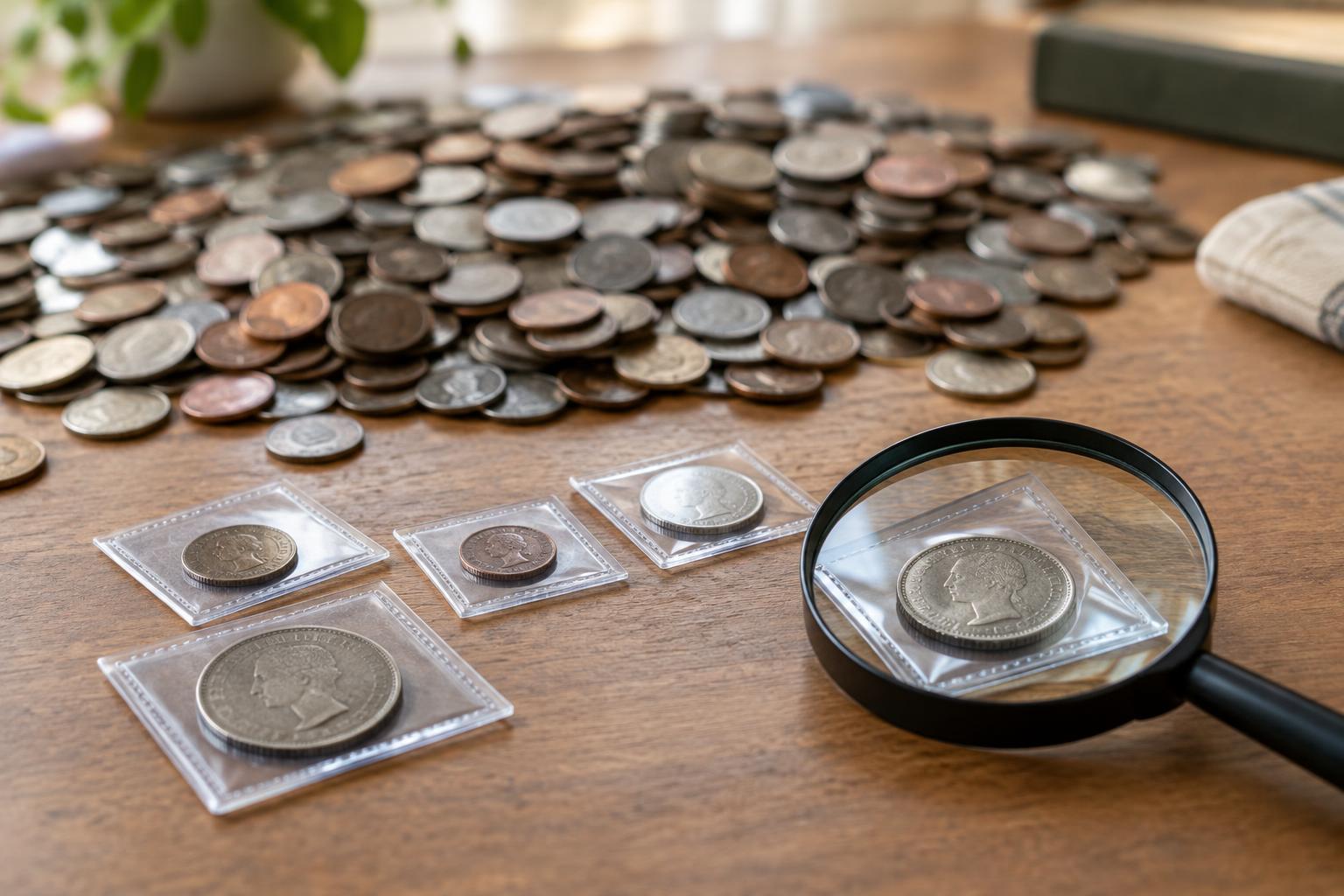
It is natural to notice a small mintage figure and assume that the coin must be valuable. Mintage tells you how many pieces a mint originally produced, but it does not tell you how many remain or how many people want one. A coin with few surviving examples may attract little attention if few collectors pursue its series. Meanwhile, a more common coin can draw strong interest because its design, history, or place in a popular set appeals to many people.
A useful distinction is rarity versus demand. Rarity concerns how hard a coin is to find in a particular form. Demand concerns how many interested buyers are looking for it, and how strongly they want it. Prices emerge when those factors meet in actual transactions. Neither factor stays fixed: collections are discovered, collecting interests change, and a coin that is difficult to locate in one setting may be easier to find through a specialist.
Mintage and surviving supply are different
Coins can disappear from the available supply after they leave the mint. Some are lost, damaged, melted, or held in collections for long periods. Others survive in large numbers because people saved them when they were new. For that reason, two issues with similar mintages may be quite different to collect today. An original production figure is a starting point for understanding scarcity, not a count of coins currently available.
Availability can also depend on the condition you seek. A well-worn example of an issue might be relatively easy to find, while one with little wear is much harder to obtain. Collectors sometimes call this condition rarity. The phrase does not mean every attractive-looking example is rare; it means that the supply changes when a specific grade or level of preservation is required. Before calling a coin scarce, ask: scarce in any condition, or scarce only in a particular condition?
Demand depends on what collectors collect
Collectors do not all build the same kind of collection. One person may seek a coin from every year in a series, another may collect one example of each design, and another may focus on a particular mint or historical theme. A coin needed to complete a widely collected series may face more competition than an equally scarce coin outside it. That competition can matter as much as the number of examples available.
Demand can also be specific. Some collectors prefer original surfaces, strong design details, or coins with an appealing appearance. Others are content with a worn example that clearly represents the date and type. A price associated with a notably well-preserved coin should not be assumed to apply to every coin of the same issue. The date and mint mark identify what a coin is, but its individual characteristics influence how collectors compare it with others.
Identification and condition shape comparisons
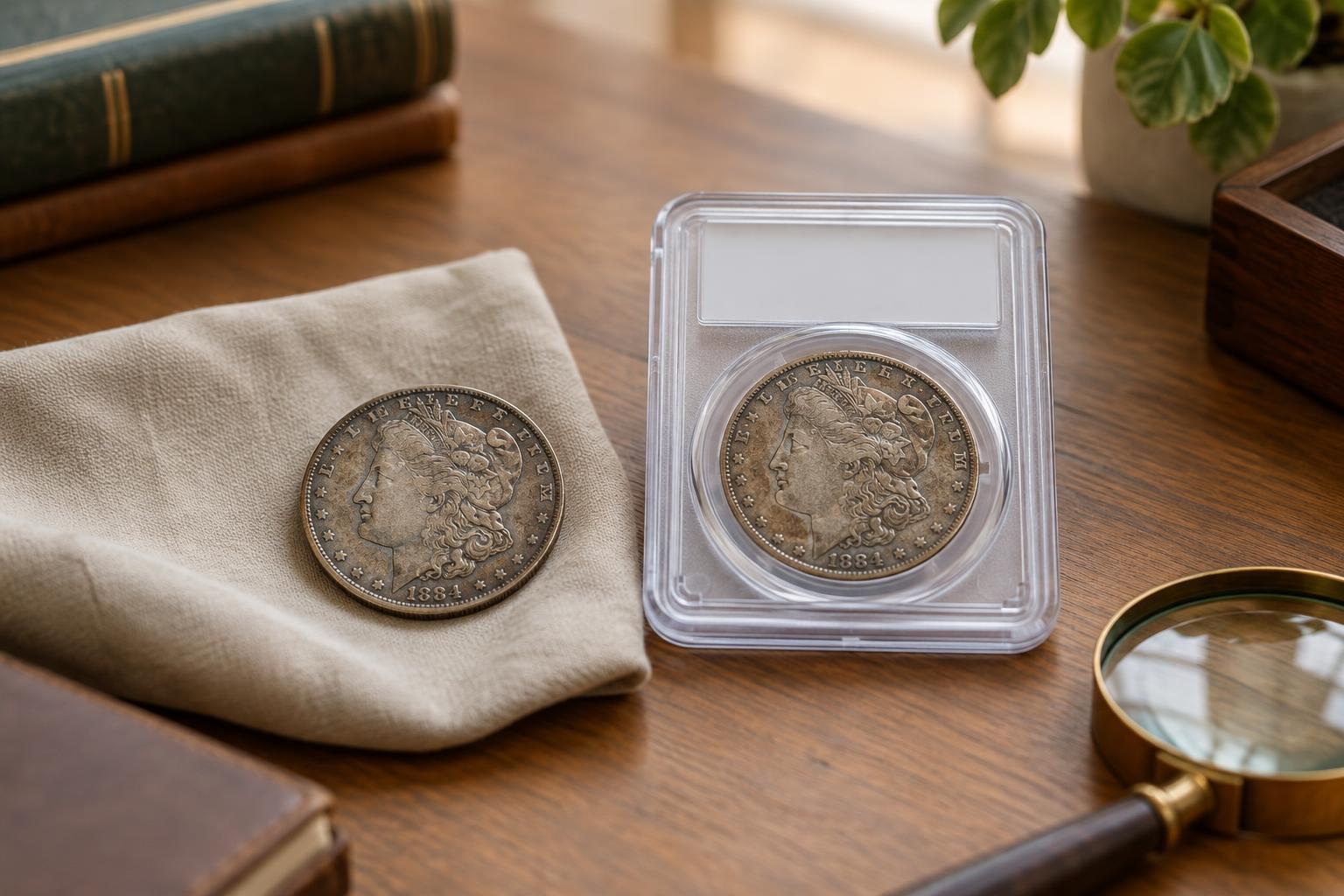
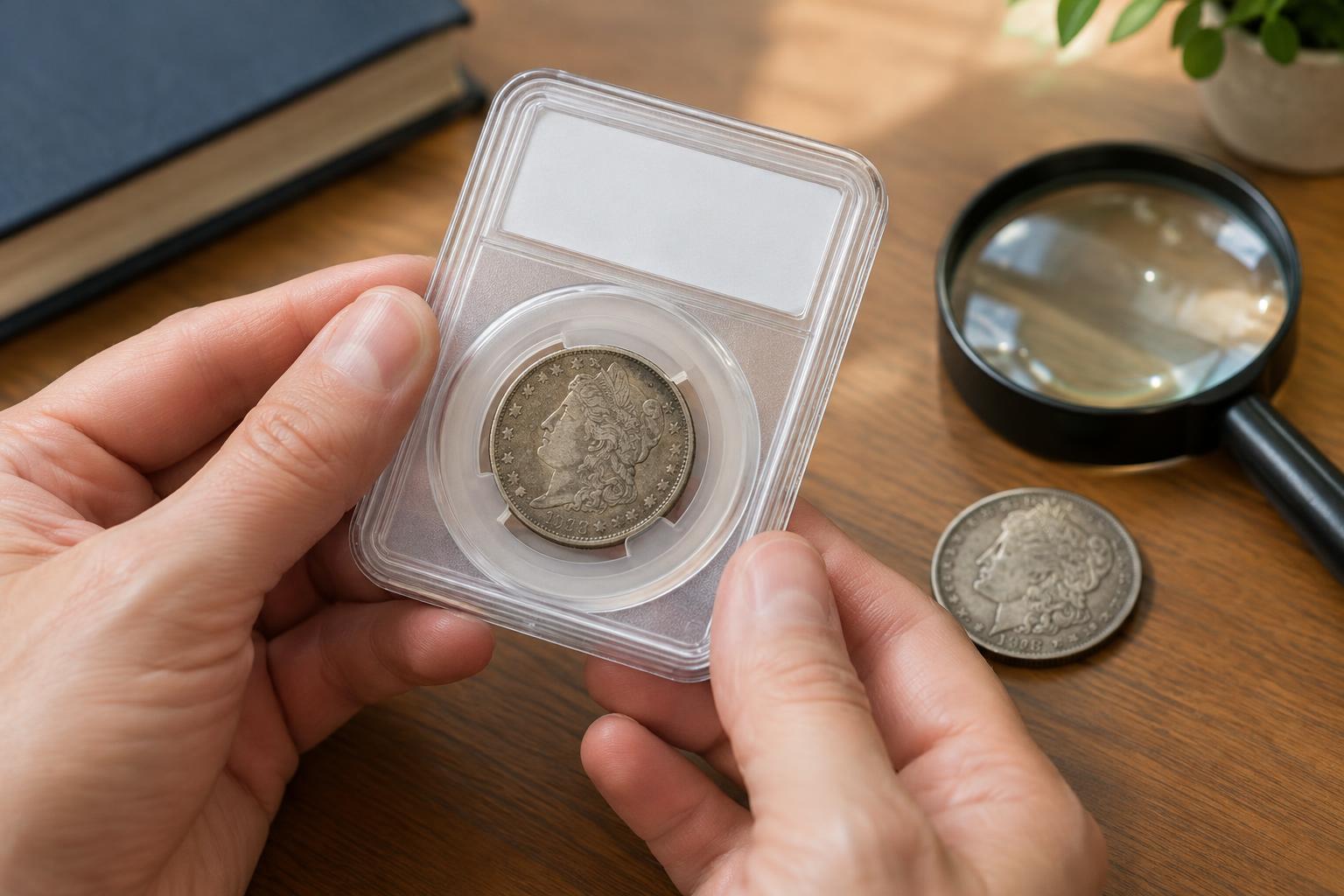
Before comparing prices, make sure the coins being compared are genuinely alike. Check the date, mint mark, denomination, and design. If a listing describes a variety, learn which visible features distinguish that variety from an ordinary example. Wear or damage can make small details difficult to judge, so an uncertain identification should remain uncertain until it can be checked carefully. A scarce variety does not make every similar-looking coin scarce.
Condition requires the same care. Wear, scratches, cleaning, corrosion, and other surface problems can affect collector interest, even when a coin is otherwise hard to find. Grading terms are useful shorthand, but descriptions and opinions can differ. Clear photographs and an honest account of any problems make comparisons more meaningful. Cleaning a coin to improve its appearance can alter its surfaces, so resist the urge to polish a find before learning more about it.
A practical way to think about value
Imagine two hypothetical coins. Coin A has a low original mintage, but its series has a small collector following and many surviving examples have been preserved. Coin B was made in greater numbers, yet many examples are heavily worn and collectors often seek it with clear details. Coin A may be scarcer by mintage, while a desirable example of Coin B may attract stronger offers. The point is not that one will always cost more; it is that a single number cannot settle the comparison.
When evaluating a coin, start with its correct identification, then consider surviving availability, condition, and the kind of demand it attracts. Compare like with like rather than relying on the highest advertised asking price or a figure for a much finer example. Prices can vary with the coin and the circumstances of a sale. For a beginner, understanding those differences is more useful than looking for a rule that turns every scarce coin into an expensive one.