What PVC has to do with coin storage
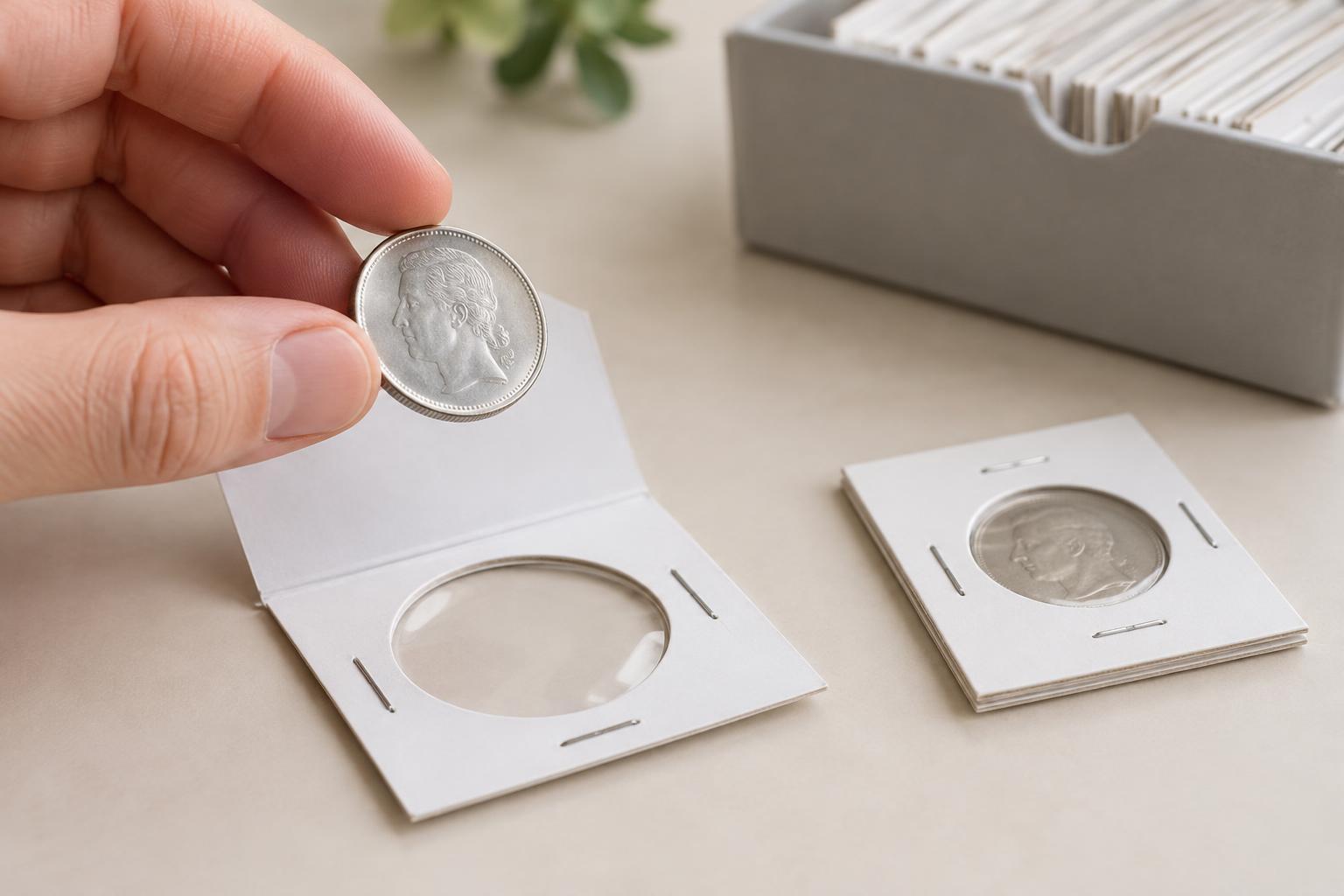
A coin flip is a small holder, often made with two clear pockets. It lets a collector view a coin without repeatedly handling it. But clear flips are not all made from the same plastic. Some soft, flexible flips contain polyvinyl chloride, or PVC, along with additives that make the material pliable. Those additives are the reason collectors are cautious about using them for long-term storage.
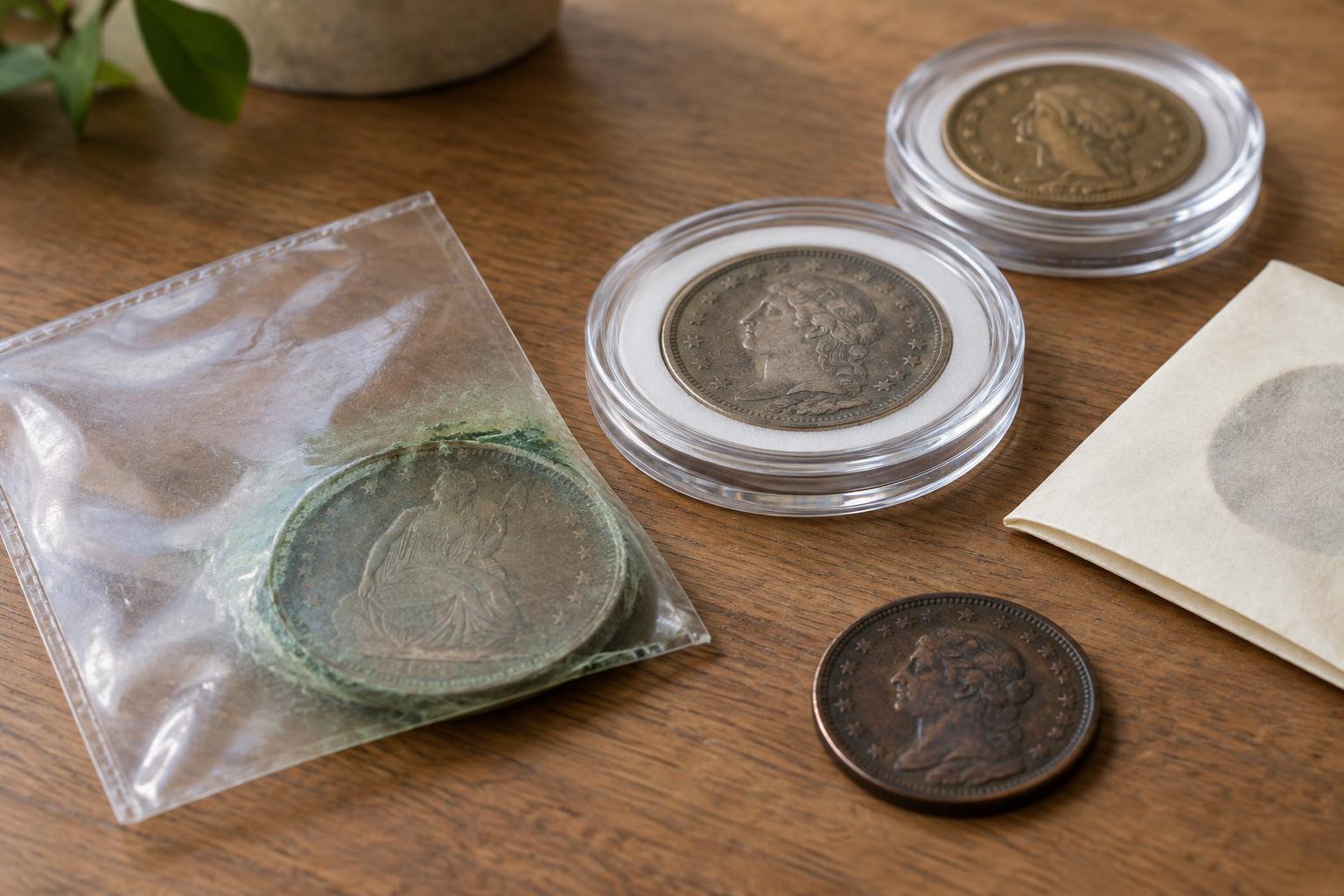
Over time, additives can migrate from a PVC holder onto the coin it touches. Collectors often call the resulting film “PVC residue.” It may first appear as a faint haze or a tacky patch rather than obvious damage. If residue remains on a coin, it can contribute to changes in the surface that are difficult or impossible to reverse. The risk depends on factors such as the holder, the coin, storage conditions and how long they remain in contact.
How to recognize a possible problem
Greenish smears or spots are commonly associated with PVC residue, especially on some copper-containing coins. Affected areas can also look cloudy, oily or sticky. Color alone is not a reliable diagnosis, though: coins can develop green deposits for other reasons, and residue does not always look green. Inspect a coin under steady light, without pressing it against the plastic, and compare what you see with any earlier photographs or notes you have.
The holder may offer clues too. A very soft flip that bends easily and has a strong plastic smell may warrant closer scrutiny, but feel and smell cannot establish its composition. Conversely, a holder that looks clean does not guarantee that the coin beneath it is unaffected. If the material is unidentified, replacing the holder with one clearly described as PVC-free is a sensible precaution. Check the product’s materials rather than relying on appearance or the word “archival” alone.
Choosing materials for long-term storage
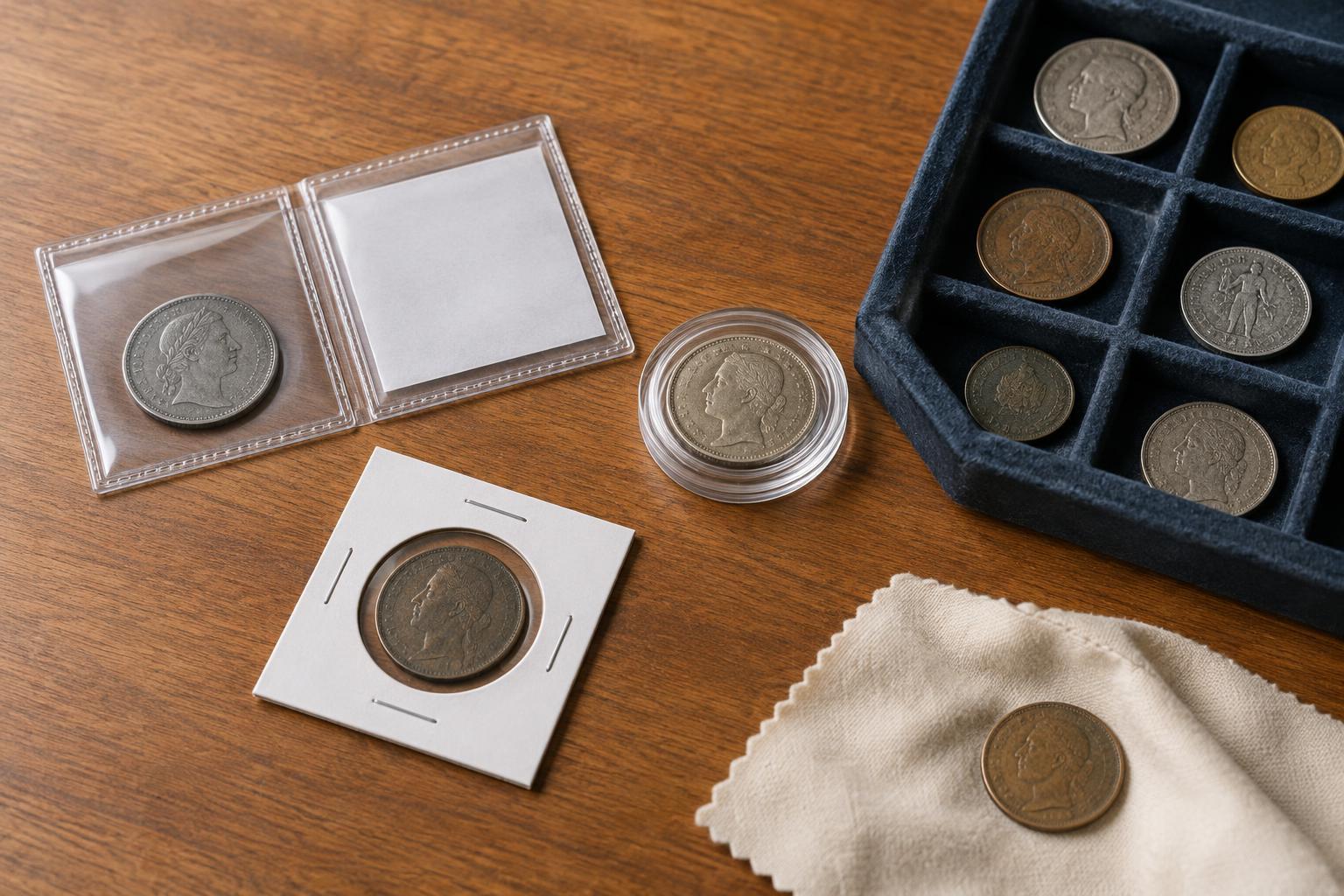
For flips and clear sleeves, look for products whose stated materials are suitable for coin storage, such as unplasticized polyester, polyethylene or polypropylene. Rigid holders made from appropriate plastics can also limit contact with soft packaging. A paper coin envelope or cardboard holder can be useful when its materials are suitable for storage and the coin will not rub against rough edges. None of these choices removes the need to check the coin periodically.
Pay attention to the entire holder, not just its window. Adhesives, foam inserts and printed surfaces may sit close to a coin. Choose a size that keeps the coin from sliding excessively without forcing it into a tight opening. Label the holder rather than the coin, and keep labels or ink away from surfaces that could touch it. If a seller describes a product only as “plastic,” ask what it is made from before trusting it for extended storage.
What to do if you suspect PVC residue
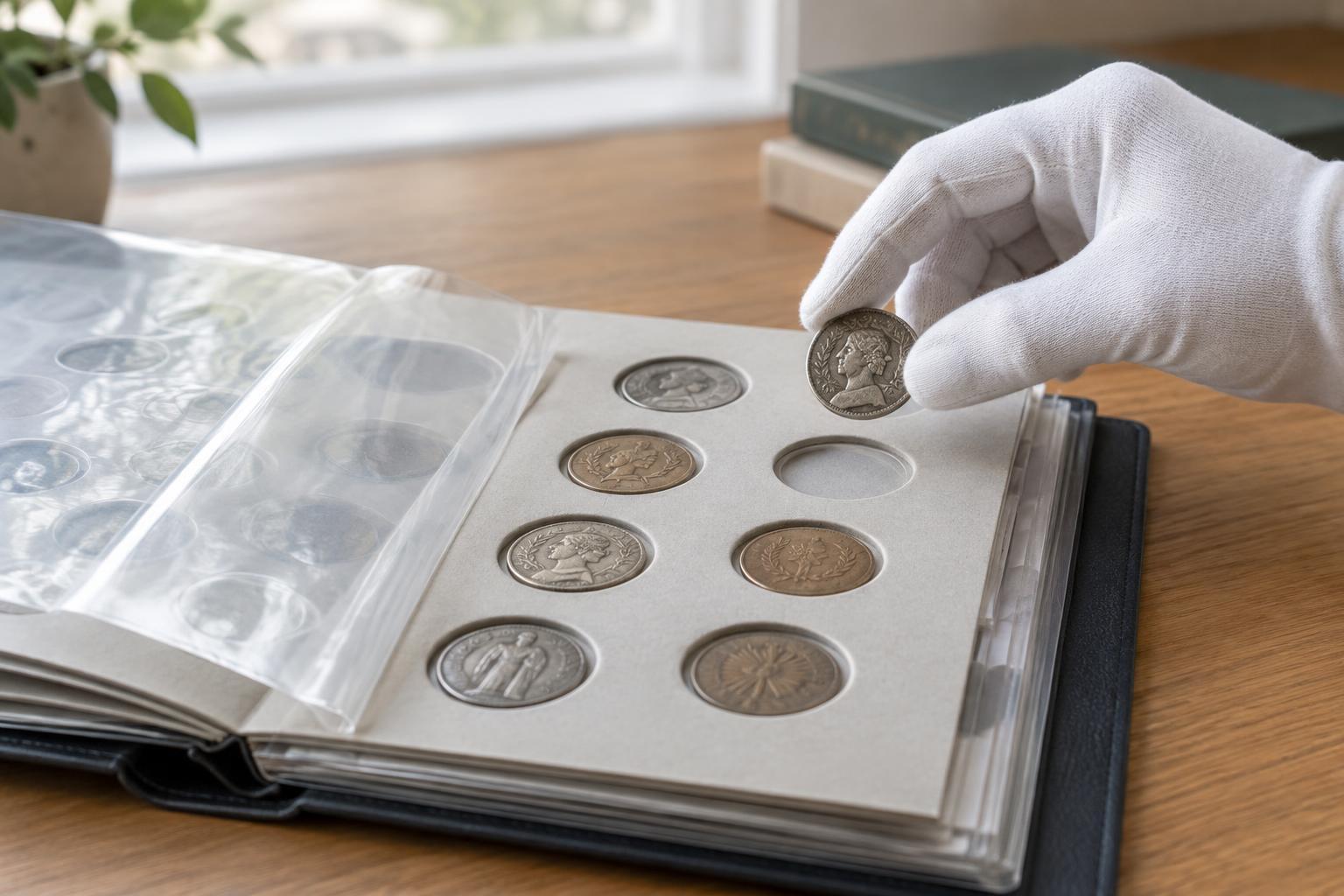
First, separate the coin from the questionable holder so it has no further contact with that material. Hold the coin by its edges, preferably over a soft, clean work surface, and place it in a known PVC-free holder. Keep the old flip apart from other coins until you have finished checking the collection. This is also a good time to look at coins stored in similar holders, even if they appear unaffected.
Resist the urge to wipe, polish or scrape away a film. Abrasion can leave fine marks, and improper cleaning may alter a coin’s surface. If a coin seems to have residue, particularly if it is important to your collection, seek guidance from a qualified coin conservation professional before attempting treatment. A holder change prevents further contact with the suspect plastic, but it does not necessarily remove material already on the coin.
Make storage checks part of the hobby
Good storage is a routine rather than a one-time purchase. Keep coins in a reasonably stable, dry environment, away from direct sunlight and sources of heat. Avoid places where large changes in temperature or humidity are common. Store holders so coins are not compressed against one another, and check them occasionally for changes to the plastic or the coin’s surface.
A simple inventory can make those checks more useful. Note which coins share a type of holder and when you rehoused them; photographs can help you notice later changes. The central lesson is straightforward: a clear holder is not necessarily an inert holder. Knowing its material, limiting unnecessary handling and responding carefully to suspected residue will do more to protect a collection than trying to repair damage after it appears.