Give your collection a direction
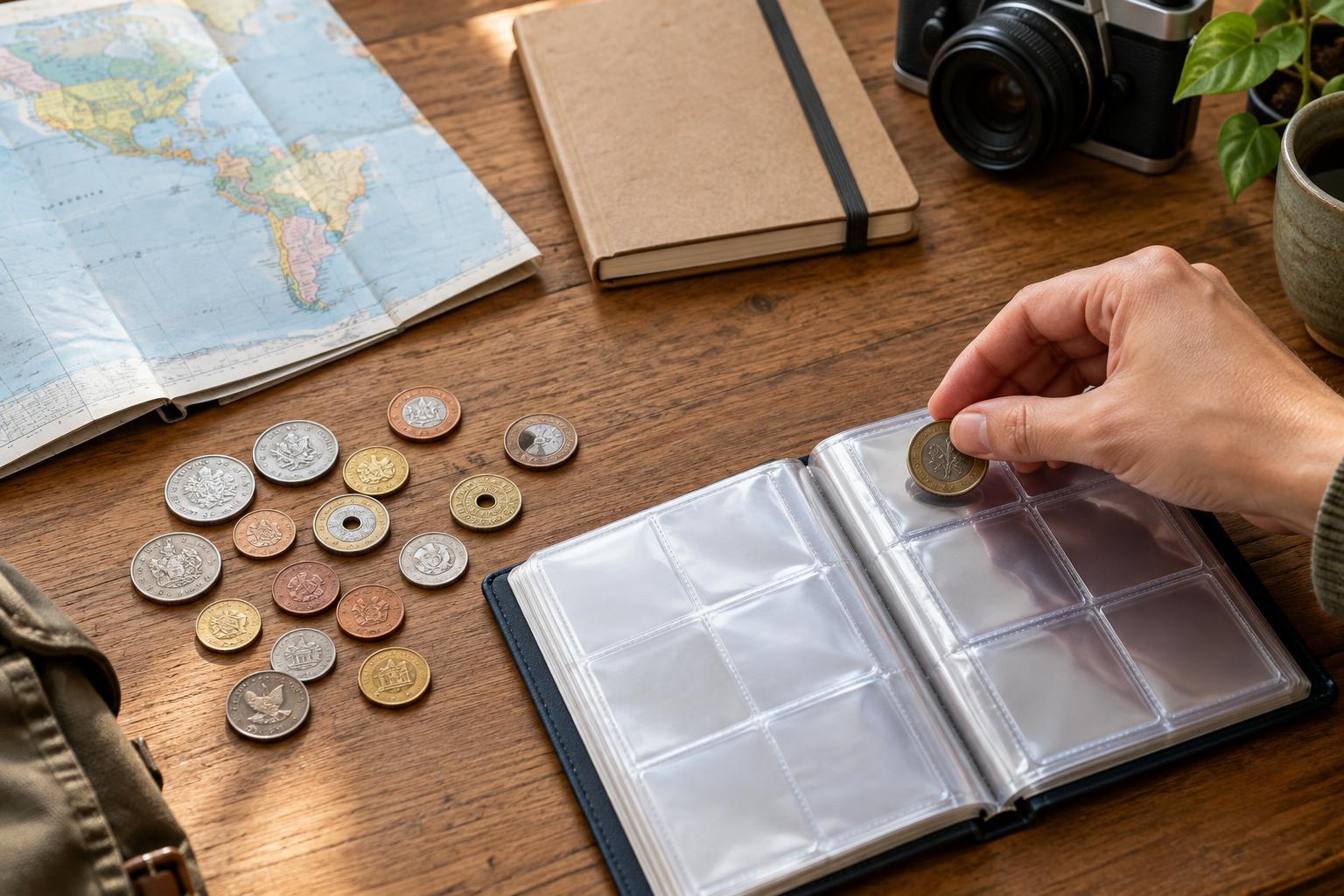
An unfamiliar design, a bright surface or a seller’s enthusiastic description can make a coin feel hard to pass up. That excitement is part of the pleasure of collecting. An impulse purchase becomes a problem when the coin arrives and you cannot explain how it fits with the collection you wanted to build. A simple collecting goal gives you a way to enjoy the discovery without feeling obliged to buy.
Write down a focus narrow enough to guide a decision but broad enough to remain fun. You might collect coins from one country during a chosen period, study a recurring design, or assemble examples of different minting methods. Then keep a short list of pieces that would advance that goal. The list can change as your interests grow; its purpose is to make a tempting coin compete with your own priorities, not to turn a hobby into a set of rigid rules.
Set limits before you start looking
Decide what you are comfortable spending on the hobby before you browse listings or visit a coin show. Remember that the purchase price may not be the full cost: shipping, applicable fees and suitable storage can add to it. Reserving part of your hobby budget for planned purchases makes it easier to walk away from a coin that is appealing but not a priority. There is no need to spend an available budget simply because it is there.
A want list can include a preferred grade or condition range and a maximum price you are willing to consider for each type of coin. Those limits are personal, not predictions of what a coin will be worth later. Prices can vary with condition, authenticity, demand and the circumstances of a sale. If you do not yet understand why two similar-looking coins are priced differently, treat that uncertainty as a reason to learn more before buying.
Use a quick checklist for each candidate
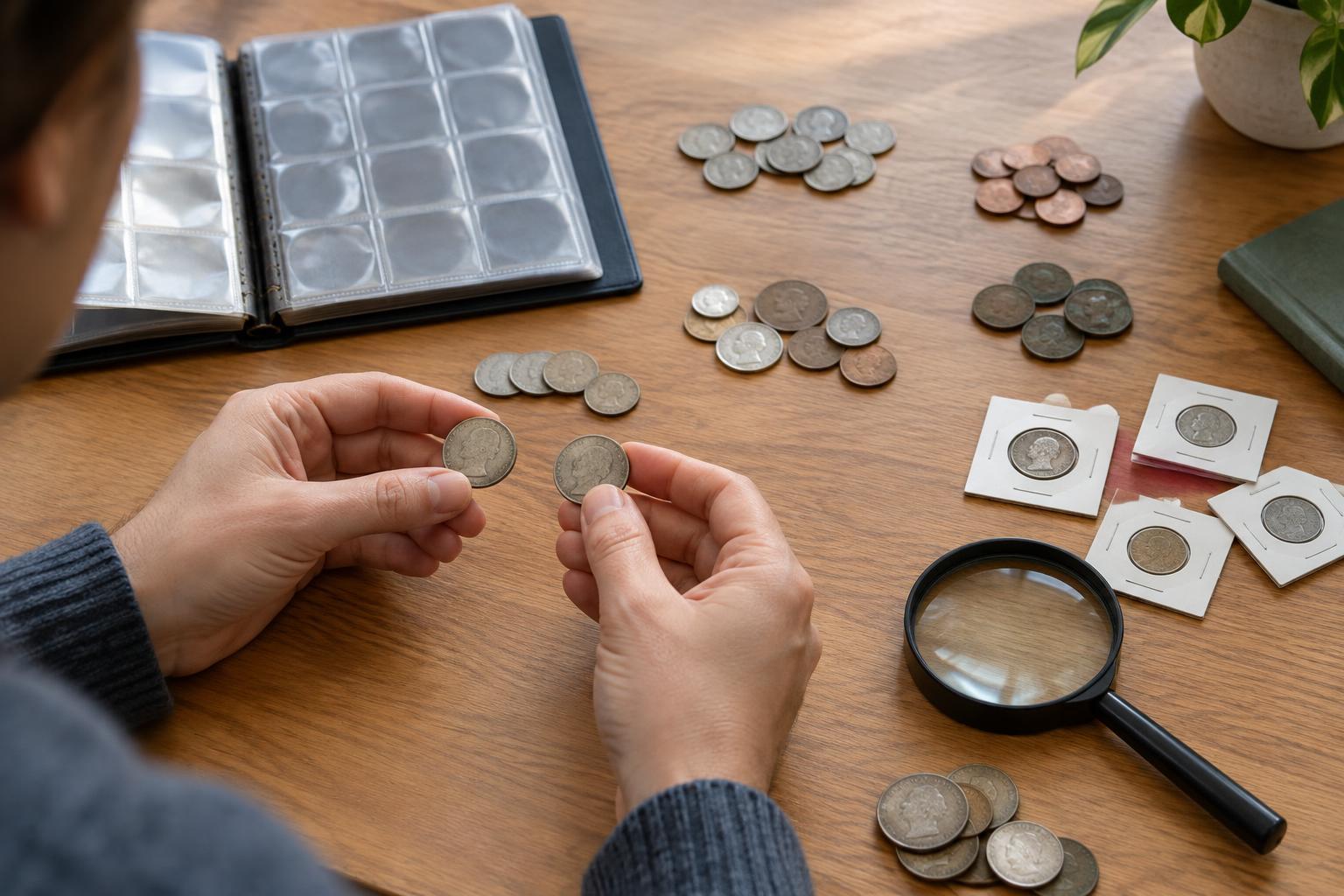
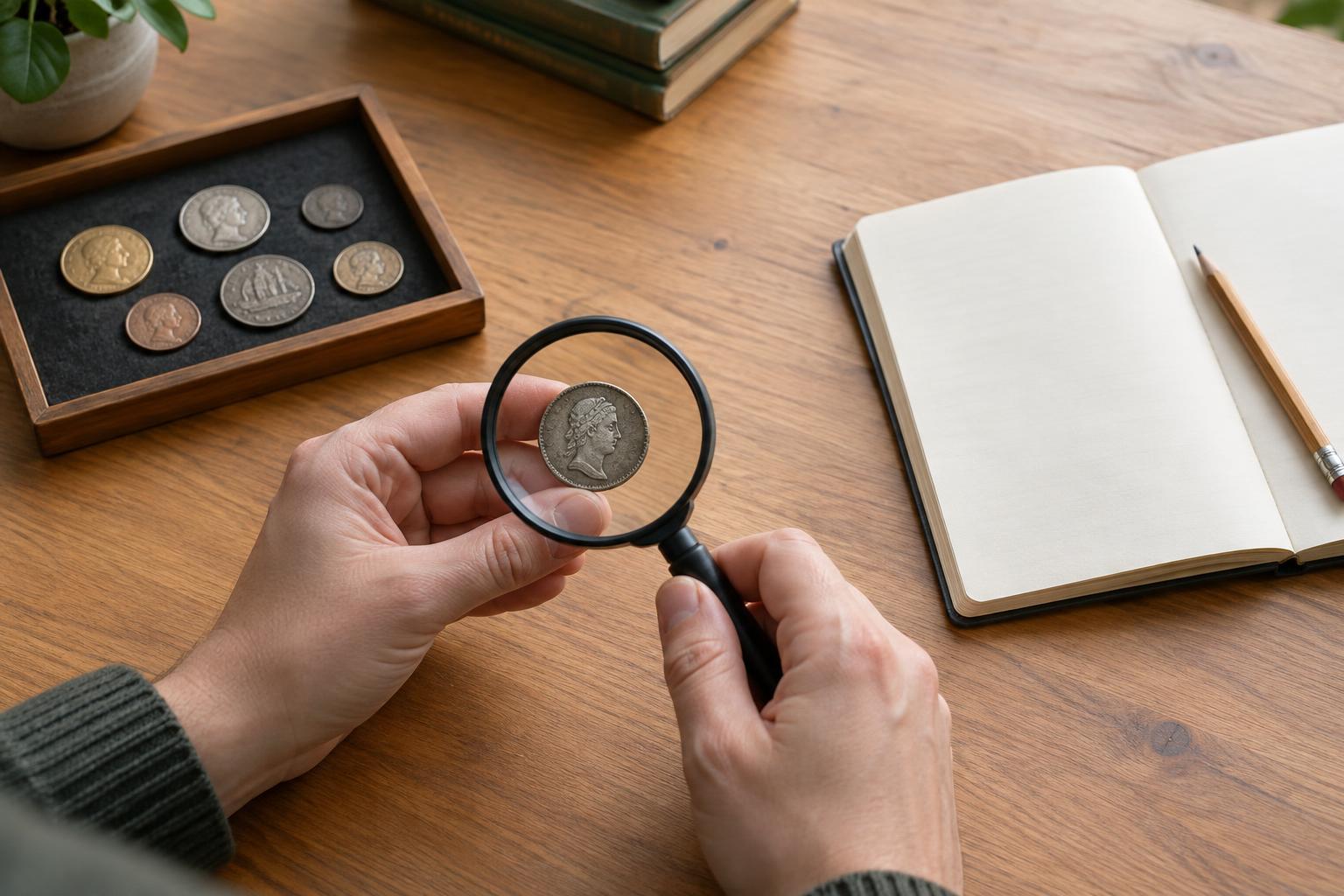
Before committing, ask what the coin is, why you want it and what you know about its condition. Check the date, mintmark if present, denomination and any variety named in the description. Compare the photographs with the written listing and look for clear views of both sides. Wear, scratches, cleaning and other surface changes may matter to you even when a coin still looks attractive. If an important detail cannot be seen or explained, ask for clarification or pass.
Also consider what information supports the seller’s description. A grade is an assessment of condition, not a guarantee that everyone will agree with it. For a costlier purchase, you may want to understand who assigned the grade and whether the coin has been authenticated. Read the return terms before paying, especially when buying from photographs. The aim is not to remove every uncertainty; it is to know which uncertainties you are choosing to accept.
Make room for a cooling-off period
Urgency can crowd out careful thought. If a coin was not on your want list, save its details and revisit them after a pause rather than deciding at once. During that time, ask whether you would still want the coin without the striking photo, the persuasive description or the feeling that someone else might get it first. A pause is especially useful when you are tired, excited by a new series or trying to make up for a coin you missed.
Some opportunities will disappear while you think. That can be disappointing, but it does not mean pausing was a mistake. A collection is built through many choices, not one transaction. If you still want the coin after considering its fit, condition and total cost, the purchase is more likely to feel deliberate.
Learn from what you buy and what you leave behind
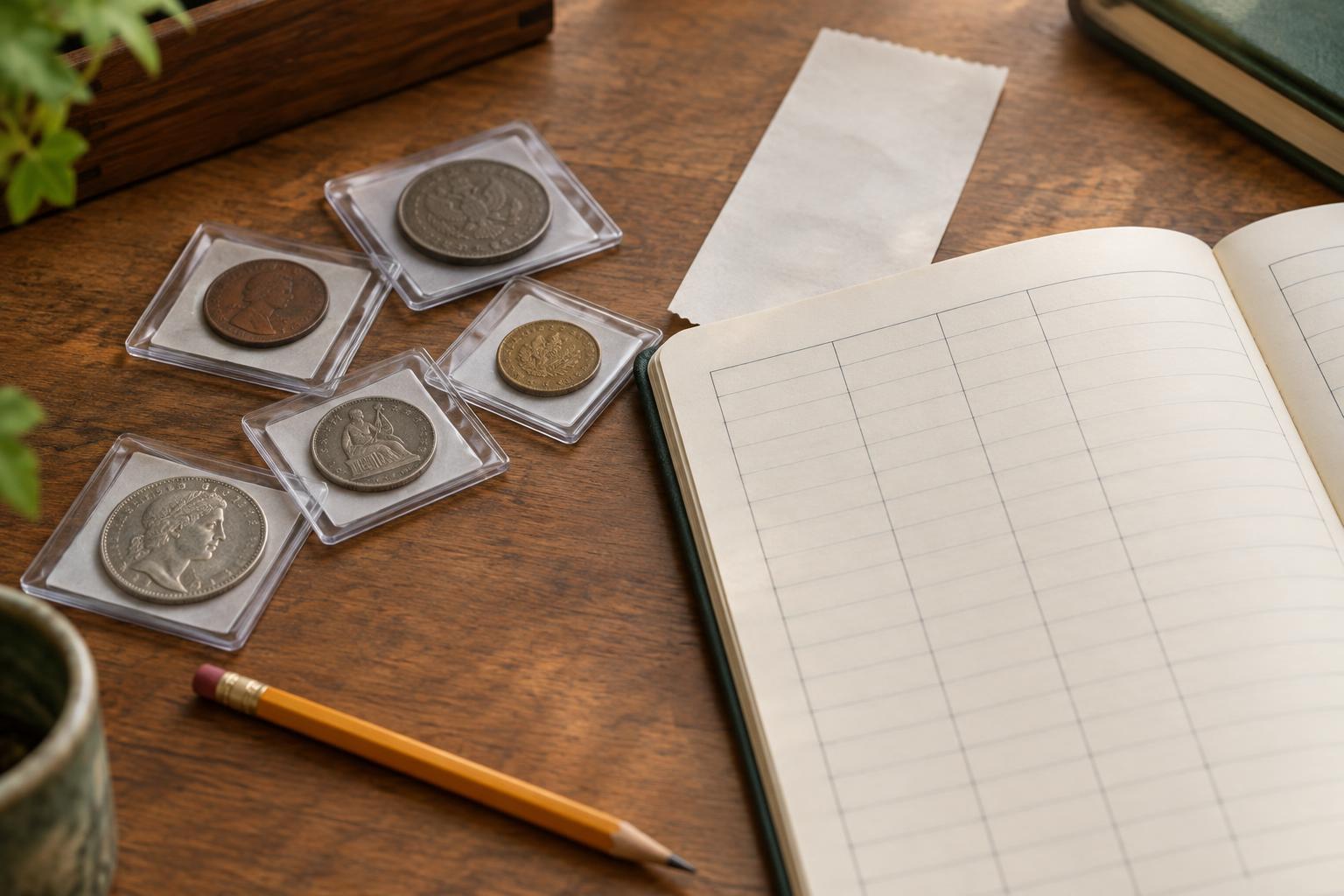
Keep a brief record of each purchase: what drew you to the coin, what you paid in total, any questions you had and where it fits in your collection. After a few months, look back at which coins you most enjoy studying. You may find that an inexpensive, well-chosen example holds your attention longer than a spontaneous purchase with a higher price.
Record coins you decided not to buy, too. If you repeatedly pass on pieces outside your focus, your plan is working. If the same kind of coin keeps catching your interest, it may be time to revise that plan. Avoiding impulse purchases does not mean avoiding surprises; it means giving a new interest enough thought to become a choice rather than a reaction.