Choose a theme before you leave
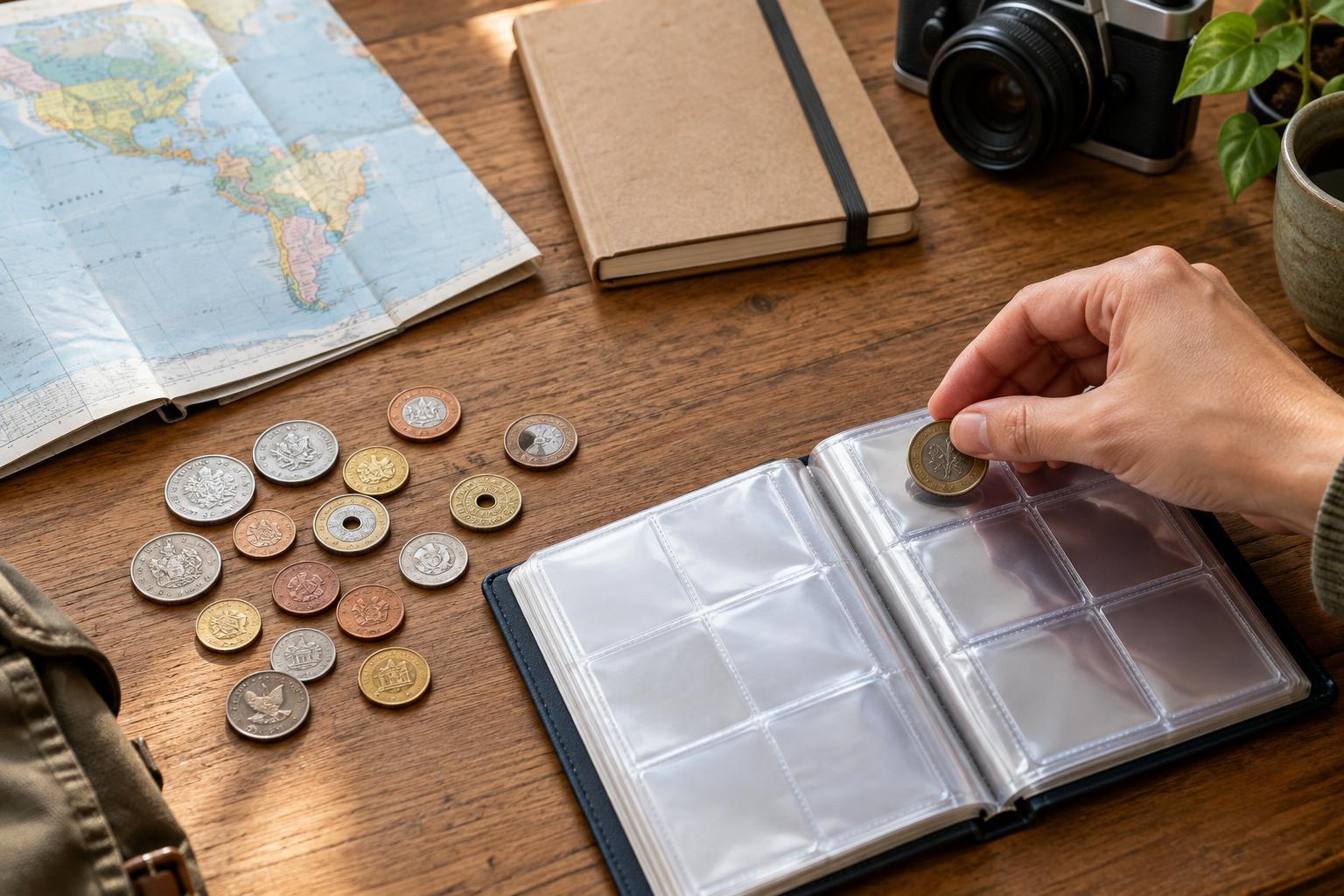
A travel coin collection does not need to contain every denomination from every destination. Begin with a goal you can remember while moving through an airport, market, or train station. You might save one coin you received in change from each country, assemble a set of denominations from a single trip, or look for designs featuring local plants, buildings, or historical figures. A modest theme gives the collection shape without turning the journey into a hunt.
Decide what counts as a travel coin for your collection. Is it a coin you personally handled during the trip, one a companion gave you, or any coin issued by a country you visited? There is no universal rule, but writing down yours will make later additions easier to understand. If several destinations use the same currency, you can still organize those coins by where you found them. The place of discovery and the place of issue may be different parts of the story.
Find coins in the course of ordinary travel
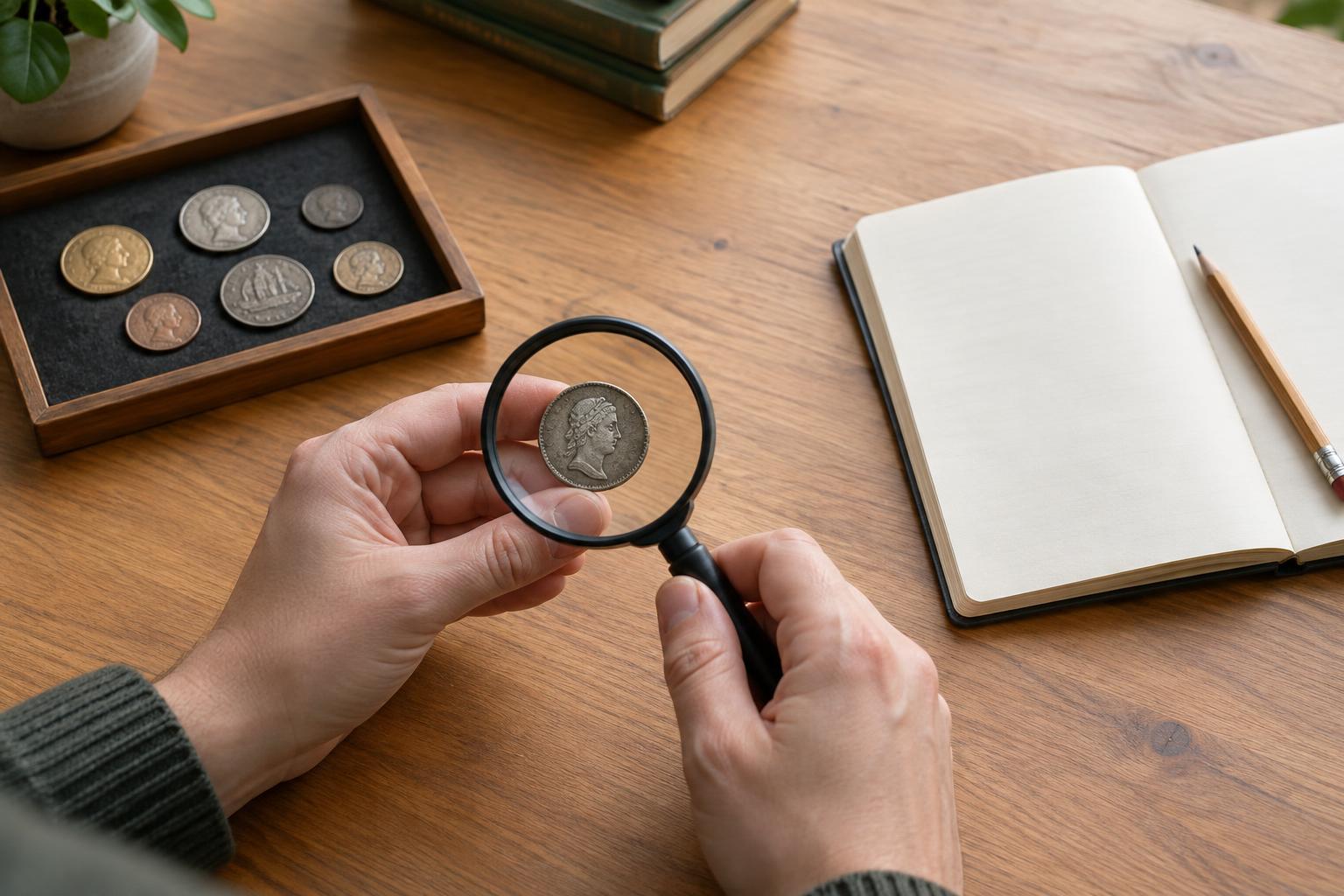
Everyday change is a good starting point because it connects a coin to a specific moment. Before spending your last handful of coins, set aside examples that catch your eye. Look at both sides under good light: a familiar value may have a different date, design, or mint mark from another coin in your pocket. You do not have to identify every detail on the spot. A quick note about where you received it can be more useful than a rushed guess.
If you want a particular denomination, ask at an appropriate place whether it is available as change rather than assuming someone can exchange coins for you. Keep the request small and accept a refusal graciously. Souvenir and commemorative coins can also be enjoyable additions, but decide whether they fit your theme before buying. Read the stated denomination and issuer carefully: a token made for visitors may be an appealing keepsake without being circulating money.
Give each coin a story you can find later
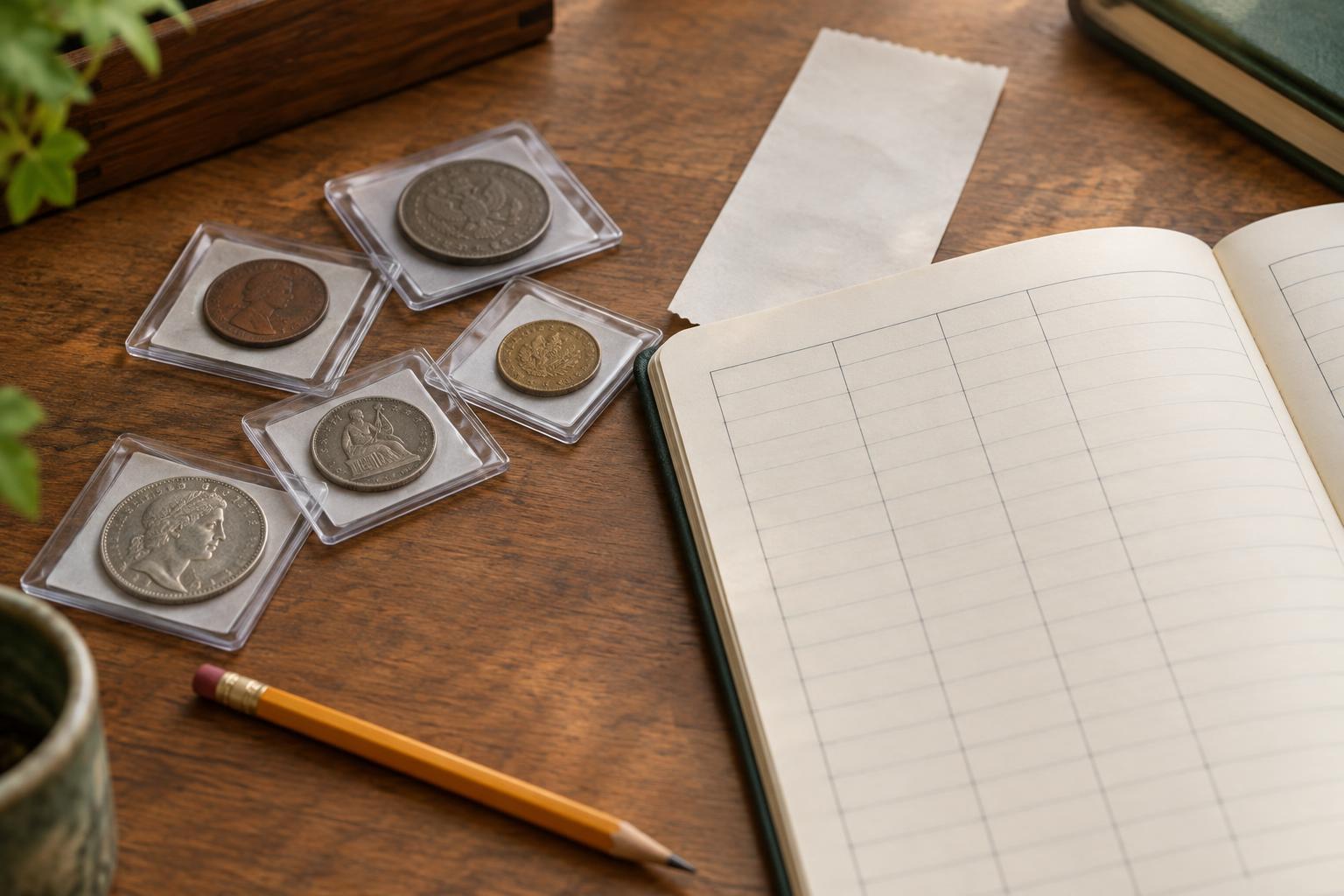
A coin’s date and design tell only part of its story. When you add a piece to your collection, record the country or issuing authority shown on it, its denomination, its date if visible, and where and when you obtained it. Add a brief travel memory if you have one: “change from a bakery near the station” will mean more to you years later than an unlabeled coin in a drawer. If you are unsure what an inscription means, mark it as unidentified until you can check.
You can keep these notes in a notebook, spreadsheet, or simple index of envelopes. Give each coin an entry number and put that number on its holder, not on the coin. Photographing both sides can help you review designs without repeatedly handling the pieces. Leave room to correct an identification; countries can change coin designs, and coins may continue circulating well after the date stamped on them.
Handle and store your finds gently
Travel coins often arrive worn or dirty. That wear can be part of their history, so avoid polishing or cleaning them just to make them shine. Cleaning may leave scratches or change the surface in ways you cannot undo. Hold a coin by its edges when practical, and make sure it is dry before putting it away. Until you can sort your finds at home, a small rigid container or separate paper envelopes can protect them from being lost at the bottom of a bag.
For longer-term storage, choose holders intended for coins, such as suitable flips, capsules, or albums. Avoid uncertain soft plastics that may damage surfaces over time, and keep the collection away from dampness and large temperature changes. Label holders with your entry numbers and travel notes. If you collected several coins together, separate them enough that their surfaces do not rub against one another whenever you open the album.
Keep the collection personal and manageable
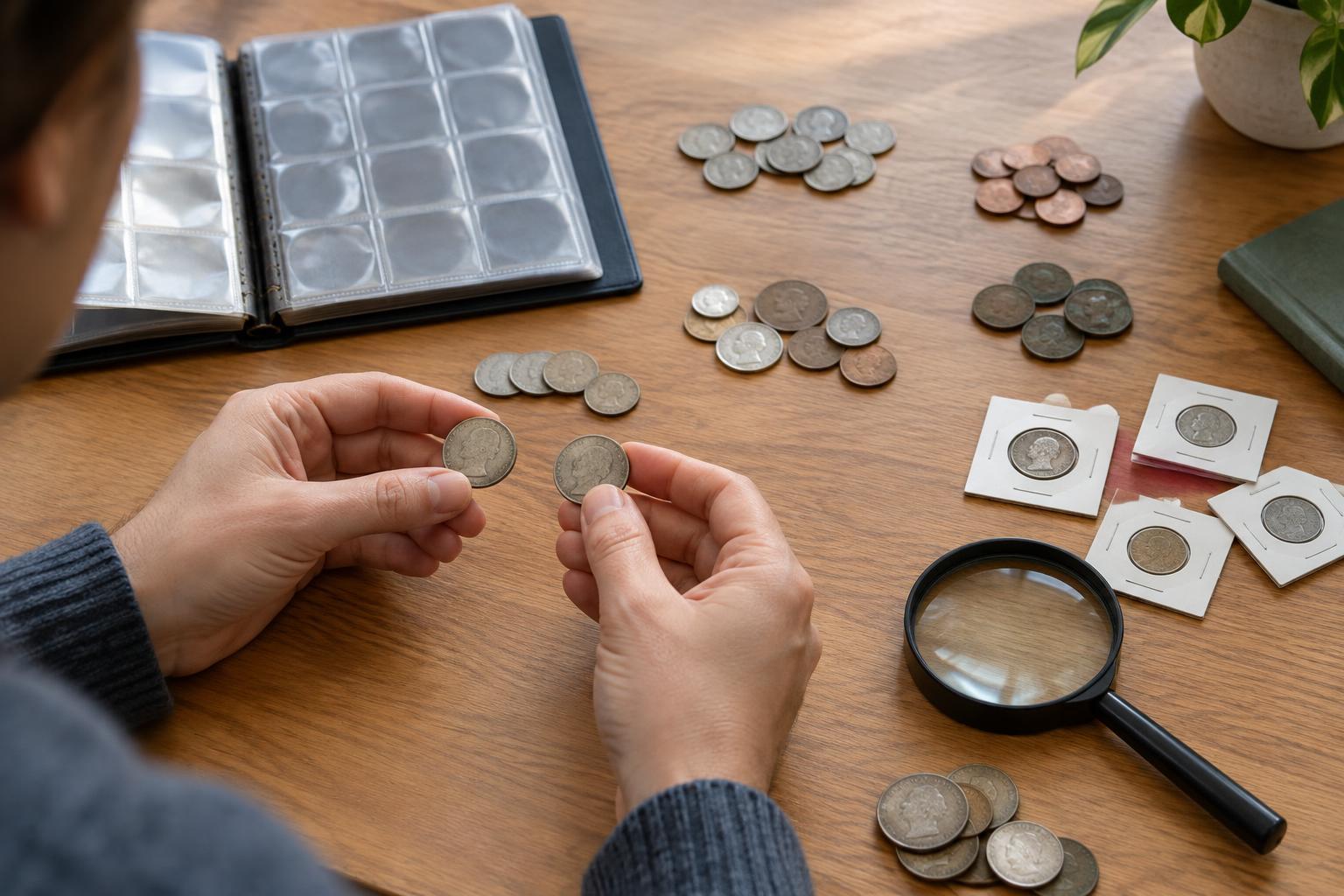
Not every trip will yield a remarkable coin, and that is fine. A common piece with a clear memory attached may be more satisfying than a scarce-looking one you know little about. When you return, sort the coins using your chosen theme and notice what you are missing. You might choose a single representative from each trip, keep duplicates for comparison, or share extra common coins with another collector. There is no need to complete a set if the process stops being enjoyable.
Be thoughtful about where coins come from. Ordinary change and clearly described purchases are easier to document than objects with uncertain origins. If you plan to acquire older coins abroad or take coins across a border, check the applicable rules before you travel; restrictions can depend on the place and the object. A travel collection works best when its purpose is clear: preserving the designs you encountered and the memories you made while finding them.