Decide What Counts as a Duplicate
Finding a second coin of the same type can feel like a dead end, but “duplicate” depends on how you collect. Two coins with the same design may have different dates, mint marks, finishes, or varieties. Even two coins with identical catalog details may differ enough in wear, color, or strike to serve different purposes in a collection. Before setting one aside, check the features that matter to your collecting goal.
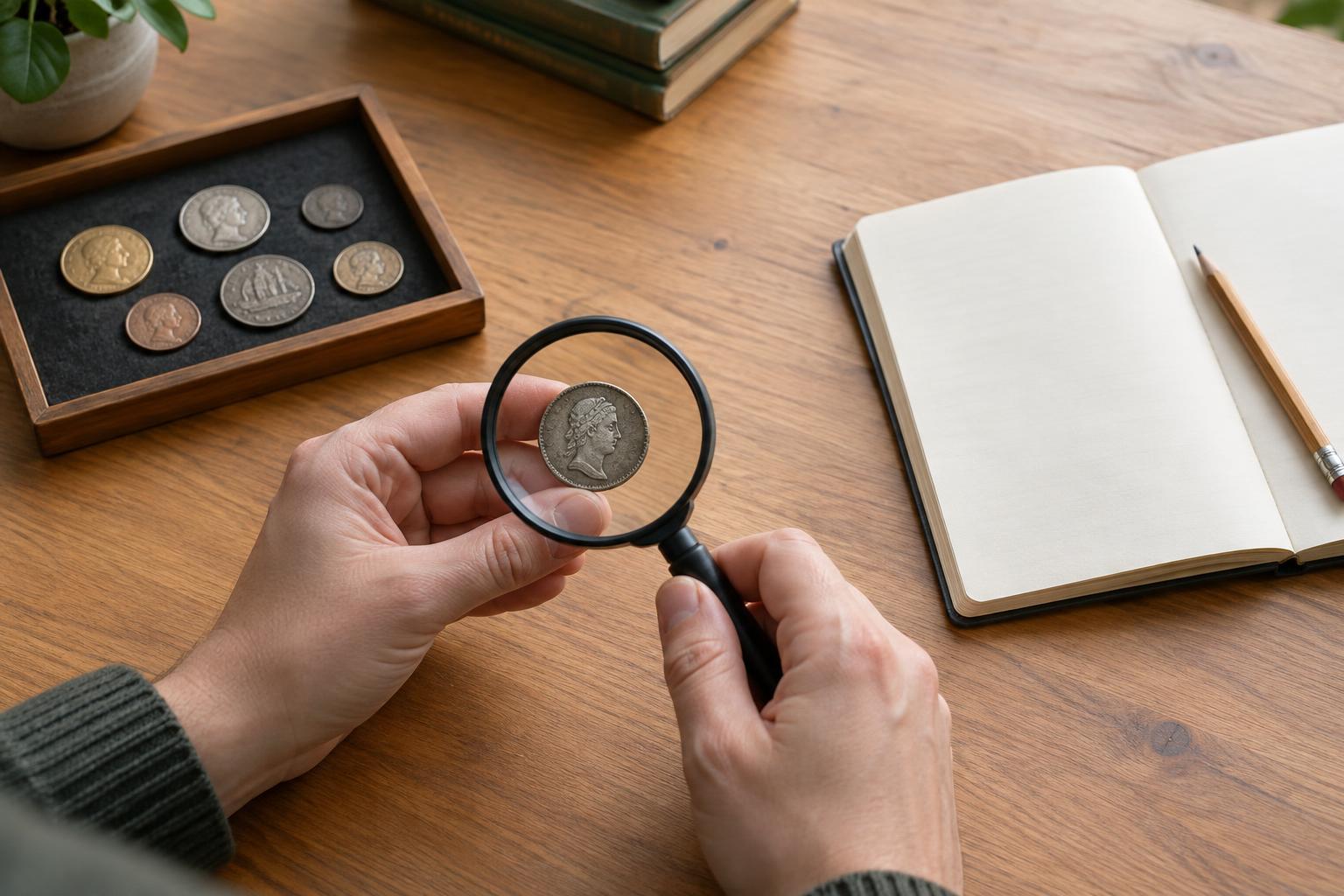
Start with a simple sorting area and good light. Compare the coins’ dates and mint marks, then look for differences in design details and overall condition. A magnifier can help, but avoid turning every tiny mark into a supposed rarity. If you cannot confidently identify a variety, label the coin as one to examine later rather than assigning it a special status. Keep coins over a soft surface and handle them by the edges when practical.
Choose a Keeper With a Clear Standard
If you need only one example for an album or set, decide what makes an example worth keeping. For many collectors, the better coin is the one with clearer details and fewer distracting scratches, spots, or signs of damage. Others may prefer a coin with an appealing, even appearance over a sharper example with an unattractive mark. The choice is personal, but using the same standard across a set makes decisions easier.
Compare like with like. A coin that looks shinier is not necessarily better: cleaning can alter a surface and remove details of its history. Do not clean a coin to make it match the rest of your collection. If both examples have strengths, you need not choose immediately. A second coin might be a useful placeholder for another set, a reference for comparing wear, or a backup while you learn more about the type.
Make Extras Part of the Learning Process
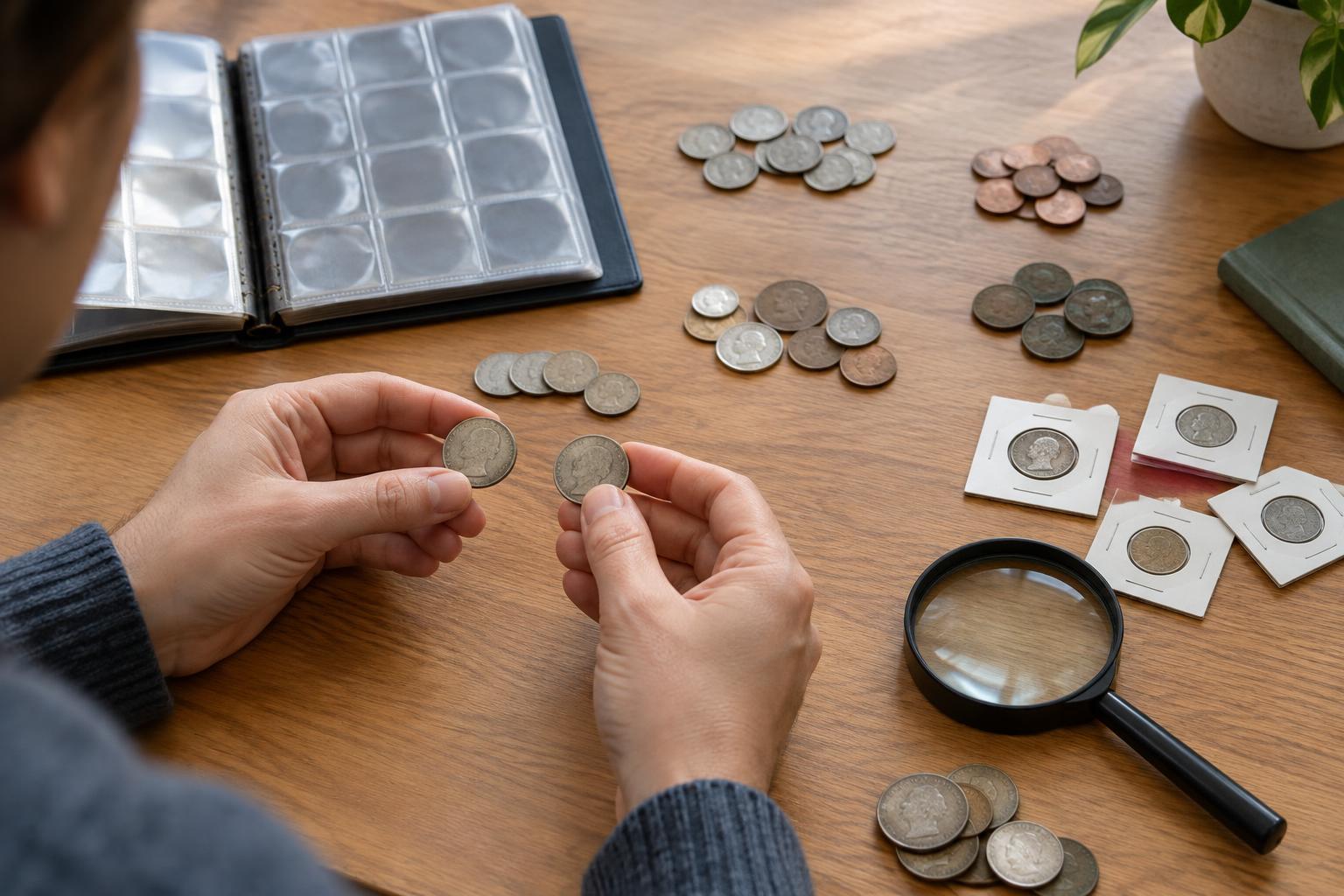
Duplicates offer a low-pressure way to study coins you already know. Place two examples side by side and compare high points of the design, the sharpness of lettering, and the appearance of the fields—the flatter areas around the design. Differences become easier to notice when the coins share a date or type. You can also use extra circulated coins to practice identifying mint marks or reading inscriptions without repeatedly handling a favorite example.
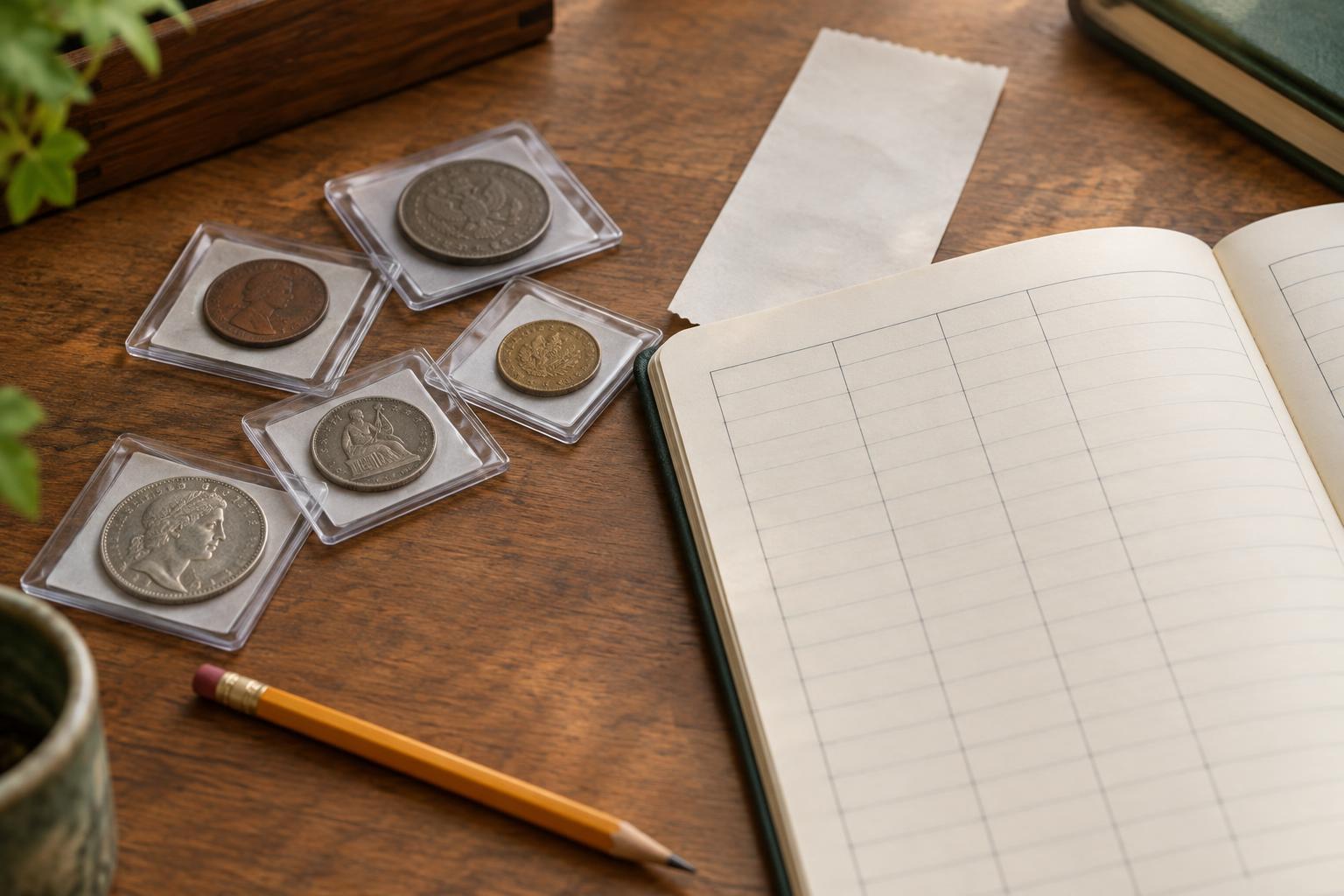
Keep a brief note about why each extra remains in your collection. “Stronger reverse detail” or “example with heavy wear” is more helpful than simply writing “duplicate.” If you have many, sort them into a labeled group instead of letting them accumulate loose in a jar. Suitable holders or envelopes help prevent coins from rubbing against one another; check that any materials you use are intended for coin storage.
Trade or Share Coins You Do Not Need
An extra coin may fill a gap for someone else. Trading with another collector can be especially satisfying when both people are building similar sets. Describe each coin accurately, including visible wear or damage, and agree on the exact coins being exchanged before making a trade. Clear photographs and a shared understanding of the coin’s identification can prevent disappointment. If a trade involves shipping, pack the coins so they cannot slide against each other in transit.
Giving duplicates away is another option. A small group of common coins can help a new collector practice sorting by date, country, or design. Clubs and educational groups may welcome suitable material, though it is best to ask what they can use before bringing a large quantity. Sharing coins need not mean giving away your best example; a clearly identified, ordinary coin can still spark curiosity.
Handle the Remaining Pile Deliberately
Some duplicates will not suit your collection, a trade, or a gift. You might sell them, exchange them where appropriate, or retain a small reserve for future projects. Before selling, identify the coins carefully and describe their condition without assuming that age or an unusual appearance makes them valuable. Prices vary with demand, condition, and identification, and a coin’s asking price is not proof of what it will sell for.
Give the pile a final review before it leaves your hands. Separate coins you have not identified from those you are comfortable moving on, and check holders or notes so you do not part with an example you meant to keep. A short inventory entry recording what you retained and why can save you from sorting the same coins again. The aim is not to eliminate every duplicate; it is to give each one a purpose, or make room for coins that better fit your collection.