A coin can have a history without a printed date
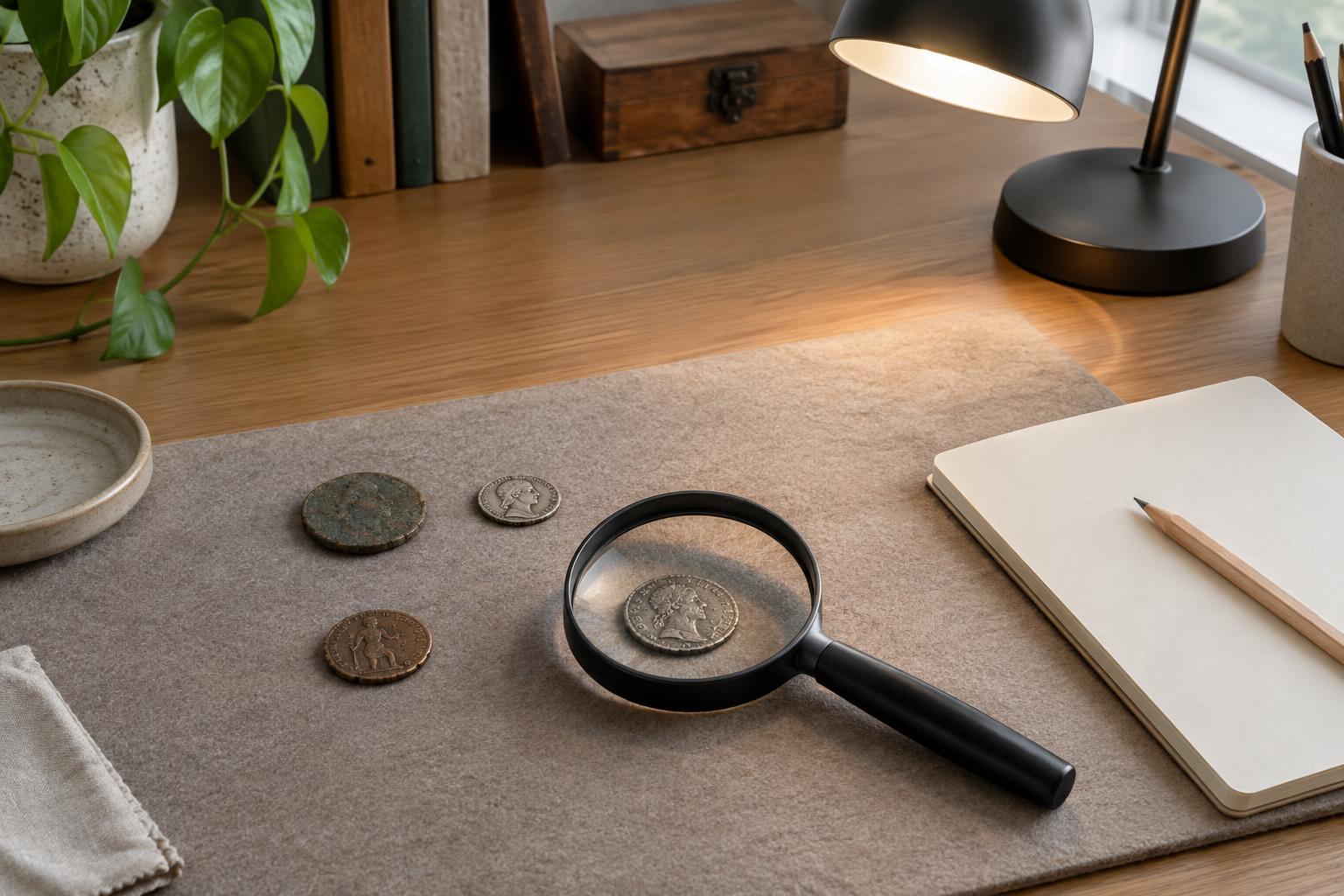
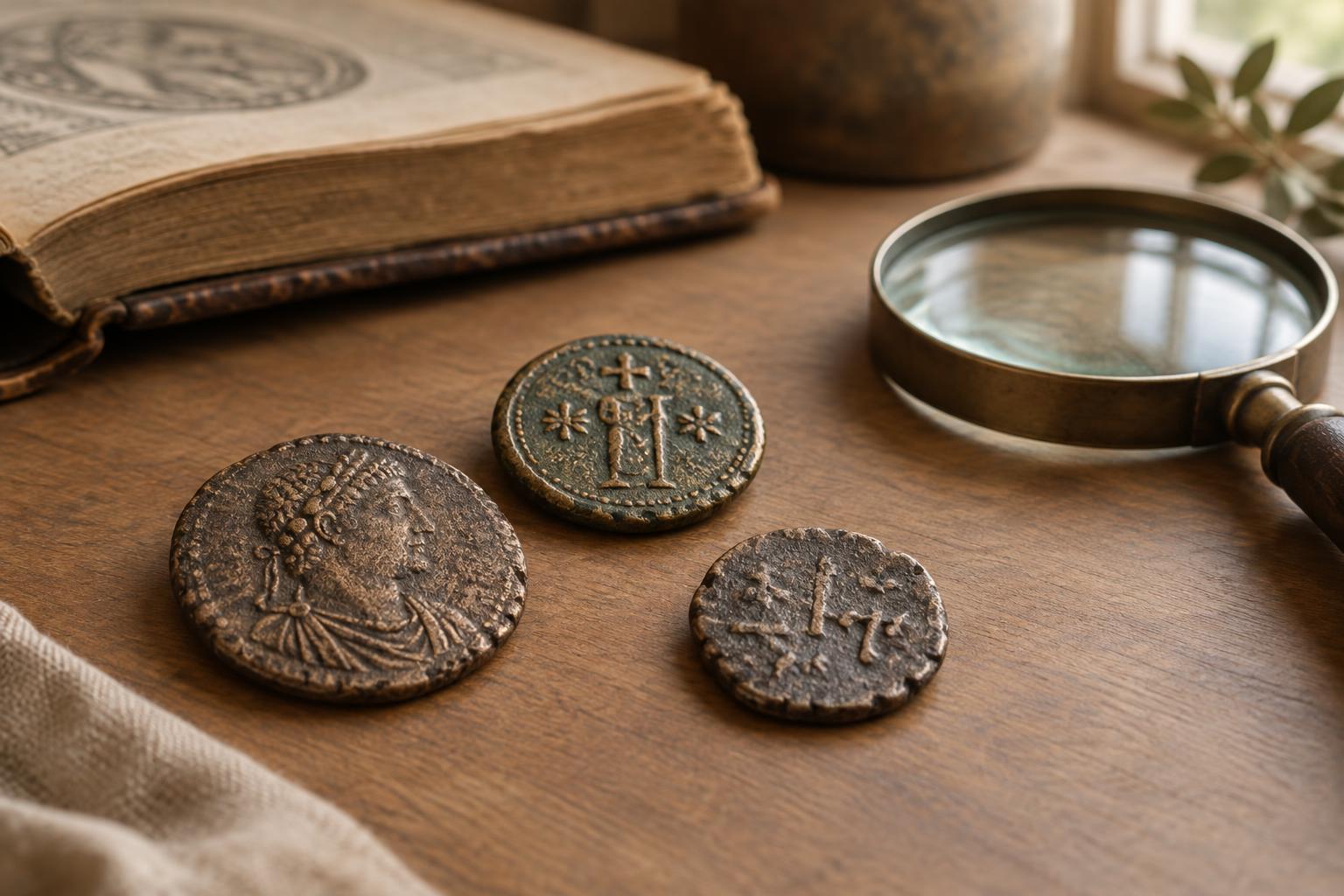
Modern collectors often turn a coin over looking for a year. On many older coins, there is none. That does not necessarily mean the people who made it cared little about time. A coin’s ruler, issuing city, design or mint mark could identify its authority without stating the year of production.
For historians and collectors, an undated coin can still be placed within a useful time range. A ruler’s name may limit the possibilities to a reign; a particular portrait or inscription may narrow them further. Coins found together can also help establish a sequence. These clues do not always reveal a single year, however. When a reference assigns a date range to a coin, it is worth preserving that range rather than treating its first year as a date stamped at the mint.
This distinction matters when cataloguing. “Made around this time” and “bears this date” are different descriptions. Recording exactly what appears on the coin gives you a firmer starting point than copying a date from a label without noting how it was determined.
Rulers could provide a way to count years
Some coin inscriptions identify a ruler and number a year of that ruler’s reign. A coin marked as a fifth regnal year, for example, is counting within a reign rather than from a calendar era familiar to everyone today. Translating that number into a calendar year requires knowing when the reign began and how the issuing authority counted its years. A change of ruler could restart the count.
Other coins supply clues that are less direct. Roman imperial inscriptions may list offices and titles held by an emperor. Certain offices were renewed periodically, so their numbered appearances can help specialists narrow a coin’s date. Reading one of these numbers as though it were a modern year would give the wrong impression; it belongs to a system of titles, not a printed calendar date.
The ruler’s portrait alone is seldom enough for a precise date. Portrait styles can change, and an issuing authority may produce coins with similar designs over an extended period. Comparing the full inscription, design and denomination is more reliable than relying on one recognizable face.
A written year depends on its calendar
Even when a coin plainly bears a year, the number may not refer to the calendar used by its present-day owner. Coins have been dated according to different eras, including years counted from an event recognized within the issuing society. Islamic coins, for instance, may carry a year of the Hijri era. That year should be identified as such before anyone tries to express it in a different calendar.
Calendars can differ in more than their starting point. The Hijri calendar is lunar, so matching a Hijri year to a year in the commonly used Gregorian calendar is not always a simple matter of adding a fixed number. A careful catalogue may give both the date as written on the coin and an approximate equivalent, making clear which is which.
Numerals add another challenge. A date may use characters or numeral forms unfamiliar to a beginner, and wear can make one mark look like another. Before deciding what a date says, identify the coin’s likely language and issuing tradition. If a digit remains uncertain, record that uncertainty instead of filling in the most tempting answer.
Build a date record you can check later
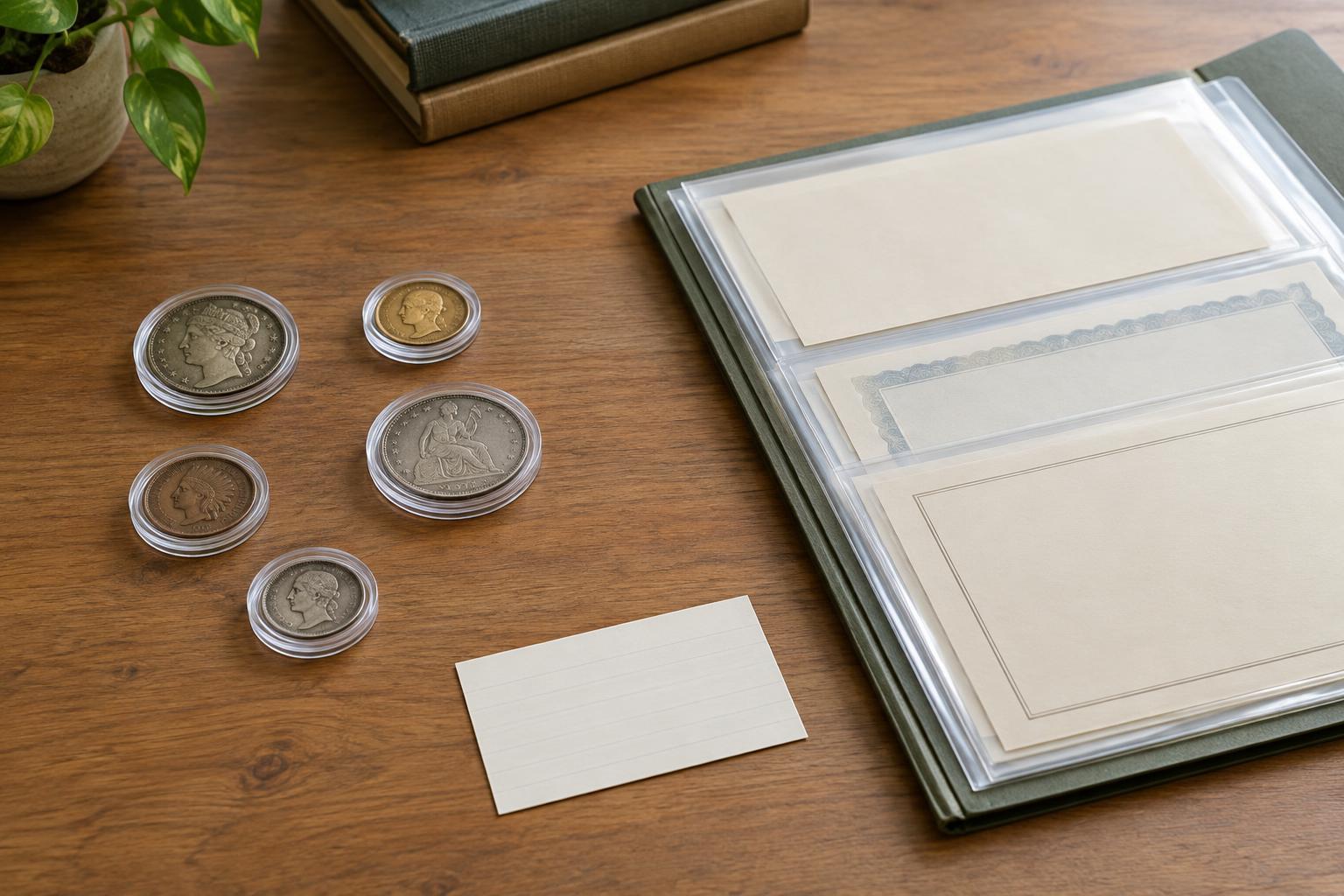
A useful collection record separates observation from interpretation. First, transcribe the visible date or date-related inscription as best you can. Next, note the system you think it uses: a calendar era, a regnal year or a numbered title, for example. Finally, add any converted date or estimated range, along with a brief explanation of how you reached it.
If part of the inscription is missing, describe what remains. “Year ending in 4; first digit unclear” is more useful than an unsupported exact year. Photographing both sides of the coin and noting its edge, weight and diameter can also help you distinguish it from similar issues when you compare it with a reference later. Avoid cleaning a coin to make a faint date easier to read; cleaning can alter its surface without resolving the uncertainty.
Learning to date historical coins is less about memorizing one conversion rule than asking what the marks meant to the people who issued them. Once you recognize whether a coin names a ruler, counts a reign or uses a calendar era, its date becomes part of a larger historical story—even if the exact year remains unknown.