Choose a theme small enough to explore
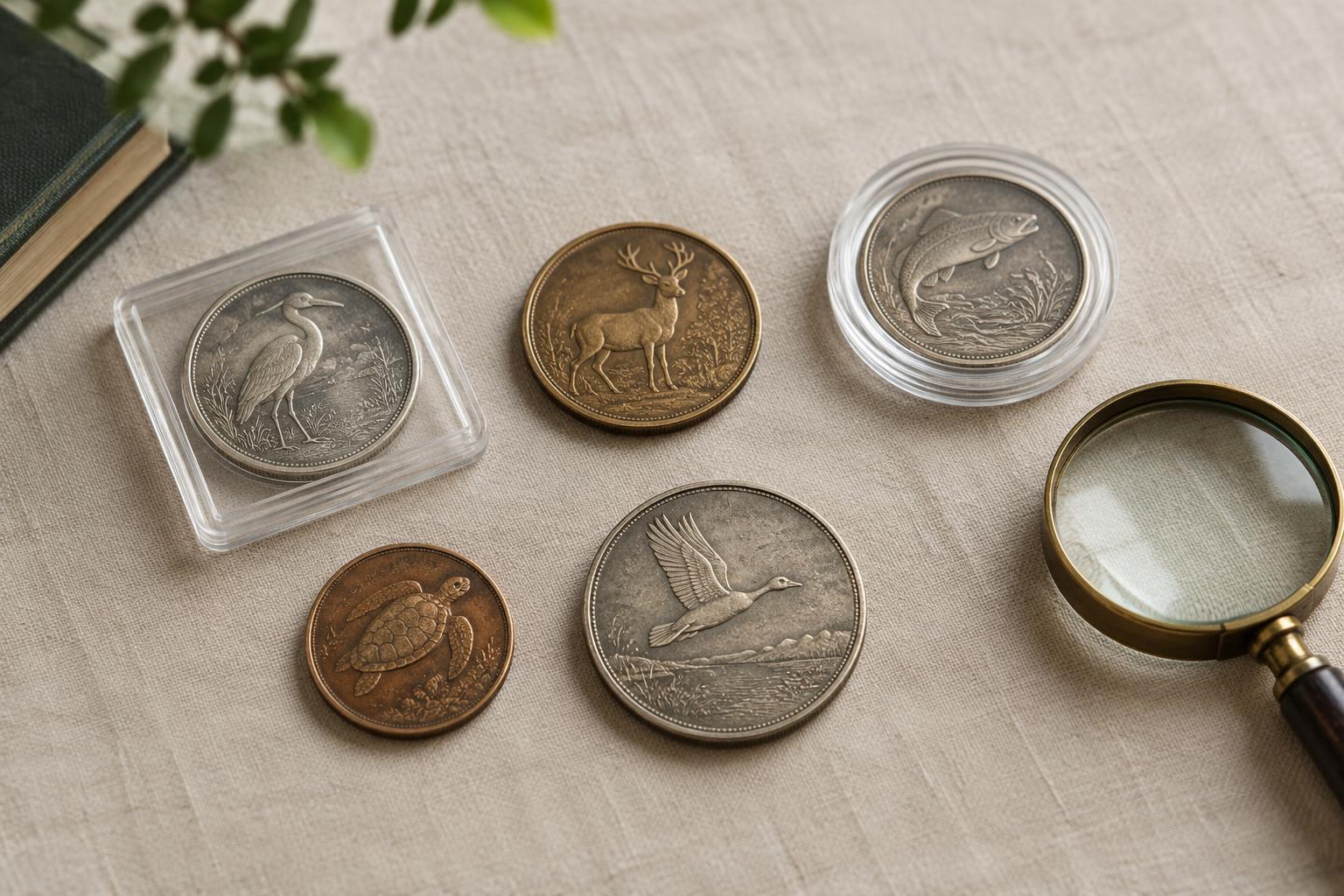
An animal-themed collection can start with a coin you already own. A bird, fish, horse, or other creature might have caught your attention, but “coins with animals” is a broad collecting goal. Narrowing it gives you a better way to decide what belongs in your collection and what can wait.
You could collect one animal, such as owls, or choose a group, such as sea life. Another approach is to focus on animal designs from one country, a particular period, or coins intended for everyday circulation. Write down your rule in one sentence. It need not be permanent; its purpose is to help you make consistent choices while you learn.
Decide what counts as an animal design
Before looking for additions, settle a few questions about your theme. Does a tiny animal in a coat of arms count, or must it be the main design? Will you include mythical creatures? What about a coin that depicts a person with an animal nearby? There is no universal rule for a personal collection, but a clear rule makes browsing more satisfying.
Leave room for an occasional exception that matters to you. You might keep an appealing coin outside the main set in a separate group rather than changing the theme to accommodate every find. This distinction lets you enjoy unexpected designs without turning a focused project into an assortment with no clear direction.
Identify coins before adding them
A coin’s animal is only part of its identity. Check both sides for the issuing country or authority, denomination, date, and any mintmark. In numismatic descriptions, the obverse is commonly treated as the front and the reverse as the back, although which side receives each name can depend on the coin. Recording what you actually see is more useful than guessing from the picture alone.
Look closely at designs that seem similar. A country may use an animal on more than one denomination, or change the surrounding lettering while keeping a familiar central image. If you cannot yet identify a coin confidently, set it aside as a question rather than forcing it into your checklist. The identification process can become part of the pleasure of collecting.
Build a set with variety, not just quantity
A checklist helps you notice gaps, but it does not have to become a demand to own every possible example. You might aim for several ways artists have depicted the same animal: a detailed portrait, a simplified emblem, and an animal shown in its habitat. Comparing designs gives each coin a reason to be in the collection beyond filling another space.
Decide which condition range suits your project. A circulated coin may show wear yet retain a recognizable design; a sharper example may reveal details you want to study. Examine photographs or the coin itself for wear, marks, and signs of damage, and be cautious about paying more solely because a description sounds impressive. Prices can vary with condition, availability, and demand, so set a comfortable limit for each addition rather than treating the theme as a race.
Keep the collection easy to revisit
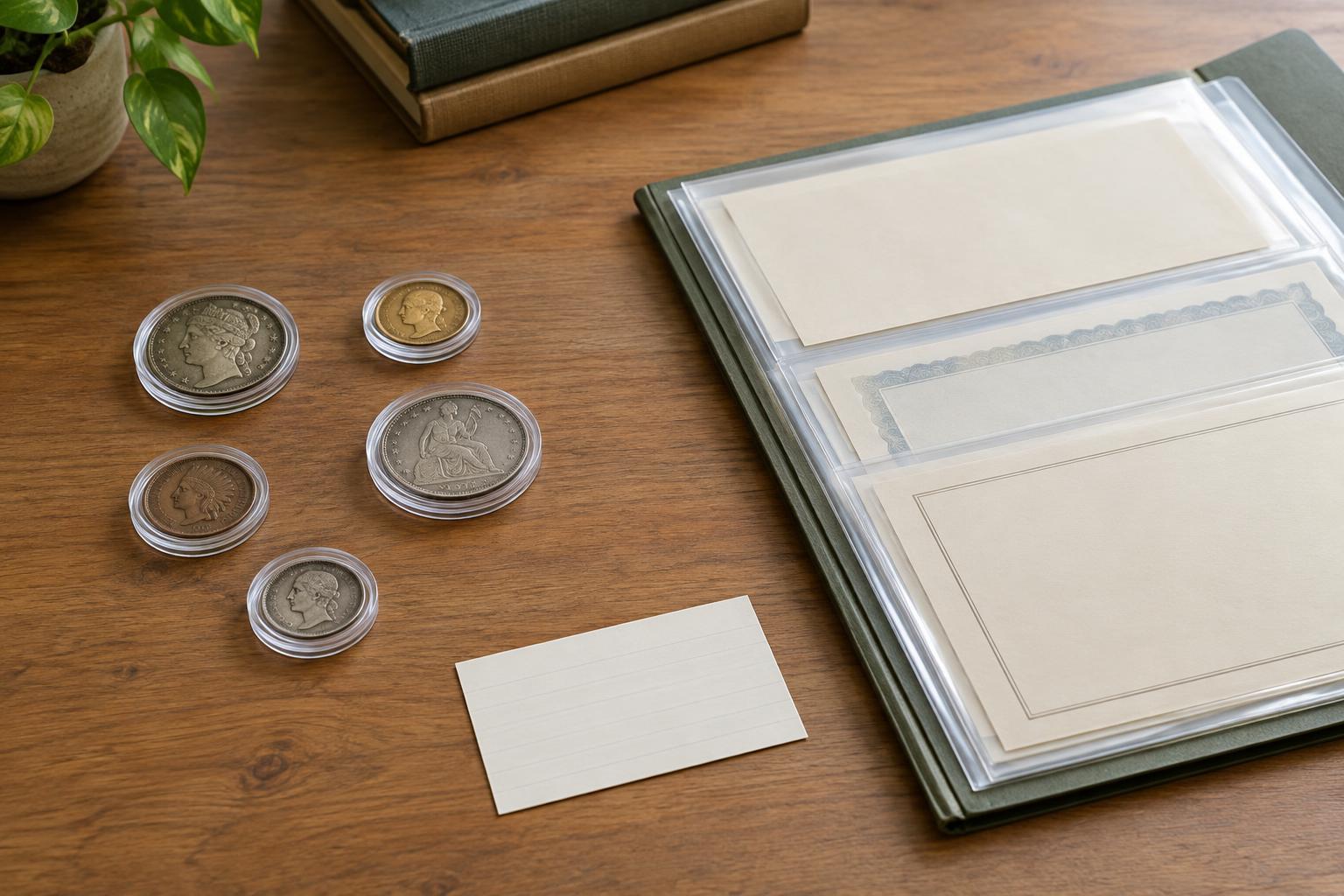
Store coins so that their surfaces are protected and their identities remain easy to check. Suitable coin holders or albums can keep pieces separated; choose materials intended for coin storage and handle coins by their edges when possible. Avoid cleaning a coin to make its animal stand out. Cleaning can alter the surface, and a worn design is still part of that coin’s history.
Give each coin a short record with its identifying details, the animal depicted, and why you chose it. If a design’s meaning is uncertain, label your interpretation as a question to investigate. Revisit your theme rule after you have assembled a small group. You may discover that you enjoy comparing artistic styles more than completing a checklist, or that one animal deserves a collection of its own. A useful theme guides your attention while leaving you free to follow it.