What a coin finish describes
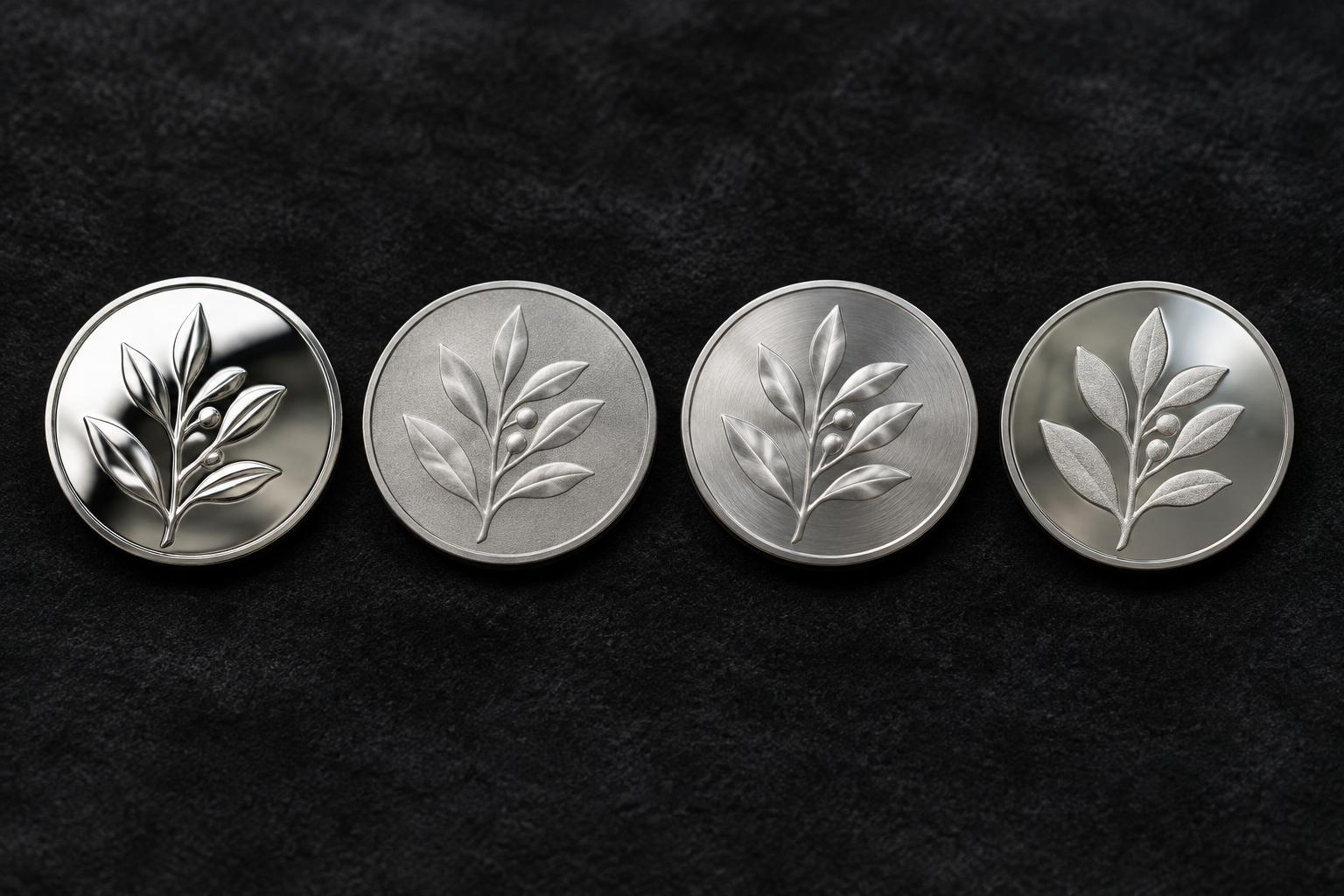
A coin’s finish is the intended appearance of its surfaces, shaped by choices made during die preparation and minting. It affects the way light moves across the design and the flat background, called the field. Terms such as brilliant, matte, satin and frosted are useful descriptions, but they are not always rigid categories. A coin may have a brilliant field and frosted raised designs, for example.
Finish is also different from condition. A coin can leave the mint with a matte appearance and later acquire scratches or wear. A brilliant coin can become dull through handling or environmental exposure. When identifying a finish, try to separate the surface the mint intended from changes that happened afterward.
Brilliant: strong reflections and visible luster
A brilliant finish looks bright and reflective. On many uncirculated coins made for circulation, light may travel across the surface in a shifting pattern as the coin is tilted. Collectors often call this mint luster. It is not the same as a mirror: the flow of metal during striking can create a lively sheen without producing a clear reflection.
Some specially made coins have highly polished, mirrorlike fields. Those surfaces can look brilliant too, but the word “brilliant” alone does not establish how a coin was made. Likewise, a coin that looks shiny after polishing has not regained its original mint finish. Polishing may leave fine lines or alter the surface texture. Look for a consistent appearance across protected areas near lettering and design details, not brightness alone.
Matte and satin: two kinds of subdued sheen
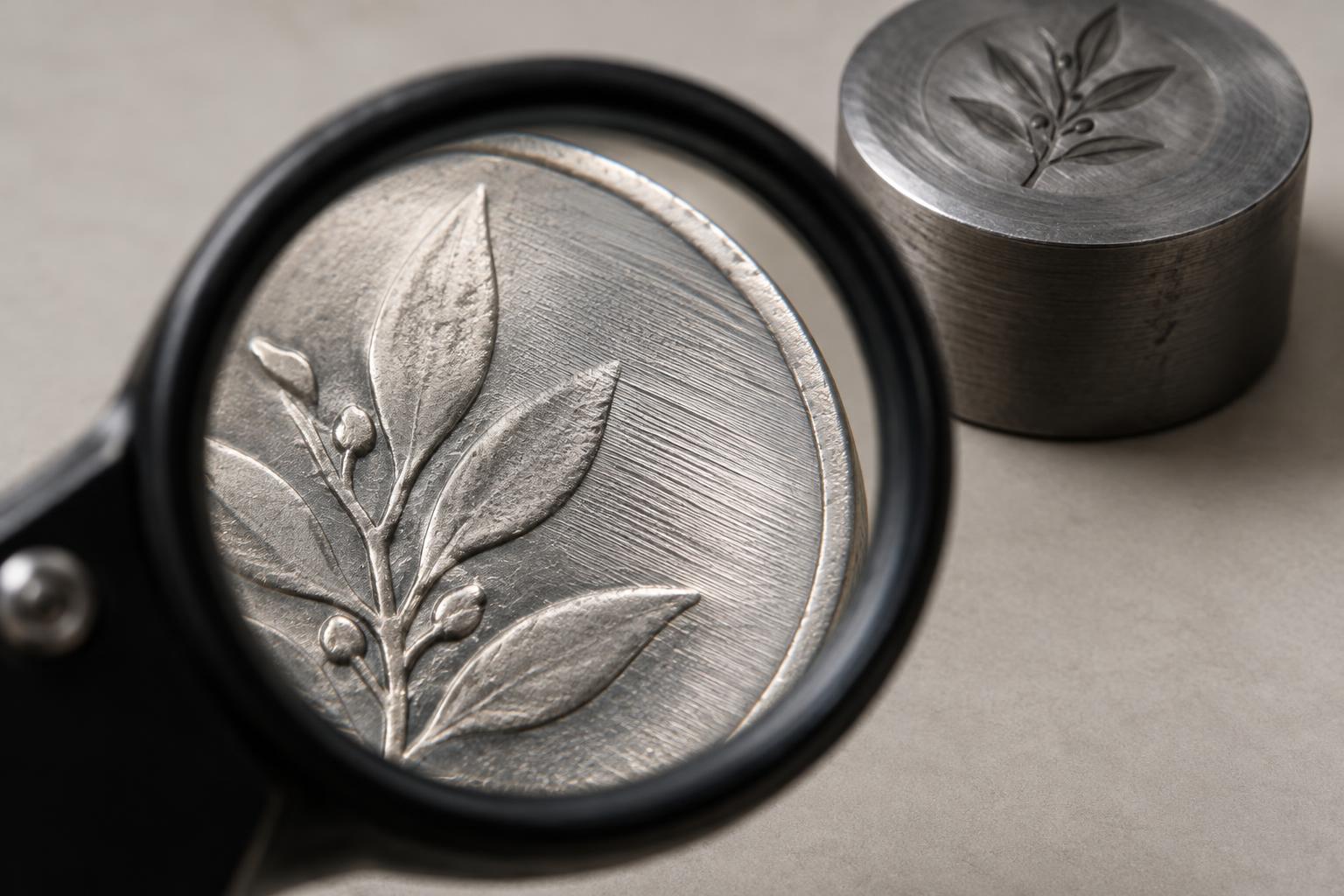
A matte finish scatters light rather than reflecting it sharply. It may appear soft, granular or almost velvety, with little obvious shine. Depending on the coin and how it was produced, this effect can come from deliberate treatment of dies or other preparation steps. Under magnification, an intended matte texture should generally look more uniform than random scratches or patches of corrosion.
Satin is also less reflective than a brilliant finish, but it usually retains a gentle, smooth glow. Imagine the visual difference between a softly shining fabric and a flat, chalky surface: satin is closer to the former, matte to the latter. In practice, the boundary can be subtle. Different mints and coin series may use these words differently, so an unfamiliar coin is best assessed alongside reliable images or descriptions of the same issue.
Neither term tells you whether a coin is rare or valuable. Matte and satin surfaces can be deliberate design choices, and their appearance can change with lighting, handling and storage. A harsh photograph may make satin look brilliant, while flat lighting may make an ordinary coin look matte.
Frosted: a soft texture, often on the design
Frosting gives a surface a pale, diffuse look, as though it holds a fine layer of frost. The term commonly describes raised design elements, such as a portrait or lettering, that contrast with more reflective fields. This contrast can make the design stand out. On some coins, collectors describe a particularly strong difference between frosted devices and mirrored fields as a cameo effect.
Frosting need not cover the entire coin. It may be applied selectively during die preparation, and its strength can vary across coins or production runs. On a worn example, high points may lose some of their original texture before protected recesses do. A pale area is not automatically intentional frosting: residue, staining and surface damage can also make metal look cloudy.
How to compare finishes safely
Hold a coin by its edge and examine it under a steady, diffuse light. Tilt it slowly. Does light sweep across the fields, form a sharp reflection, or remain broadly scattered? Then compare the fields with the raised design. A brilliant field paired with a softly textured portrait tells a different story from an evenly matte coin.
Check both sides and look near letters, the rim and other sheltered areas. Unexpected dull spots, hairline scratches or uneven color may point to later changes rather than an intended finish. If you are comparing examples, use coins of the same type and issue when possible; differences in design, metal and striking method can otherwise mislead the eye.
Keep the coin in an appropriate holder while examining it if handling would put the surface at risk. Avoid rubbing, wiping or cleaning it to make the finish easier to see. The most useful question is not simply “Is this coin shiny?” but “How was its surface meant to interact with light, and what may have changed since it was struck?”