What happens when a coin is struck?
A struck coin begins as a prepared piece of metal called a blank or planchet. It is placed between dies, the tools that carry the designs intended for each face. Force pushes the metal into the recessed parts of those designs, creating raised details on the coin. The basic idea remains recognizable across centuries; what changes is how the force is delivered and how the metal is held in place.
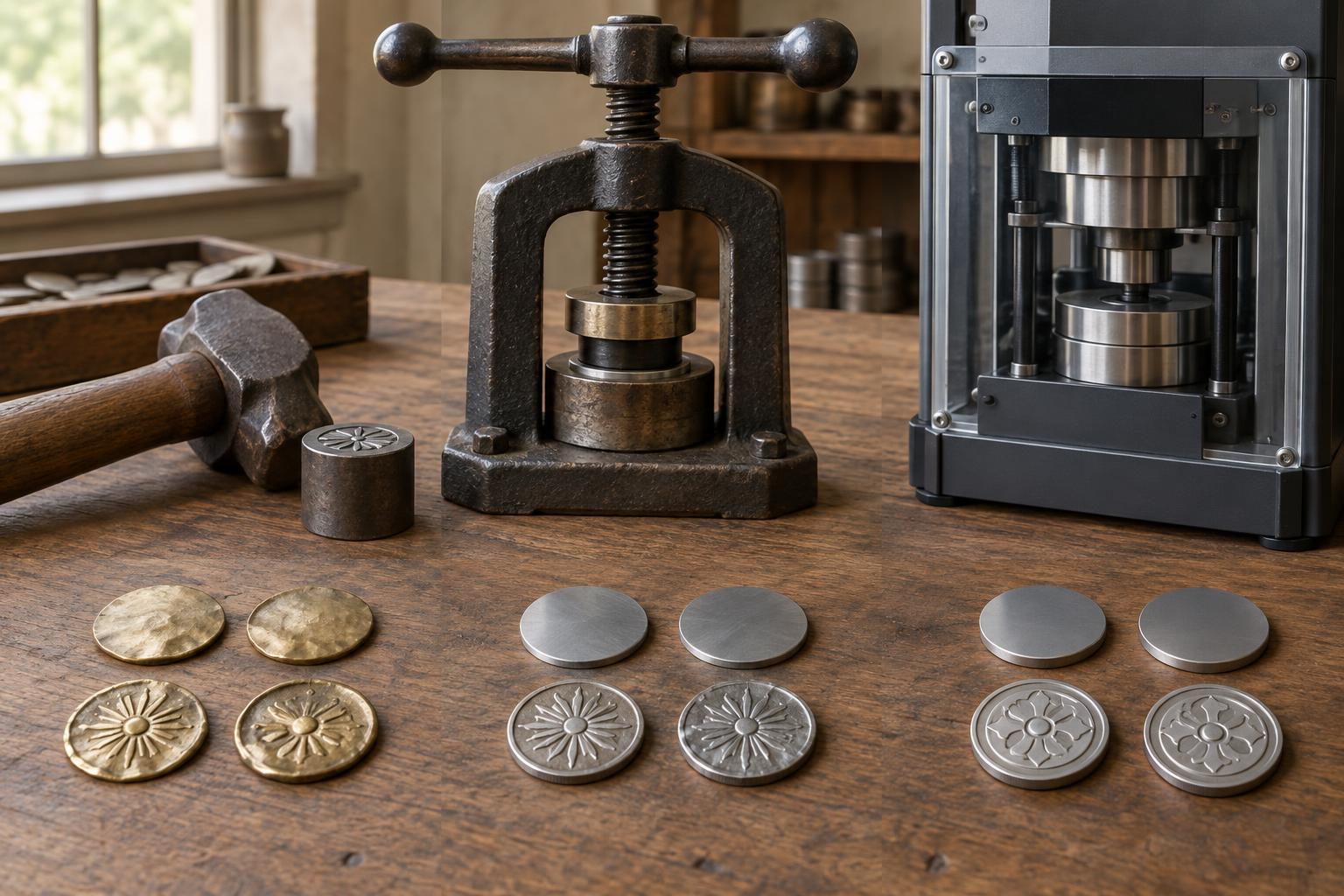
Three broad methods are useful to know: striking by hand with a hammer, striking with a screw press, and striking with a powered mechanical press. These labels describe processes, not guaranteed appearances. The design, metal, condition of the dies, preparation of the blank and care taken by workers can all affect the finished coin. A collector should use the striking method as context rather than as a shortcut for judging authenticity, rarity or value.
Hammered coinage: force delivered by hand
In a typical hammered setup, a worker placed a blank on a lower die, positioned an upper die over it and struck the upper die with a hammer. Aligning the pieces and delivering the blow were manual tasks. A coin might receive more than one blow if the first did not bring out the design sufficiently, though the exact practice varied among mints and periods.
Because placement was done by hand, a hammered coin may show an off-center design or areas that did not strike up fully. Its outline may be irregular, especially if the blank was unevenly made or later trimmed. A second blow or a shift between blows can sometimes leave doubled-looking elements. None of these features is automatic: careful work could produce a well-centered, clearly struck coin, while wear or damage can obscure evidence of how it was made.
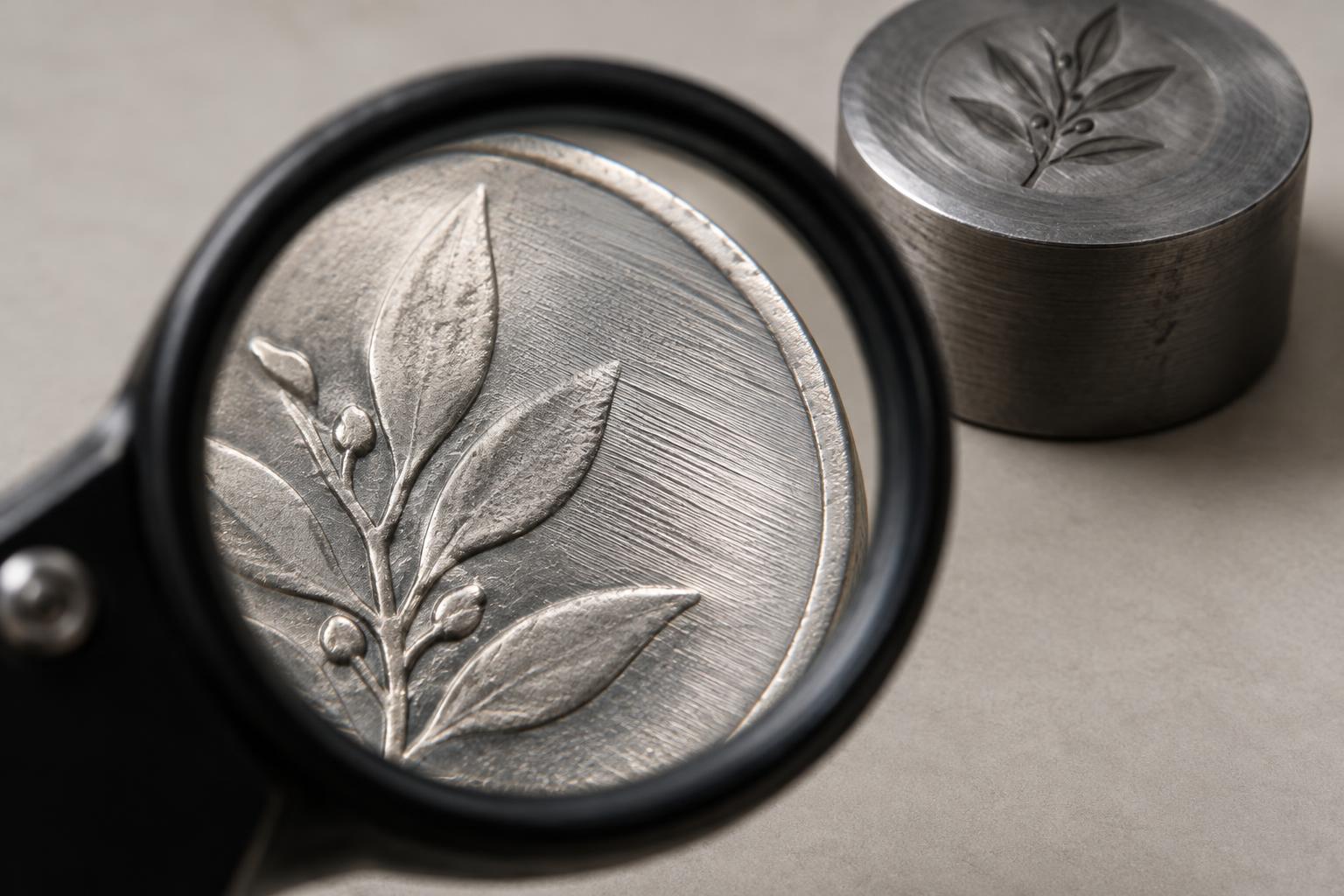
When examining a hammered coin, compare the position of the design on both faces. Also look at its edge and surface before attributing every uneven area to the strike. Missing detail might reflect a weak impression, an incomplete blank, die wear or circulation wear.
Screw presses: controlled pressure
A screw press uses a large threaded shaft to drive one die toward the other. Workers could turn a weighted arm to build momentum and bring the dies together with substantial force. Compared with a hand-held hammer, the press offered a more controlled way to deliver that force. It still depended on people to prepare blanks, place them and operate the equipment.
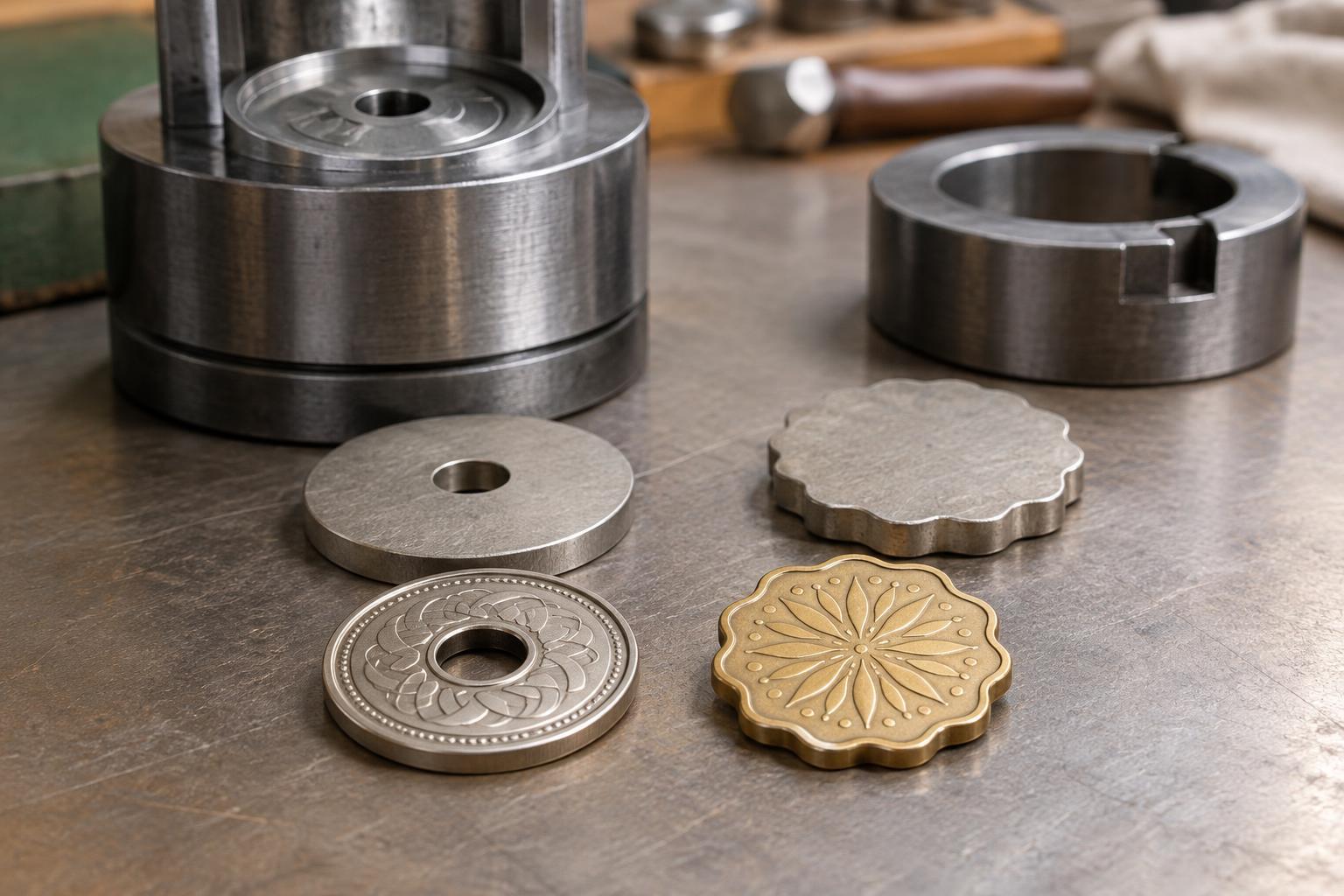
Screw pressing could help mints make coins with more consistent impressions and shapes, particularly when blanks were prepared uniformly and a collar was used. A collar surrounds the blank during striking and helps control its diameter and edge. Not every screw-pressed coin was struck in a collar, however, and the presence of an orderly edge does not by itself identify the kind of press used.
This method also shows why minting history cannot be reduced to a single sequence of inventions replacing one another everywhere at once. Mints adopted equipment at different times and adapted it to different coinage needs. For a particular coin, the issuing mint and type matter more than a broad assumption based on its appearance.
Modern mechanical presses: repeated, guided strikes
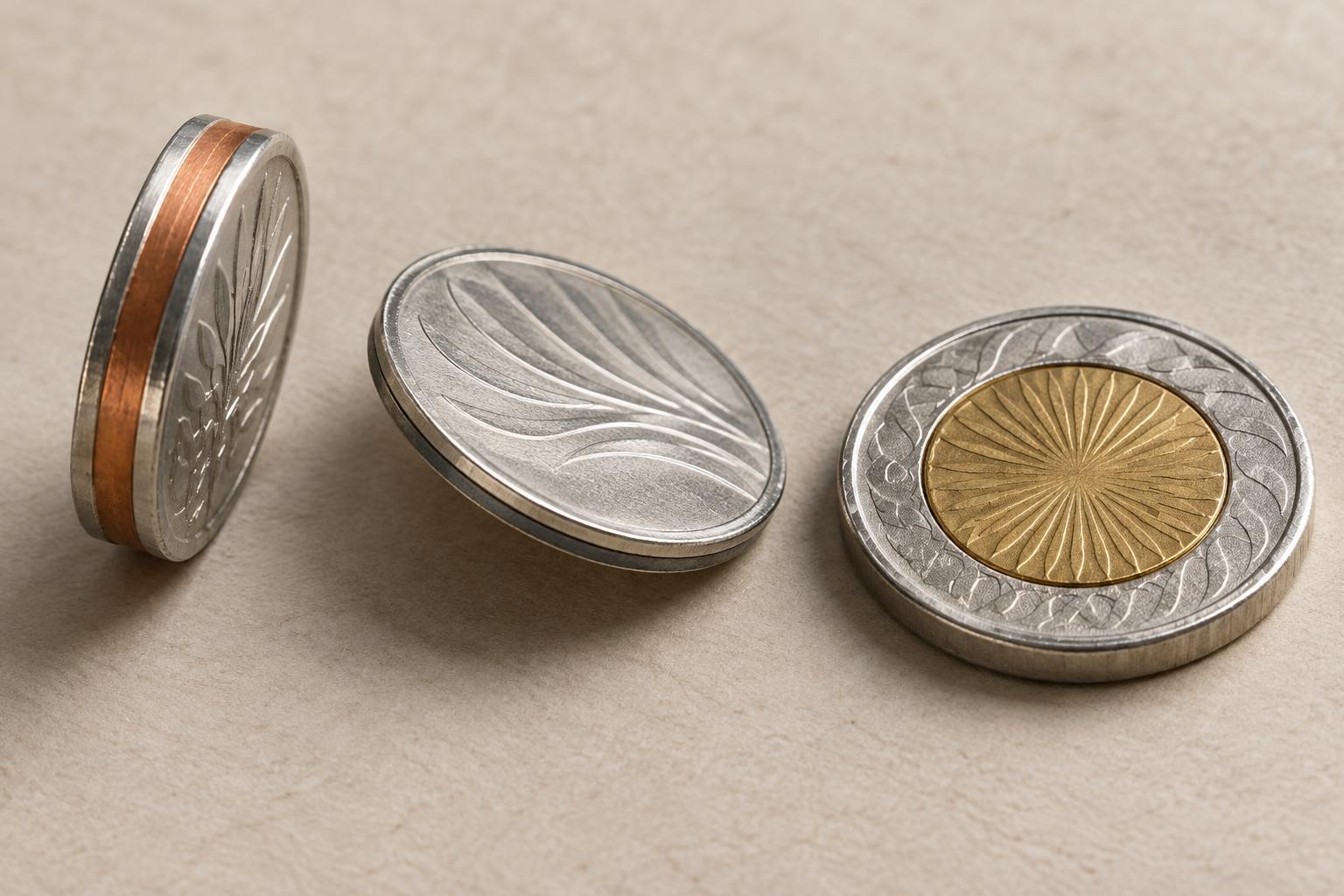
Modern production presses feed prepared blanks between dies and deliver strikes through powered machinery. The press guides the dies and repeats the operation, while other equipment can sort blanks and move struck coins onward. A collar commonly holds the blank during the strike, helping produce a consistent diameter and, when the collar has grooves, a reeded edge. Some edge features are applied in a separate operation, so an edge should not be assumed to have formed entirely during the face strike.
The greater control and repetition possible with mechanical presses support uniform production, but modern coins are not necessarily identical in every detail. Dies wear, blanks can differ and equipment can malfunction. Misalignment, an improperly seated blank or a problem with the striking process may leave visible clues. Conversely, a coin with an unusual appearance may simply have been damaged after leaving the mint. Understanding the normal method helps a collector ask better questions; it does not settle every diagnosis.
Using the method as a collecting clue
Start with a coin’s known type, then examine its centering, design sharpness, shape and edge under steady light. Ask which observations fit its expected production method and which need another explanation. For instance, an irregular outline may be unsurprising on some hammered issues but would call for closer examination on a coin type normally struck in a collar. Look at both sides: a weak area on one face may line up with a strongly impressed area on the other.
Handle the coin by its edges and avoid cleaning it to make a suspected minting feature easier to see. Cleaning can remove surface information that helps distinguish production effects from later wear or damage. If an apparent error or unusual strike matters to your collection, compare it with reliable descriptions of the same coin type and seek an informed opinion before drawing a firm conclusion.
The most useful distinction among hammered, screw-press and modern-press coinage is not that one method always makes a better coin. It is that each method gives the metal a different path through preparation, positioning and striking. Learning those steps makes the visible details of a coin more meaningful.