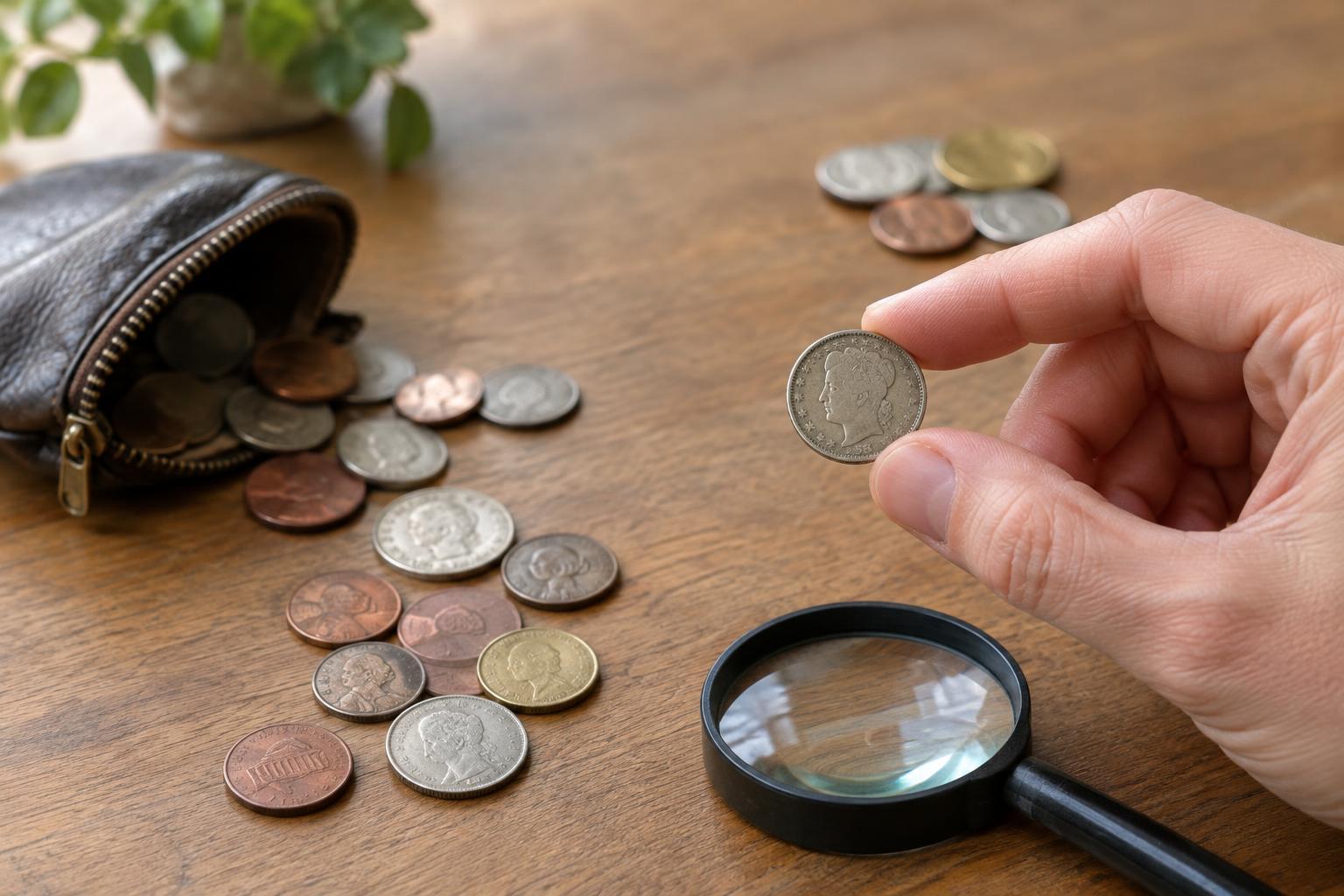
What makes a type set different?
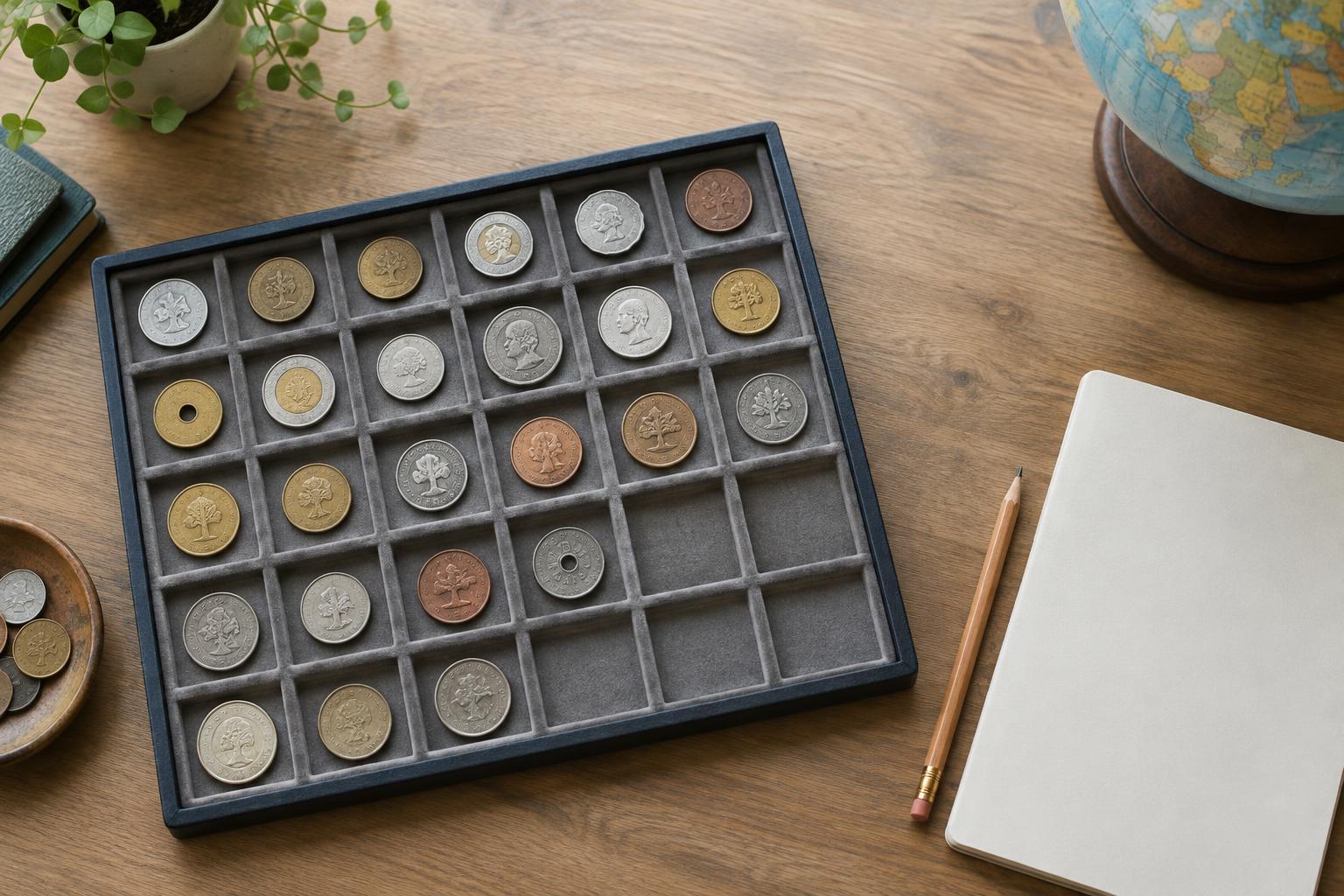
A type set is a collection organized around designs rather than every date and mintmark. Instead of seeking every coin in a series, you choose one representative example of each design within a scope you define. That makes type collecting a useful way to explore how a denomination’s appearance has changed without committing to a complete date-and-mintmark collection.
The scope is up to you. You might collect the major designs of one denomination, compare several denominations from one country, or follow a theme such as portraits or animals. A narrow scope is often easier for a first set: it gives you a clear checklist and leaves room to learn what distinguishes one design from another.
Decide what counts as a type
Before looking for coins, write down your rule for including a design. A major change to the portrait or reverse is an obvious reason to add a new slot. Smaller differences are less clear-cut. Collectors may disagree about whether a revised inscription, a modest design adjustment, or a change in composition deserves its own place. Your checklist does not need to settle that question for everyone; it needs to be consistent for your collection.
For example, a starter set of United States one-cent coins could include an Indian Head cent and Lincoln cents with wheat-ear, Memorial, and shield reverses. You could treat the four different Lincoln cent reverses issued in 2009 as additional types, or leave them for a later, more detailed set. Either approach works if you note the choice on your checklist. This also helps you avoid buying a coin only to discover that it does not fit the set you meant to build.
Set a stopping point as well as a starting point. A plan such as “major U.S. one-cent designs, excluding minor varieties” is more workable than “every interesting cent.” You can always expand it after completing a first version.
Choose examples that teach you something
For each slot, look for a coin whose identifying features you can see. On a wheat-reverse cent, for instance, the reverse should be clear enough to recognize the design. Heavy wear may be acceptable if you enjoy circulated coins, but damage that obscures a defining feature can make an example less satisfying in a type set.
You do not need the earliest year, a scarce mintmark, or the highest grade to represent a design. A more available date may give you a clearer example at a price you are comfortable with. Condition, scarcity, and demand can all affect asking prices, so compare coins on their own merits rather than assuming that one design has a fixed value. If you are choosing between two examples, consider which one better serves your purpose: a sharper design, fewer distracting marks, or a lower cost that leaves room for the next slot.
Handle unfamiliar coins carefully and leave uncertain surfaces alone. Cleaning can change a coin’s appearance and may remove evidence useful for understanding its condition. If a coin seems unusually expensive or difficult to identify, there is no need to rush; that slot can remain empty while you learn more.
Keep a checklist and a record
A simple checklist can carry more than the names of designs. Give each type a slot, then record the coin’s date, mintmark if present, denomination, and any feature that confirms its identification. Add what you paid, where you obtained it, and a brief condition note for your own reference. These notes help prevent duplicate purchases and let you see how your preferences change as the set develops.
Mark uncertain identifications as questions rather than forcing a decision. You might write “check reverse detail” beside a worn coin, then compare it with a reliable reference later. If you revise your definition of a type, update the checklist and keep a note of the change. A type set is a learning project, not a test you must complete on the first attempt.
Store the set so you can enjoy it
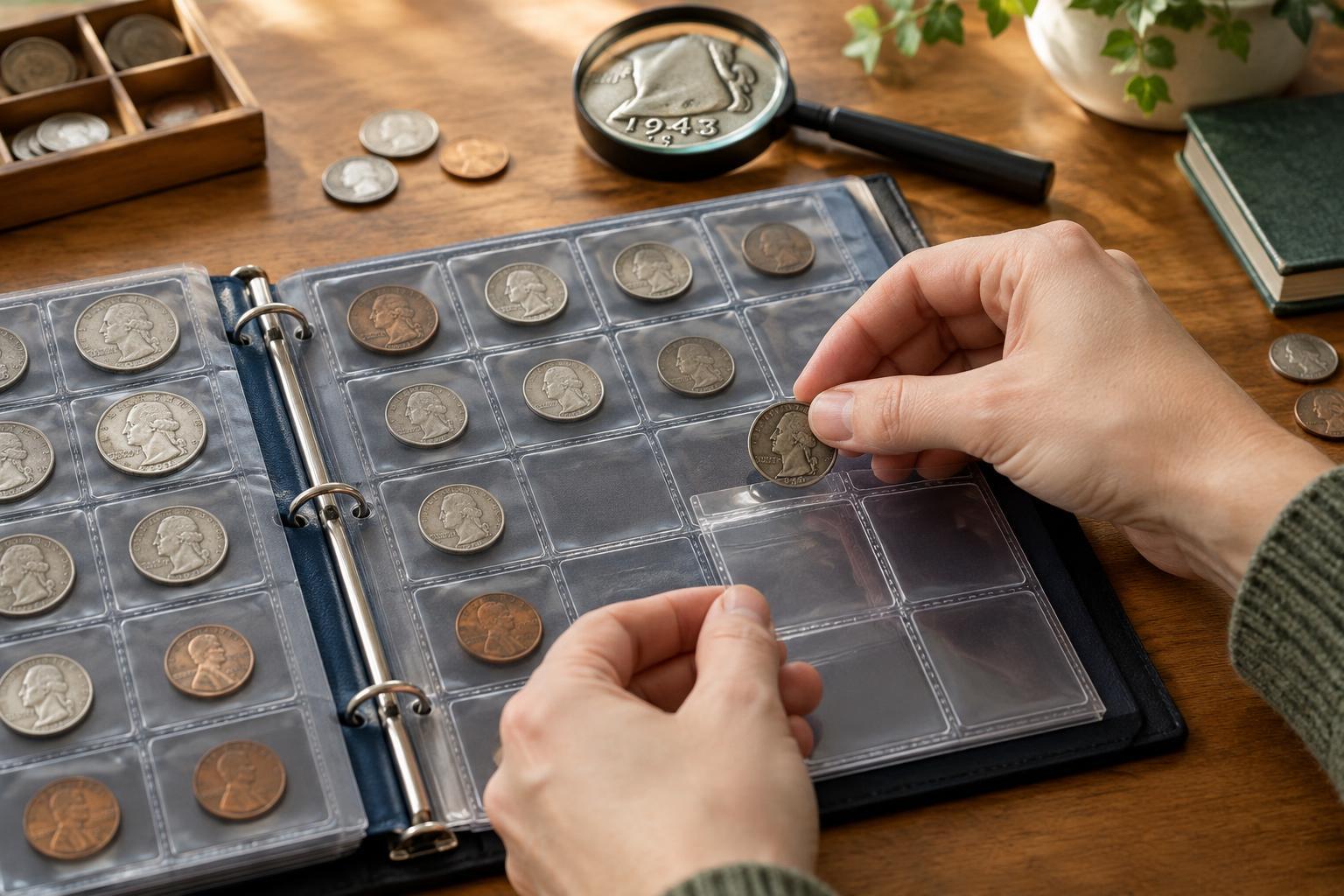
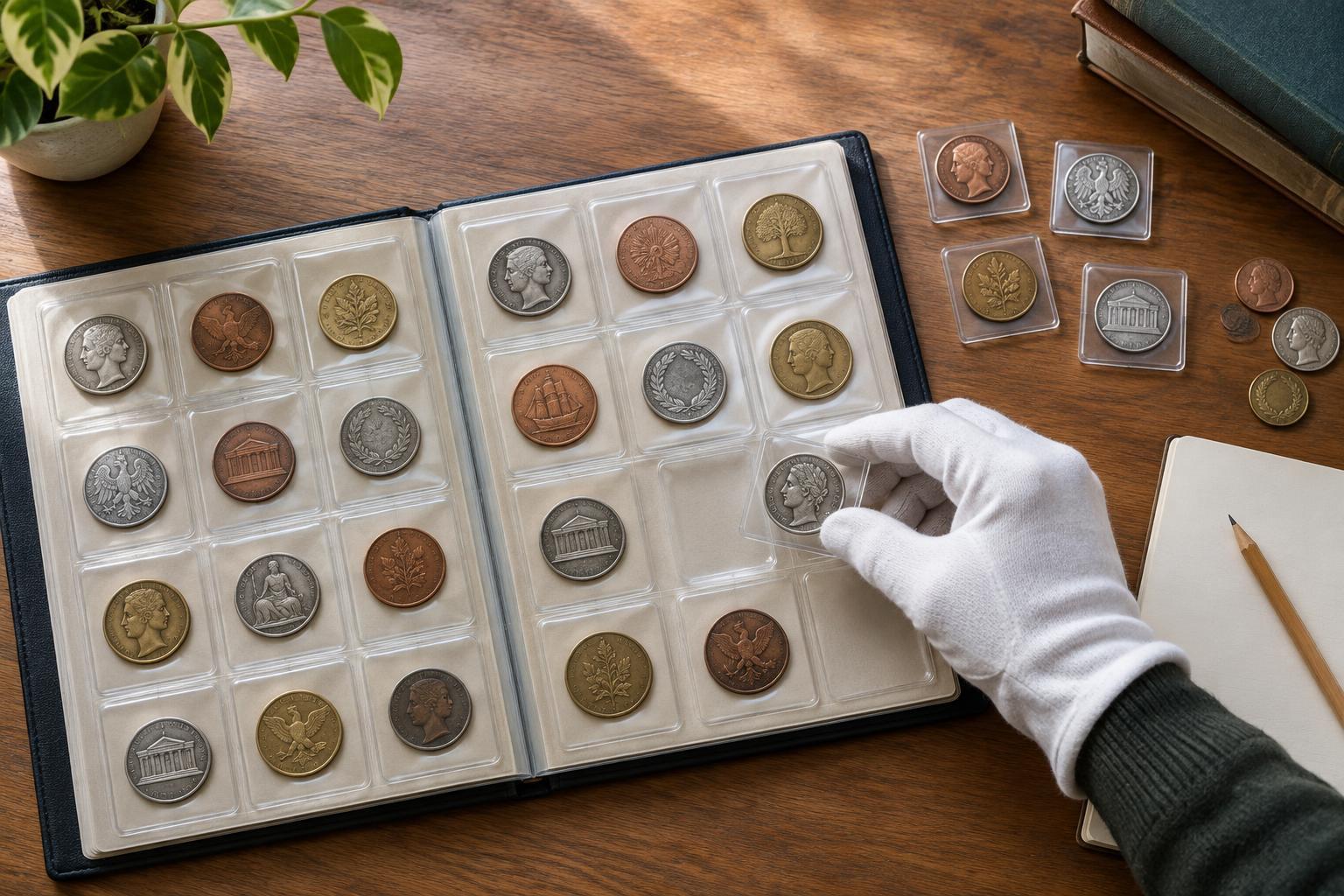
Choose holders that let you view both sides while limiting unnecessary handling. Label each slot clearly, and keep coins in a dry, stable place away from materials that could affect their surfaces. Hold loose coins by the edges over a soft surface, and avoid pressing fingers onto the faces. Your checklist can live beside the collection or in a separate notebook or file.
An empty slot is part of the process, not a failure. Building a type set gives you a reason to look closely at design details, compare examples, and decide what matters to you. Once a small set feels complete, you can add a neighboring denomination, include finer design distinctions, or begin a new set with a different theme.