Start with a collection you can define
The idea sounds simple: find one coin from every country. It becomes less simple when a coin bears an old country name, comes from a territory, or was made for collectors rather than everyday use. None of these puzzles has to spoil the project. They are opportunities to decide what you want the collection to teach you.
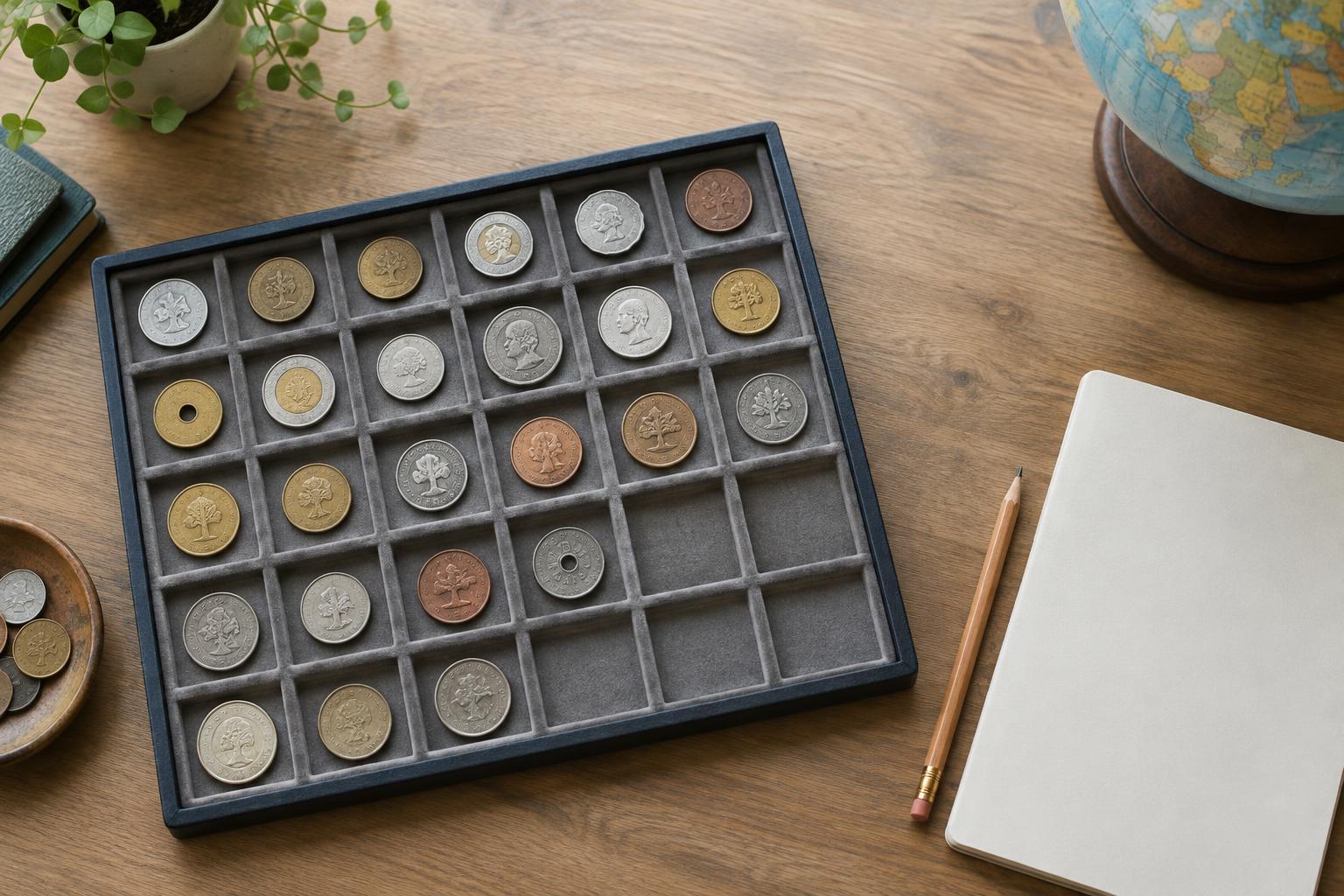
Write a short collecting rule before buying many coins. For example: “One distinct circulating coin issued under the name of each country on my chosen list.” That rule does not have to satisfy every other collector. It only needs to help you make consistent choices. Keep the list with your collection, and allow yourself to revise it deliberately rather than making an exception every time an interesting coin appears.
Choose what counts as a country
Pick one reference list of countries and use it as your starting point. Some collectors prefer a list of present-day states; others want a historical collection that includes states that no longer exist. A present-day list gives a beginner a manageable framework, while a historical list opens the door to many more questions about changing borders and names.
Decide separately how you will handle territories and dependencies. A territory may have coins with its own name or designs, even if it is not on your country list. You could exclude territories, give them a separate section, or include them under a broader “places represented” rule. Shared currencies need a rule too: if several countries use coins with the same general design, will one coin represent the currency, or must each coin show a country-specific inscription or design? Neither answer is mandatory, but recording your choice prevents confusion later.
Historical changes deserve similar care. You might file a coin under the country named on it, or use present-day geography as your organizing principle. Avoid silently switching between the two approaches. A note in your catalog can preserve the connection between an older coin and the place you associate with it today.
Define the coin that qualifies
A clear qualification rule keeps the project from turning into a search for the rarest possible example. You might accept any genuine, identifiable coin intended for circulation, in any denomination or condition. If readable designs matter to you, say so: a heavily worn coin may meet the geographic goal without meeting your display goal. Commemorative circulating coins can fit naturally if they otherwise meet your rule.
Make a separate decision about proof coins, collector issues, tokens and medals. Some pieces look coin-like but were not issued as money; others were issued as coins chiefly for collectors. You can include them, but labeling them accurately makes the collection easier to understand. For a beginner project, a regular circulating coin is often a useful default, with exceptions noted rather than hidden.
Set a date boundary if it helps. “Coins issued since a year I choose” is easier to apply than a vague preference for modern pieces. Alternatively, leave dates open and select a coin whose design interests you from each place. The aim is a rule you can explain in a sentence, not one so strict that finding a representative coin stops being enjoyable.
Keep the search affordable and manageable
Build the collection at a pace that suits your budget. Coin prices vary with type, condition, availability and seller, so an inexpensive-looking gap on a checklist may not always be easy to fill. Decide how much you are comfortable spending on an individual coin, and leave difficult entries blank rather than buying a questionable piece simply to complete a row.
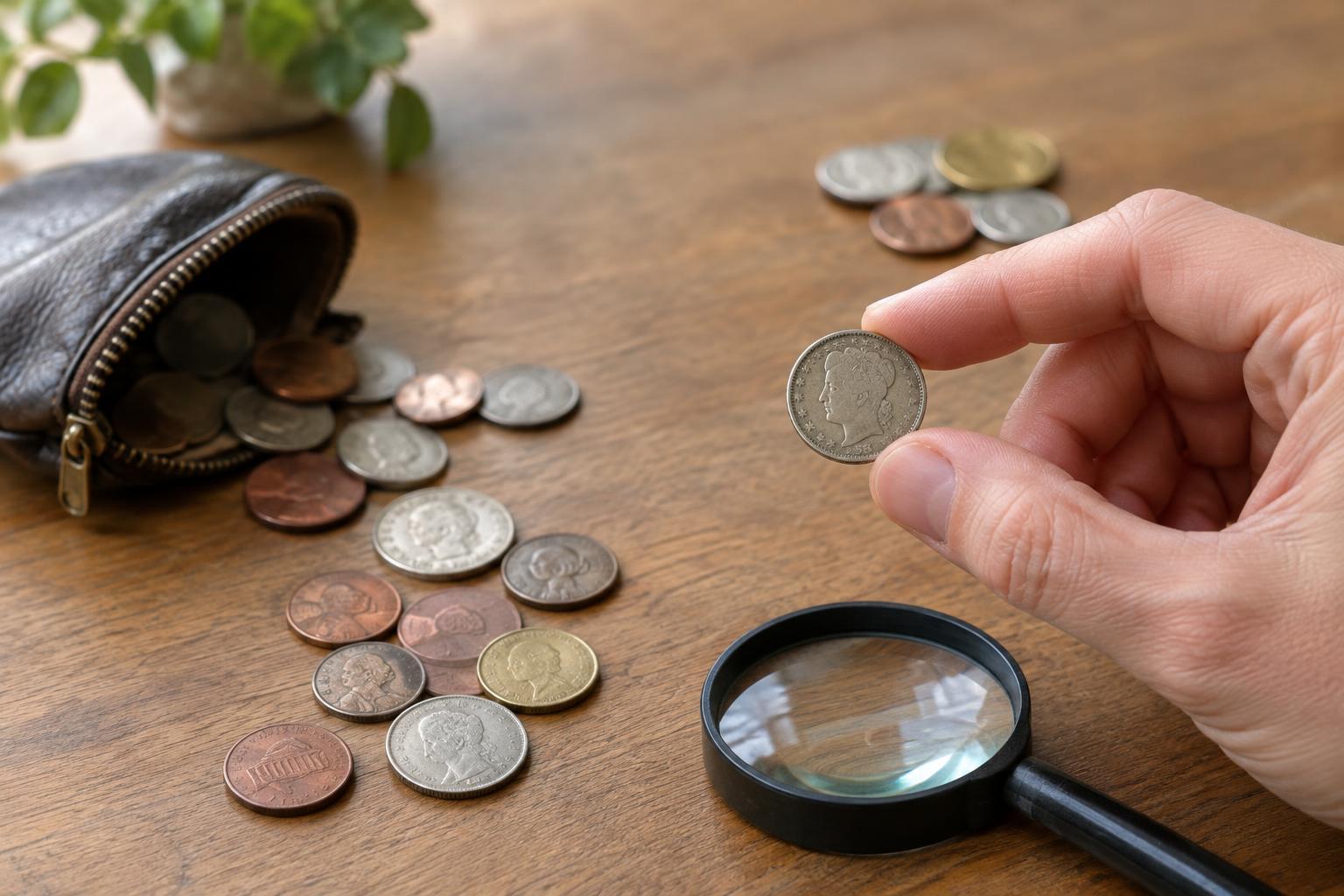
Start with coins you already have or can identify confidently. Before adding a purchase, check its country name, denomination, date if present, and whether it fits your rules. Be cautious when a listing relies on a broad label such as “world coin” without showing both sides clearly. A country collection need not be finished to be worthwhile; the unresolved spaces can become prompts for learning.
Record the story and leave room to grow
Give each coin a catalog entry with the name appearing on the coin, denomination, date or date range if known, and the country or place you assigned it to. Add a brief note for decisions that might puzzle your future self: why a territory has its own slot, why an older state is included, or why a collector issue qualifies. If you are unsure of an identification, mark it as uncertain instead of guessing.
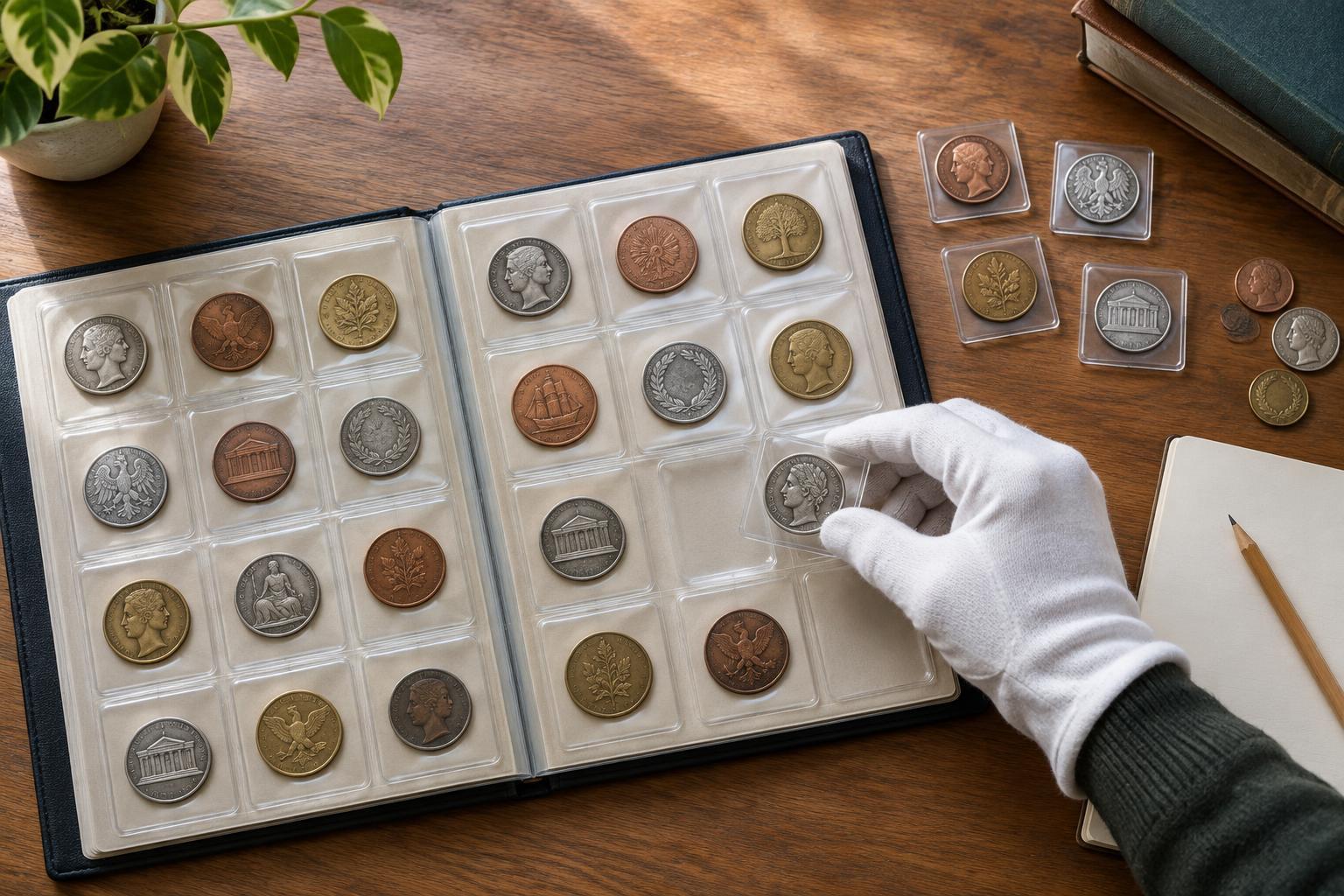
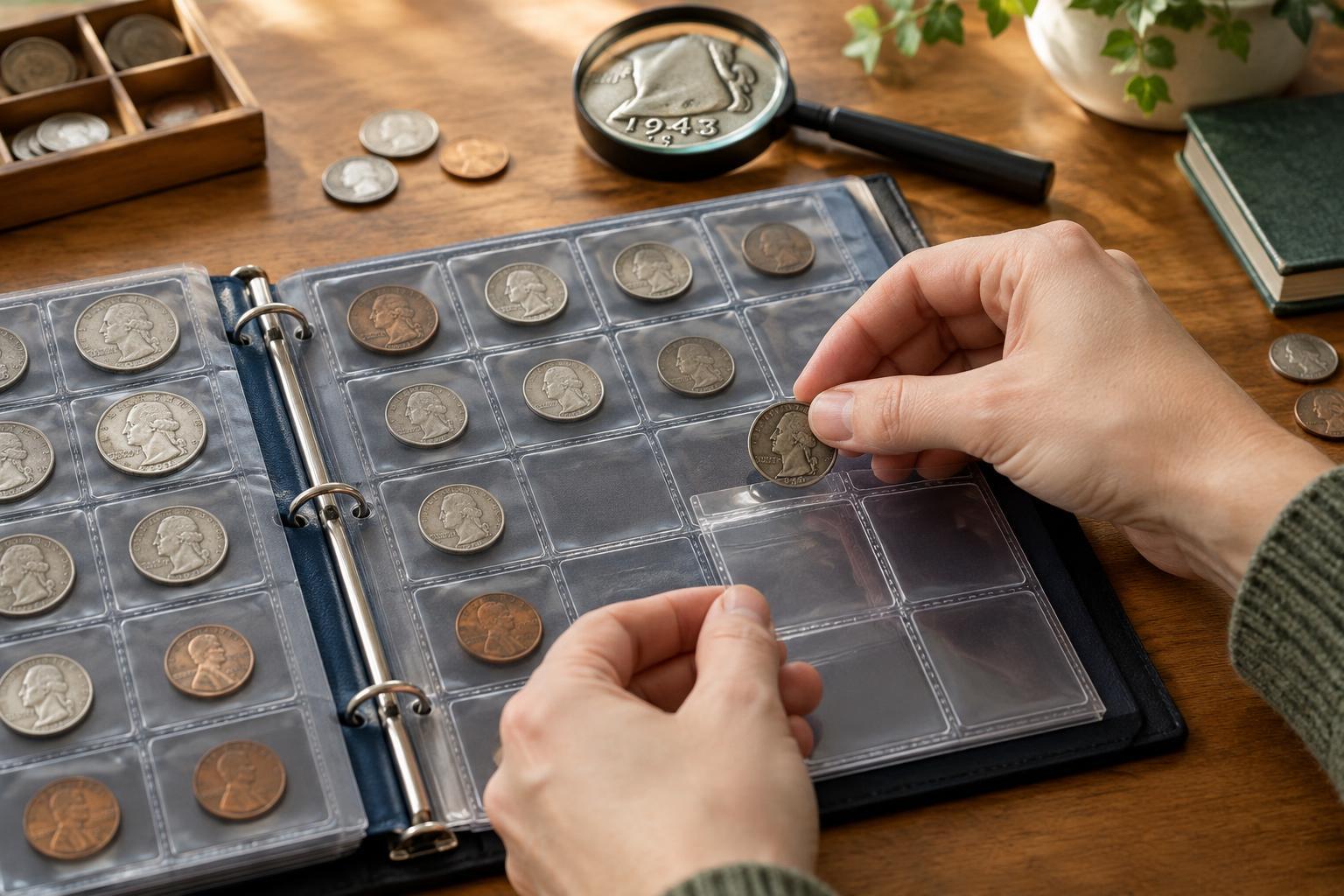
Store coins in suitable holders and label the holders or their accompanying records rather than writing on the coins. Handle pieces by their edges when possible, and avoid cleaning them to make a worn inscription easier to read. Good records and careful storage help you compare examples without losing the context that made each one interesting.
You can also keep a separate “extras” group for coins that fall outside your main rules. That lets you enjoy a striking design or an unexpected historical connection without changing the definition of the project. A successful one-coin-per-country collection is not necessarily a completed checklist; it is a collection whose boundaries help you explore the coins within it.