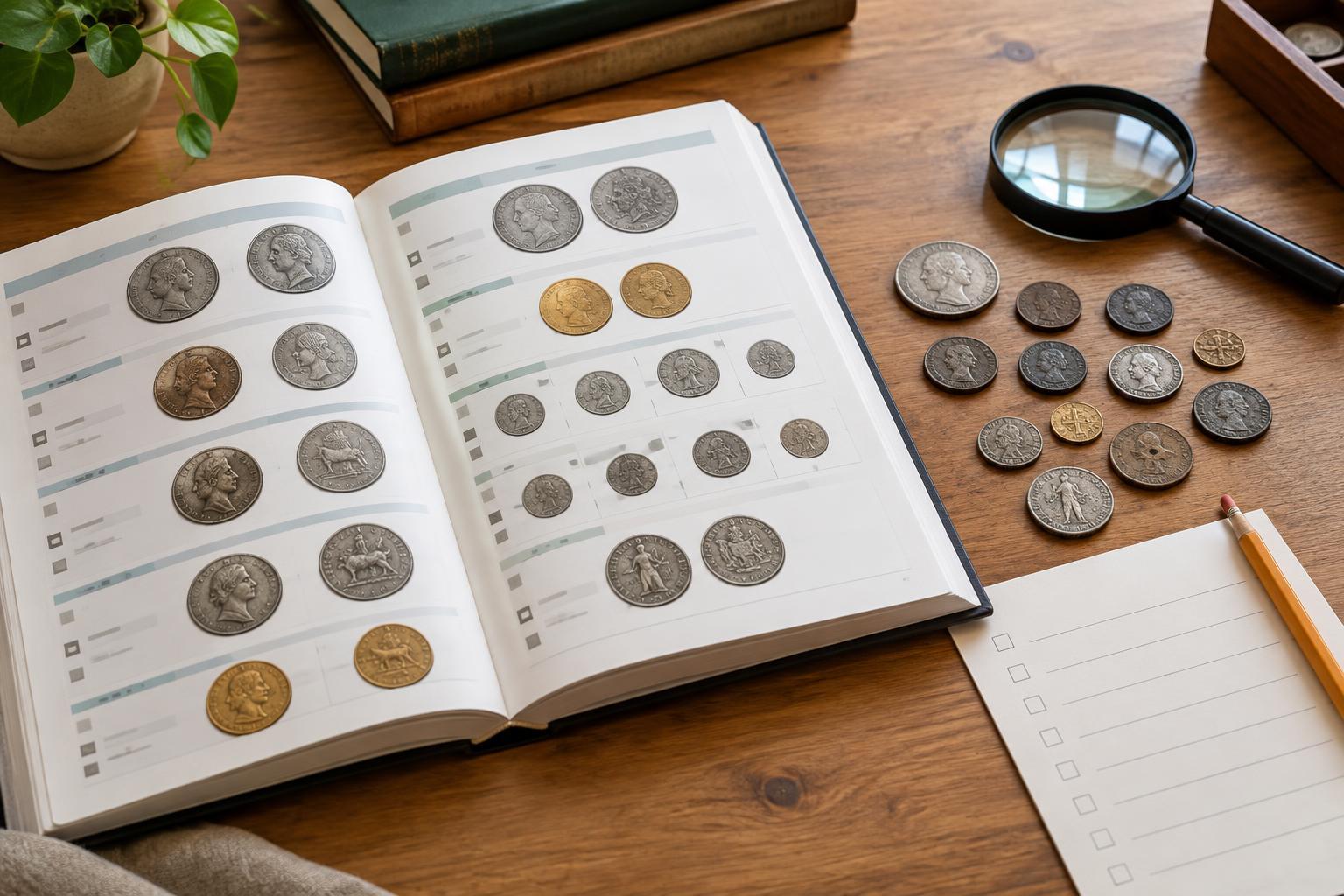
Start with the coin, not the countdown
An online auction can make a coin feel urgent, especially when the bidding clock is nearly finished. Before looking at the current price, decide whether the coin belongs in your collection. Does it fill a date or mintmark gap, represent a design you want to study, or meet the condition standard you have chosen? A focused reason to buy makes it easier to pass on an attractive coin that is not quite right.
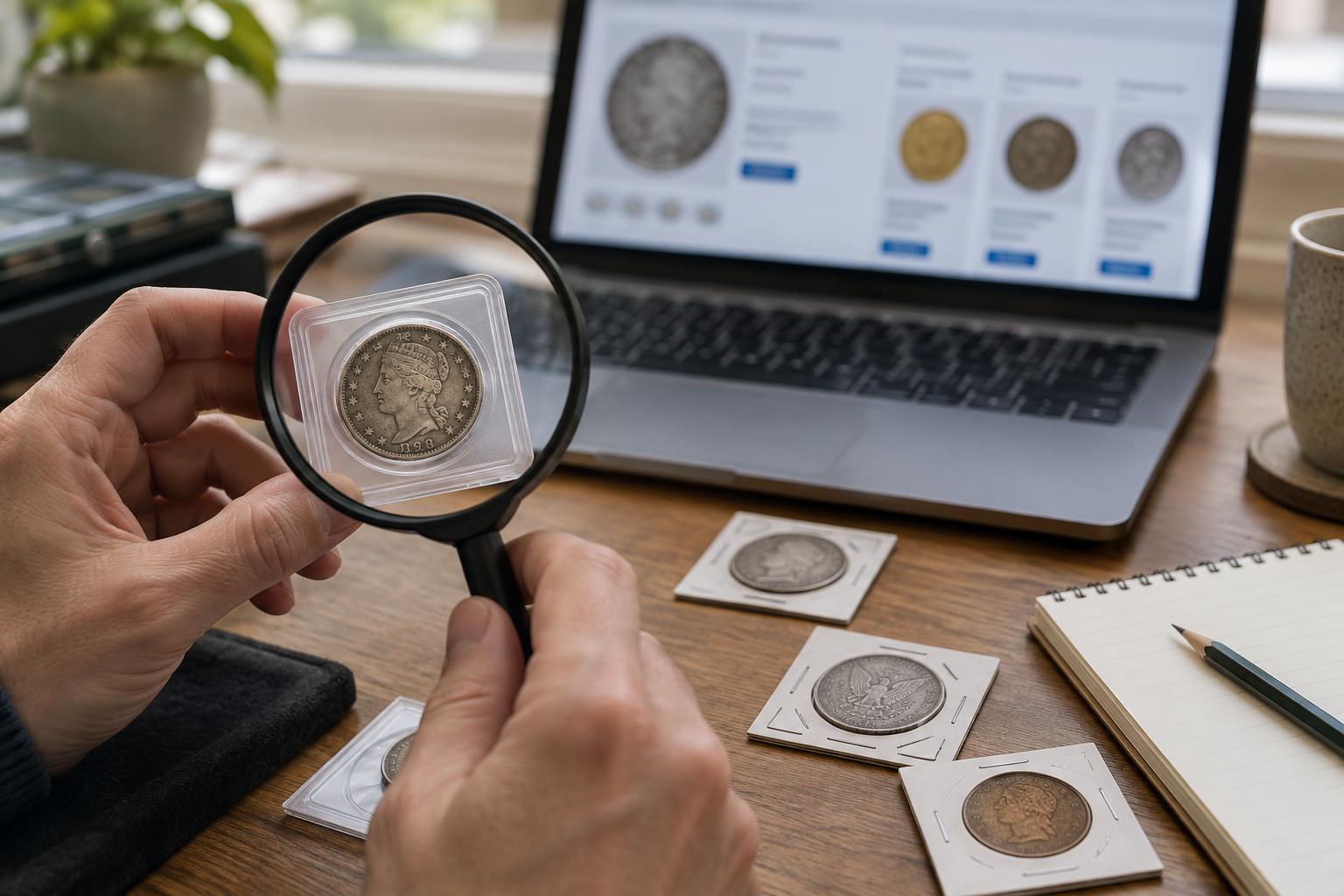
Read the entire listing rather than relying on its headline. Check the denomination, date, mintmark, stated grade, certification details if applicable, and any description of cleaning, damage or other problems. Examine clear images of both sides and the edge when available. Lighting can hide or exaggerate marks, color and surface texture, so ask for additional photographs if a detail matters to your decision. If the listing remains unclear, letting the lot go is a reasonable choice.
Set a limit before placing a bid
Auction bidding can work in different ways. Some platforms let you enter a maximum bid and raise your displayed bid only as needed, subject to their bidding rules. Others accept live bids during a scheduled sale. Learn how the particular auction handles minimum increments, tied bids and closing times. Some sales extend a lot’s closing time after a late bid, so do not assume a last-second bid will settle the result immediately.
Choose your maximum based on what you are comfortable paying for that specific coin, not on the hope that it will become more valuable. Comparable sold listings may offer context, but prices can differ with condition, eye appeal, attribution and the information available to buyers. Write down your limit before bidding starts. If competition carries the price beyond it, stopping is part of collecting deliberately—not a missed obligation to finish what you started.
Calculate the full cost
The winning bid may not be the amount you owe. An auction house may add a buyer’s premium, often calculated as a percentage of the hammer price. A platform or seller may also charge for shipping, insurance or payment processing. Applicable taxes and, for an international purchase, currency conversion and import-related charges can affect the total. Check which charges apply before bidding; do not assume that terms from one seller carry over to another.
A simple way to protect your limit is to work backward from your total budget. Allow room for the buyer’s premium and estimated delivery and tax costs, then determine the highest hammer price you can accept. Confirm whether multiple wins can be combined for shipping and whether there are minimum charges. A modestly priced coin can become a poor fit for your budget once the complete invoice is considered.
Read the return policy before you need it
Return rights vary among auction houses, platforms and individual sellers. Some sales allow returns within a stated period; others restrict returns or sell certain lots “as is.” A policy may distinguish between a coin that simply disappoints you and one that was materially misdescribed. Read the terms for reporting a problem, obtaining authorization, paying return postage and sending the coin back in its original holder. Do not assume a third-party grading label creates a return right.
Check the listing and the seller’s terms together, and save copies of relevant descriptions and images. After delivery, compare the coin with the listing promptly, without cleaning it or altering its holder. If something appears wrong, contact the seller through the auction’s stated process within the applicable time limit. Clear, timely communication is more useful than waiting until the return window has closed.
Build a record, not just a pile of purchases
For each coin you buy, record the seller, lot description, hammer price, added fees, shipping cost and total paid. Keep the invoice and note why the coin appealed to you and anything you learned when it arrived. Those notes can reveal whether your auction choices are serving your collection plan or whether excitement is pushing you toward duplicates and unplanned purchases.
Online auctions are most useful when you treat each lot as a considered decision. Verify what is being offered, know the bidding rules, calculate the full cost and understand what happens if the coin does not match its description. You will not win every lot—and you do not need to. A collection grows more satisfying when each addition earns its place.