What a coin club can add to your collection
Coin collecting can be a solitary hobby, but it does not have to be. A club gives you a place to ask questions, handle ideas you have only read about, and hear why other people collect. One member may enjoy coins from a particular country; another may focus on dates, mint marks, designs, or the history behind a single series. You do not need an expensive collection to take part.
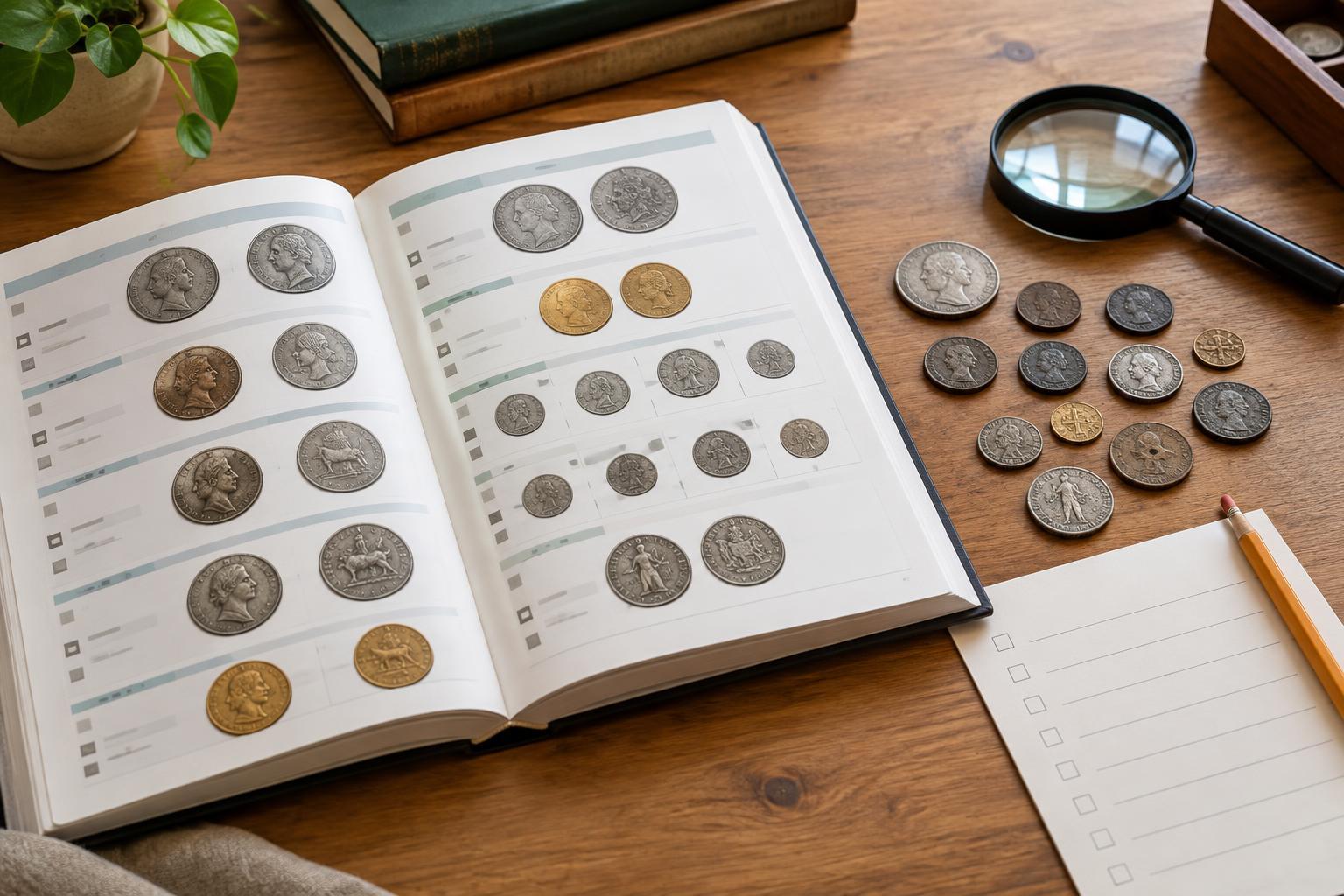
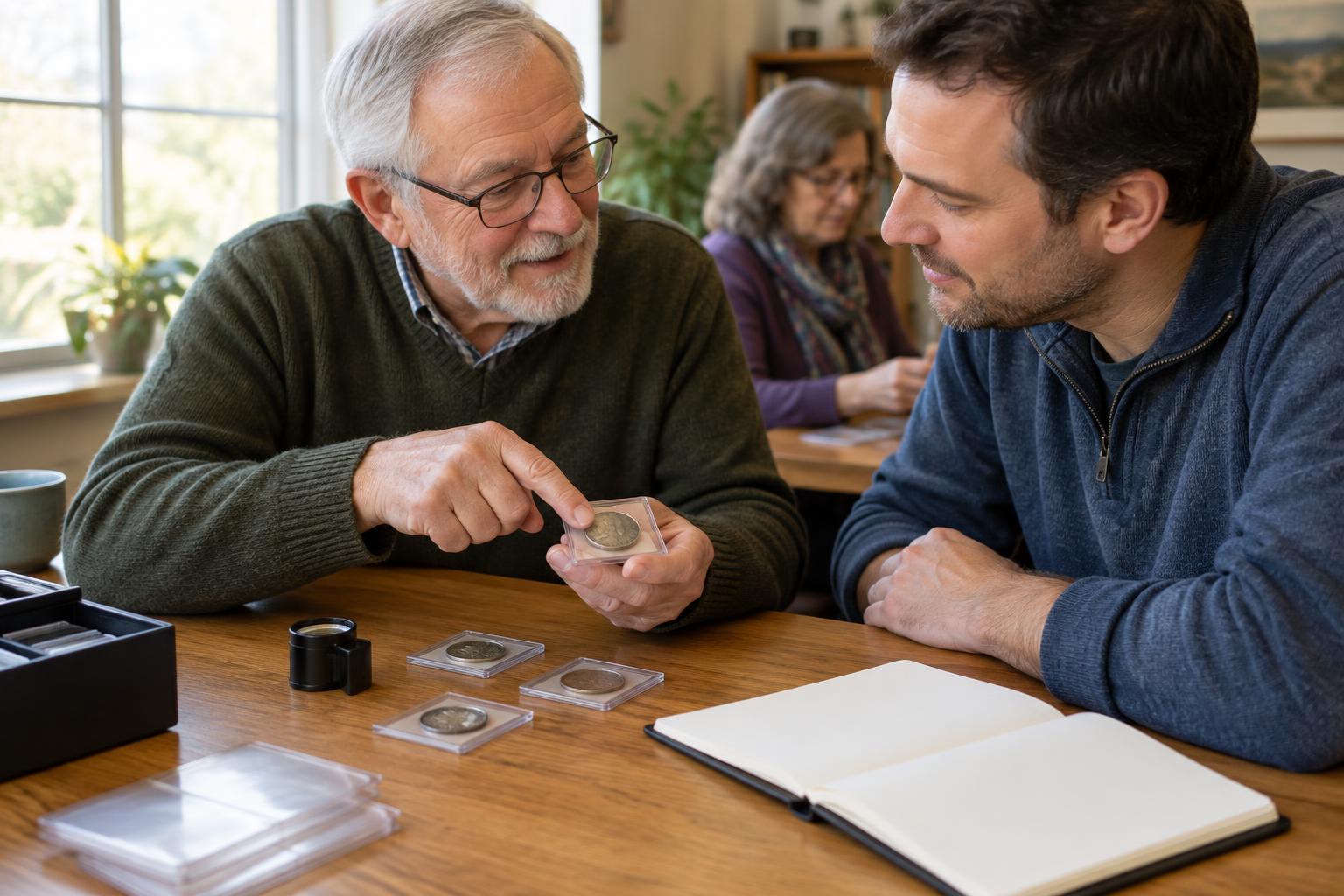
For a beginner, the greatest benefit is often learning how to look at a coin. Comparing two examples side by side can make differences in wear, strike, color, and surface marks easier to notice. Experienced members may explain the terms they use, but you should feel free to ask for plain-language descriptions. A good club makes room for curiosity without pressuring anyone to buy or trade.
Finding a group that suits you
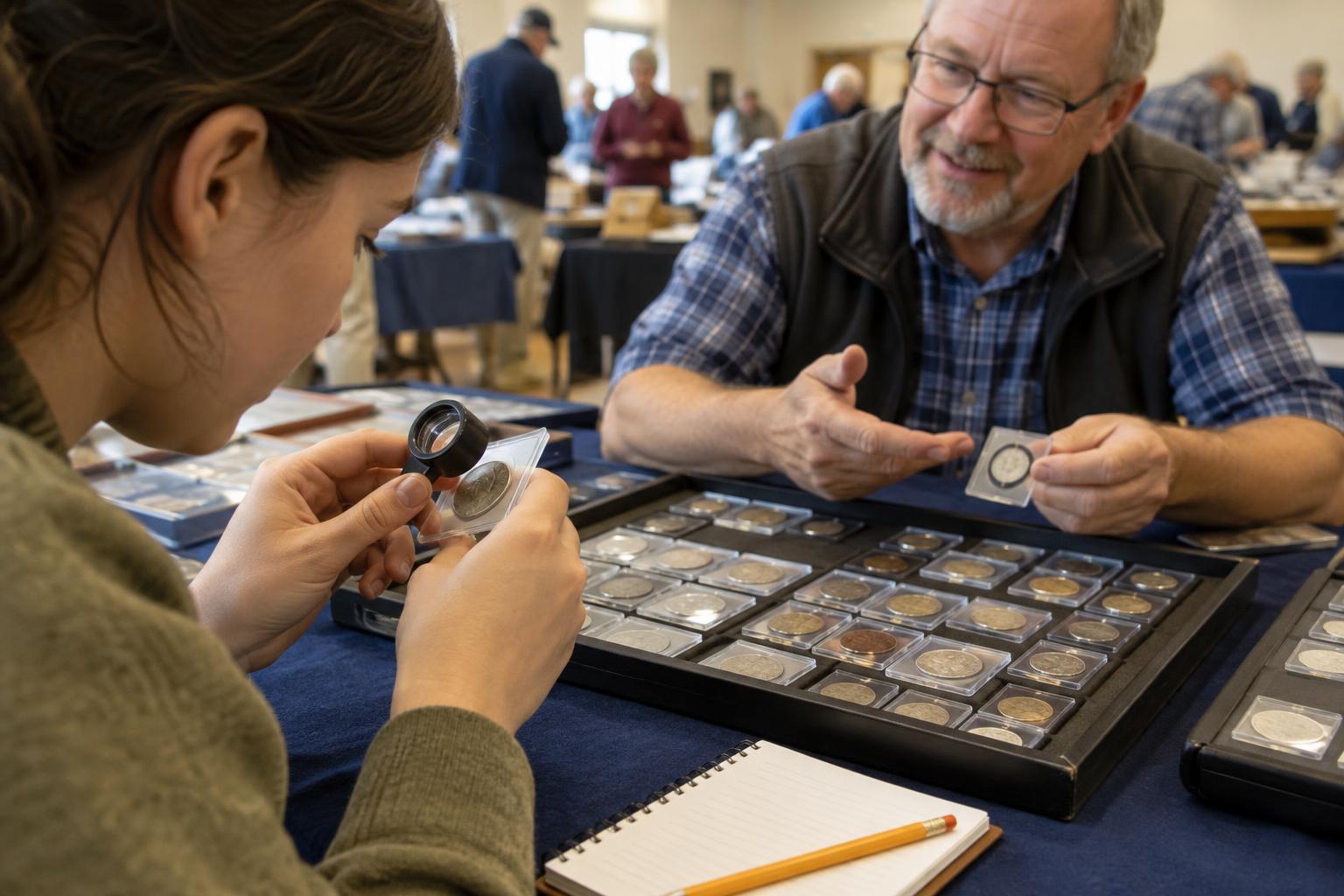
Look for clubs through local libraries, community centers, coin shows, or established numismatic organizations. If a group lists meeting details, check whether visitors are welcome and whether there is a membership fee. Some clubs emphasize talks and exhibits, while others make more time for informal conversation or trading. Attending as a guest, when permitted, is a practical way to see which format you enjoy.
At a first meeting, introduce yourself and mention what you hope to learn rather than trying to present yourself as an expert. Ask how meetings usually work and whether the club has rules for handling coins or arranging trades. Notice whether members explain their opinions, respect different budgets, and allow you time to make decisions. You can visit more than one group before joining.
Preparing coins and questions for a meeting
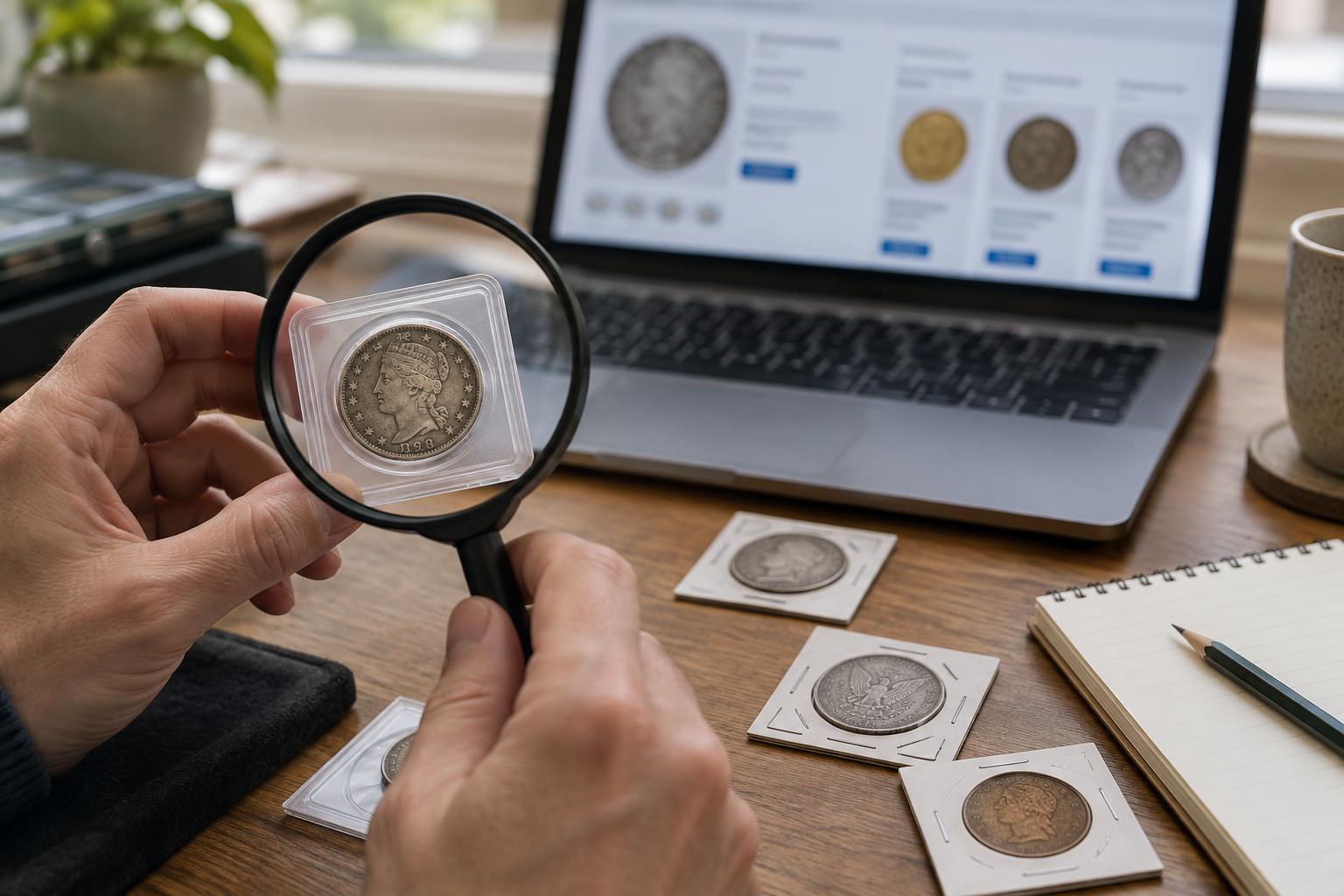
Bring a few coins that connect to a specific question: an unfamiliar design, a mint mark you want to locate, or two examples whose conditions seem different. Keep each coin in a suitable holder and label it with information you know, such as country, denomination, and date. If you are unsure of an attribution or grade, say so. A simple notebook can help you remember the terms and suggestions you hear.
Ask before taking a coin out of its holder, and hold an unprotected coin by its edges if its owner invites you to handle it. Food, drinks, and crowded tables increase the chance of accidental damage. These small courtesies matter because even an inexpensive coin may be important to its owner. Do not clean a coin to make it look better for a meeting or trade; cleaning can change its surfaces and may make it less appealing to collectors.
Making a trade both sides understand
Before offering a trade, decide what fits your collecting plan. Perhaps you want one example of each design in a series, or you are replacing a worn coin with a clearer one. That goal makes it easier to decline an exchange that is interesting but not useful to you. Be prepared to describe your coin accurately, including visible scratches, spots, damage, or uncertainty about its identity. Give the other collector enough time and space to inspect it.
Coin values vary with condition, demand, and the details of a particular example, so a printed price or another person’s opinion should not settle every exchange. Compare the actual coins in front of you and discuss what each person expects to receive. If either of you is unsure about authenticity, attribution, or condition, pause the trade rather than guessing. It is acceptable to seek another opinion, agree on a different exchange, or walk away politely.
State all parts of the agreement before coins change hands, especially if more than one coin or any additional payment is involved. For a meaningful trade, make a brief written note of the date, the people involved, and the coins exchanged. That record helps you keep your collection organized and recall how you acquired an item; it does not replace a careful inspection.
Building trust over time
Trading works best when it is treated as a conversation, not a contest. Avoid rushing someone, overstating a coin’s grade, or presenting an uncertain claim as a fact. If you change your mind before an agreement is complete, say so clearly. Follow any club rules about transactions, and arrange to meet in the setting where both people feel comfortable.
You can participate in a club without trading at all. Offer to help set up an exhibit, share a question for a future talk, or show a small group of coins you have researched. As you learn what interests you, keep notes on gaps in your collection and on features you want to inspect more closely. The strongest result of joining a club may be not the coins you acquire, but the care and confidence you develop when choosing them.