Go with a purpose, not a shopping list
A first coin show can feel overwhelming: tables may hold everything from inexpensive coins for beginners to pieces you have only seen in photographs. You do not need to understand every display to have a good visit. Pick one modest goal, such as comparing dates in a series you collect, learning what a particular grade looks like, or finding an example of a design that interests you.
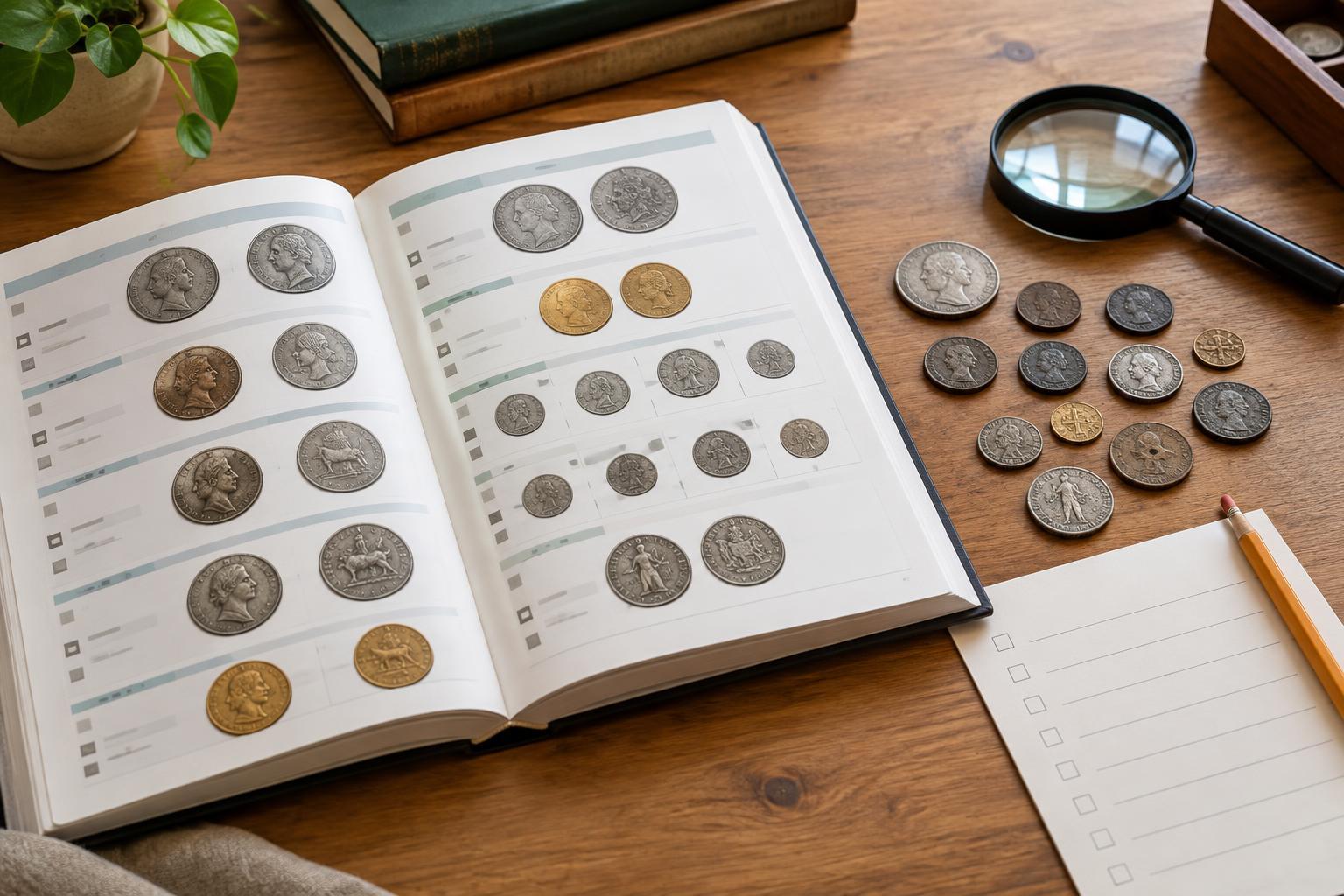
Before you go, look over the coins you already own and note any gaps you might want to fill. Bring a short list with dates, mint marks, and other details that matter to you. If you plan to buy, decide what you are comfortable spending in total, including room for supplies or an unexpected find. A budget makes it easier to enjoy looking without feeling that you must make a purchase.
Take a first lap around the room
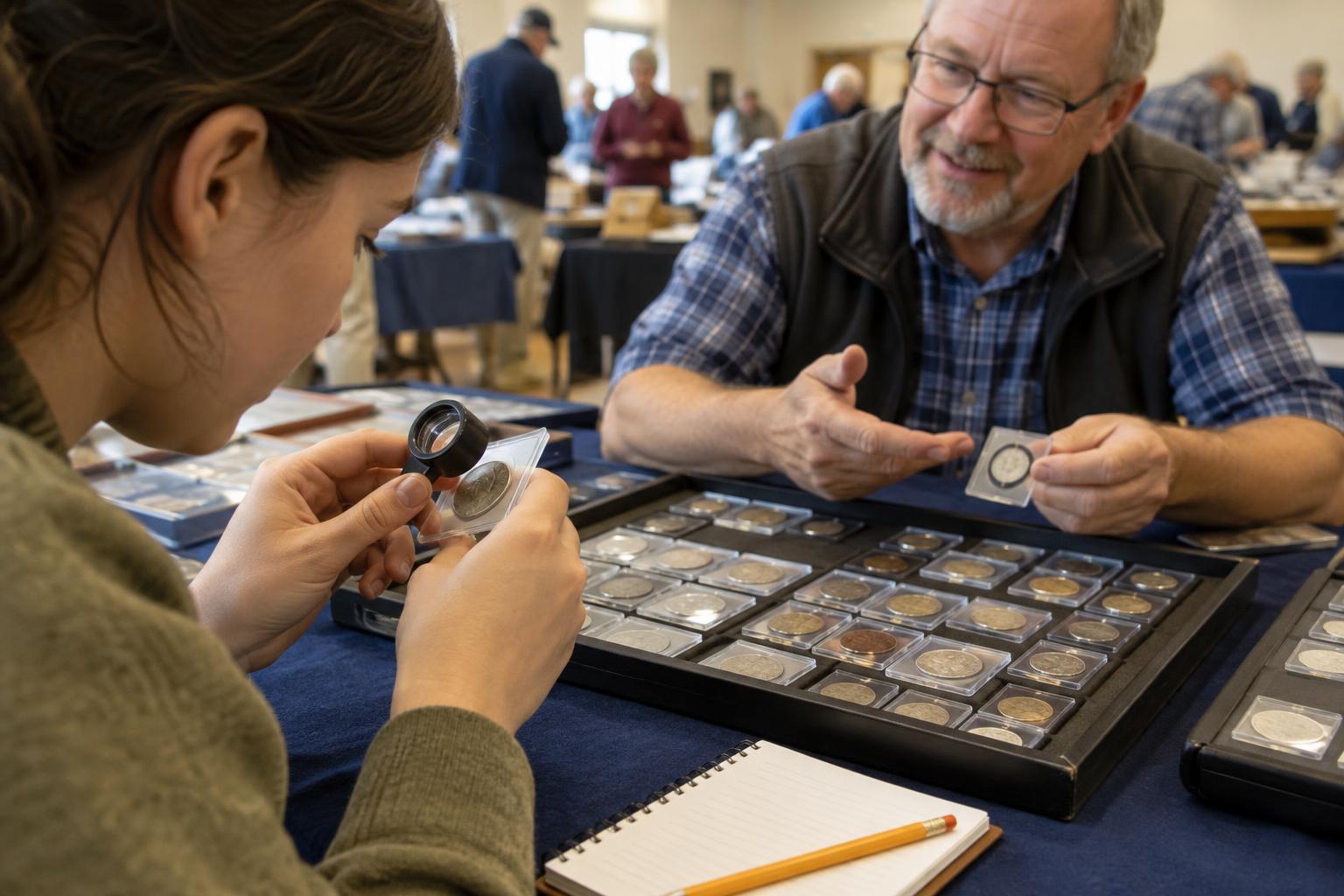
When you arrive, spend a little time walking the room before settling at one table. Notice which dealers have coins relevant to your interests and how similar items are described. Prices can vary with condition, eye appeal, certification, and a seller’s assessment, so a quick lap helps you see what questions you want to ask. It also gives you a chance to spot displays or educational activities, if the show offers them.
Be considerate of busy tables. If other visitors are waiting, keep your first look brief and return when there is more space. Ask before taking photographs or handling coins, and follow the dealer’s instructions for items in holders or trays. Shows are easier to navigate when everyone gives others room to look.
Look closely and ask specific questions
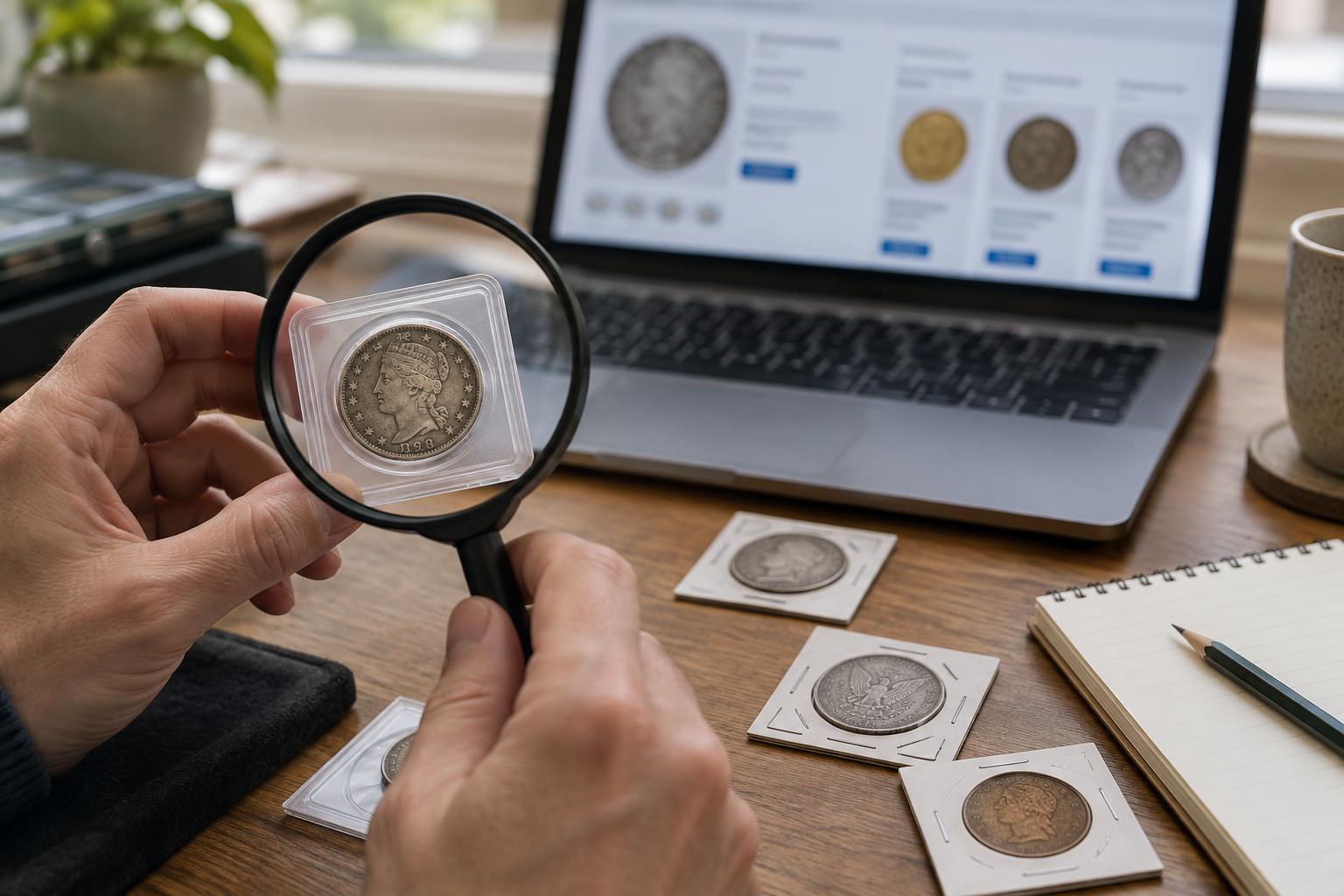
At a table that interests you, start with a simple request: ask to see a coin by date, design, or price range. Examine it under the available light and compare both sides. Look for wear on raised areas, marks or scratches, and any unusual color or surface texture. A coin that looks appealing at first glance may look different after a slower inspection. If you are unsure what you are seeing, ask the dealer to explain it.
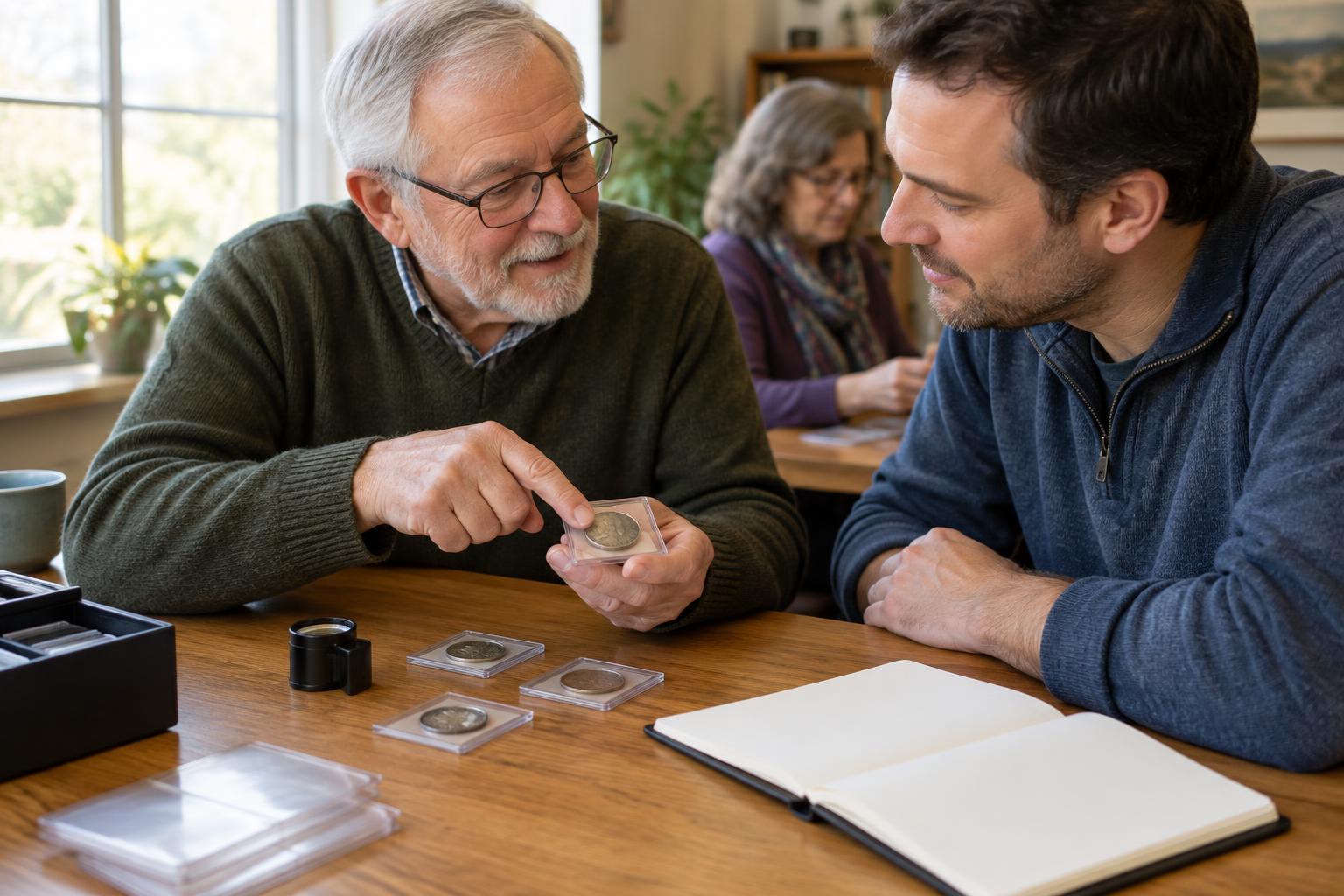
Useful questions include why a coin received a particular grade, whether it has been cleaned, and how it differs from a less expensive example nearby. You can also ask what a label or abbreviation means. Dealers may have different opinions, and asking for an explanation is more useful than trying to memorize a single rule. For a costly coin, it is reasonable to pause and learn more before deciding. A first show is an opportunity to build your eye, not a test of how quickly you can buy.
Buy deliberately and keep a record
If you find a coin you like, check it against your goal and budget before discussing the price. Make sure you understand which coin is being offered, how it is identified, and whether any return terms apply. Prices and coin values are variable; a listed price alone does not tell you whether an item is right for your collection. It is fine to thank a dealer and move on, even after a helpful conversation.
For each purchase, keep the receipt and note the date, price paid, identifying details, and what drew you to the coin. Record any condition description separately from your own observations. This small habit makes it easier to avoid buying duplicates and to remember what you learned. Carry new purchases securely, and leave them in their holders rather than touching the surfaces.
Let the visit shape your next step
After the show, review your notes while the conversations are fresh. Which coins were easy to distinguish, and which still looked alike? Did a new design catch your interest, or did comparing several examples strengthen your original collecting plan? These answers can guide your reading and your next visit.
A successful first coin show does not require a rare find or even a purchase. Seeing coins in person, practicing careful inspection, and learning to ask clear questions are worthwhile results. Return with one new question or a narrower goal, and the next roomful of coins will be easier to explore.