What a condition range does for a set
When building a set by date, mint mark, or design, it is tempting to judge each coin on its own. But the coins will eventually sit together. A heavily worn piece beside a sharply detailed example can make a set look uneven, even if both coins were sensible choices individually. Choosing a condition range gives you a shared standard for deciding which coins belong.
Condition describes more than whether a coin looks attractive. Wear, remaining detail, surface marks, color, and eye appeal all affect how a collector experiences it. Grading terms offer a useful vocabulary, but they do not make every coin within a grade look alike. Think of your target as a range of appearances as well as a range of grades: perhaps coins with readable details and moderate, honest wear, or coins with little wear and pleasing surfaces.
Consistency does not require identical coins. Different designs wear differently, and older coins have had different journeys. The goal is to choose pieces that feel compatible when viewed as a group.
Start with the set you actually want to complete
Before choosing a target condition, define the boundaries of the set. A short run of common modern dates may give you many similar-looking options. A longer series with scarce dates, difficult mint marks, or changes in design may not. If one challenging coin would force you far outside your comfortable spending range, a slightly broader condition target may make the project more enjoyable.
Decide what matters most to you. Do you want to see the main design clearly on every coin? Would you rather accept more wear if the surfaces are even and free of distracting damage? Are you happy with a set of well-circulated coins that shows how money was used? These preferences are more useful than simply aiming for the highest grade you can find.
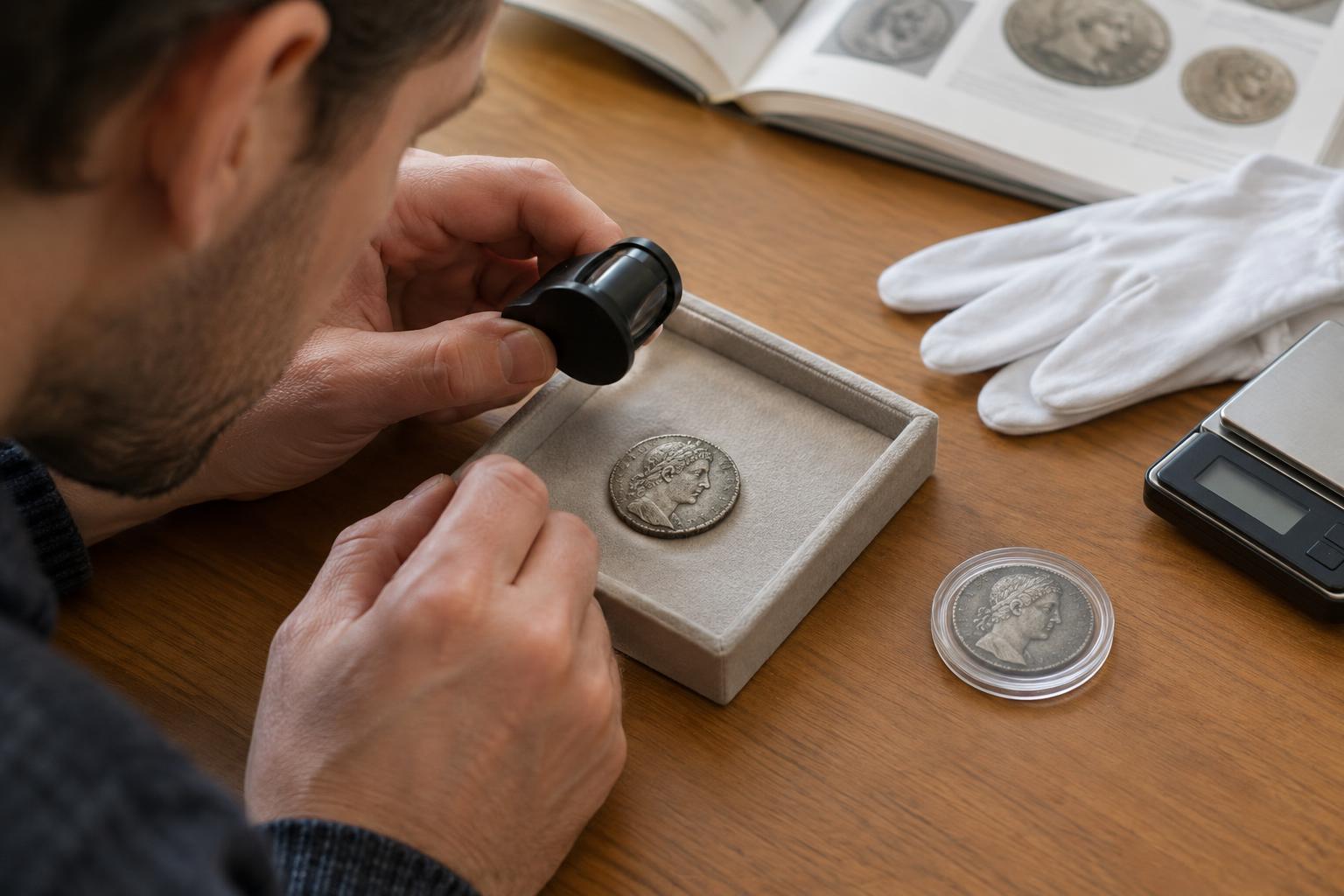
It helps to examine several examples before committing. Compare coins from the same series, since a grade or level of wear can look different across designs. As you look, note the features you want to remain visible, such as lettering, a portrait, or a small design element that tends to wear first.
Write a flexible buying rule
A simple rule can keep decisions consistent without making collecting rigid. For example: “I want circulated coins with clear dates, recognizable major details, and no prominent damage.” You might add that you prefer even color or that you will accept more wear on especially difficult dates. The rule should describe what you can observe, not just name a grade.
Separate wear from problems that bother you. A coin can be worn yet appealing, while a coin with stronger detail may have scratches, corrosion, or signs of cleaning that draw your attention away from the design. Decide which issues are acceptable to you before encountering an otherwise tempting example. If you are unsure whether a surface has been altered, it is reasonable to wait and compare more coins.
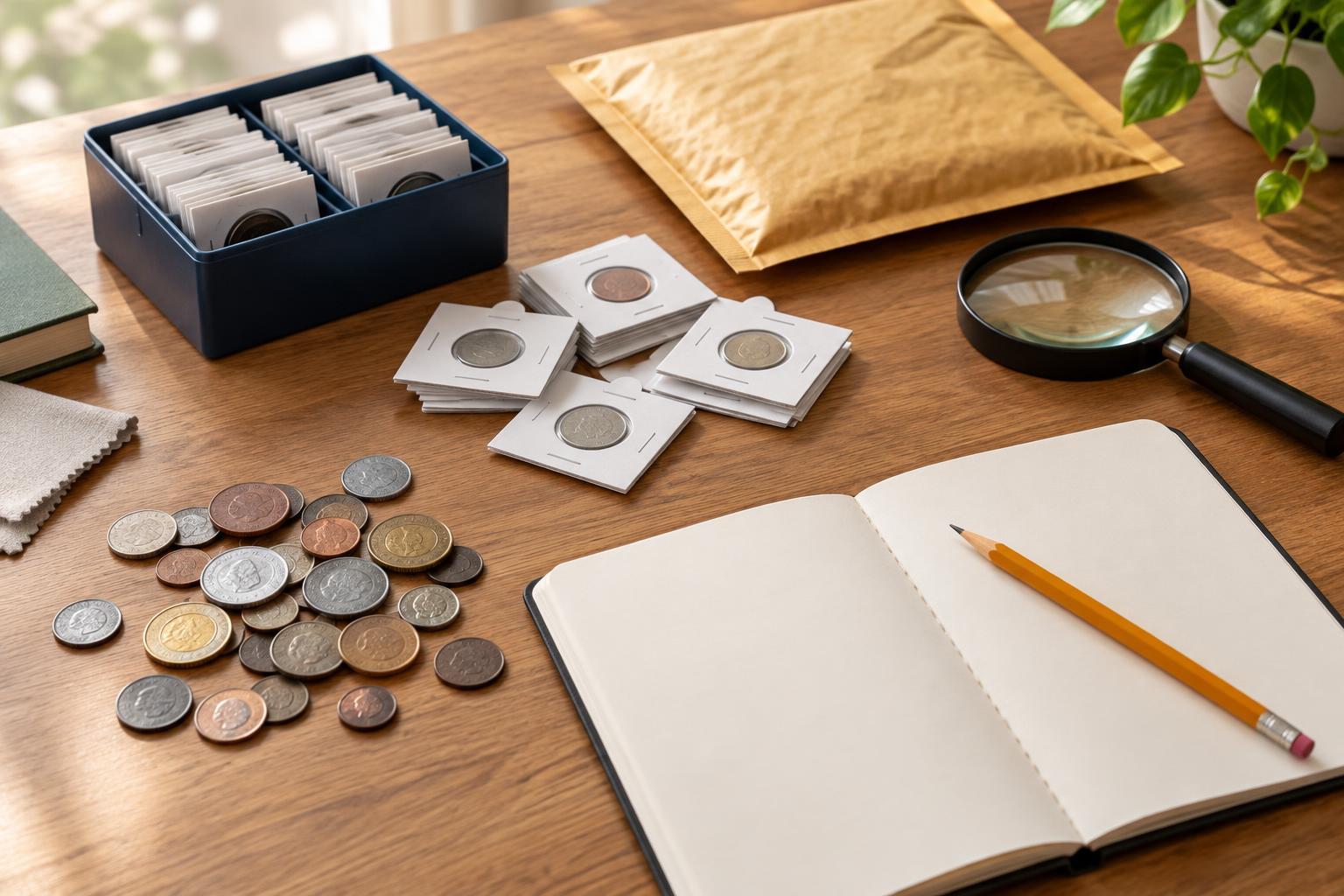
Keep your rule alongside a checklist of the dates or varieties you seek. Record the condition of each addition and a brief reason you chose it. Over time, those notes can reveal whether your target remains realistic or whether your tastes have changed.
Compare coins as a group, not only one at a time
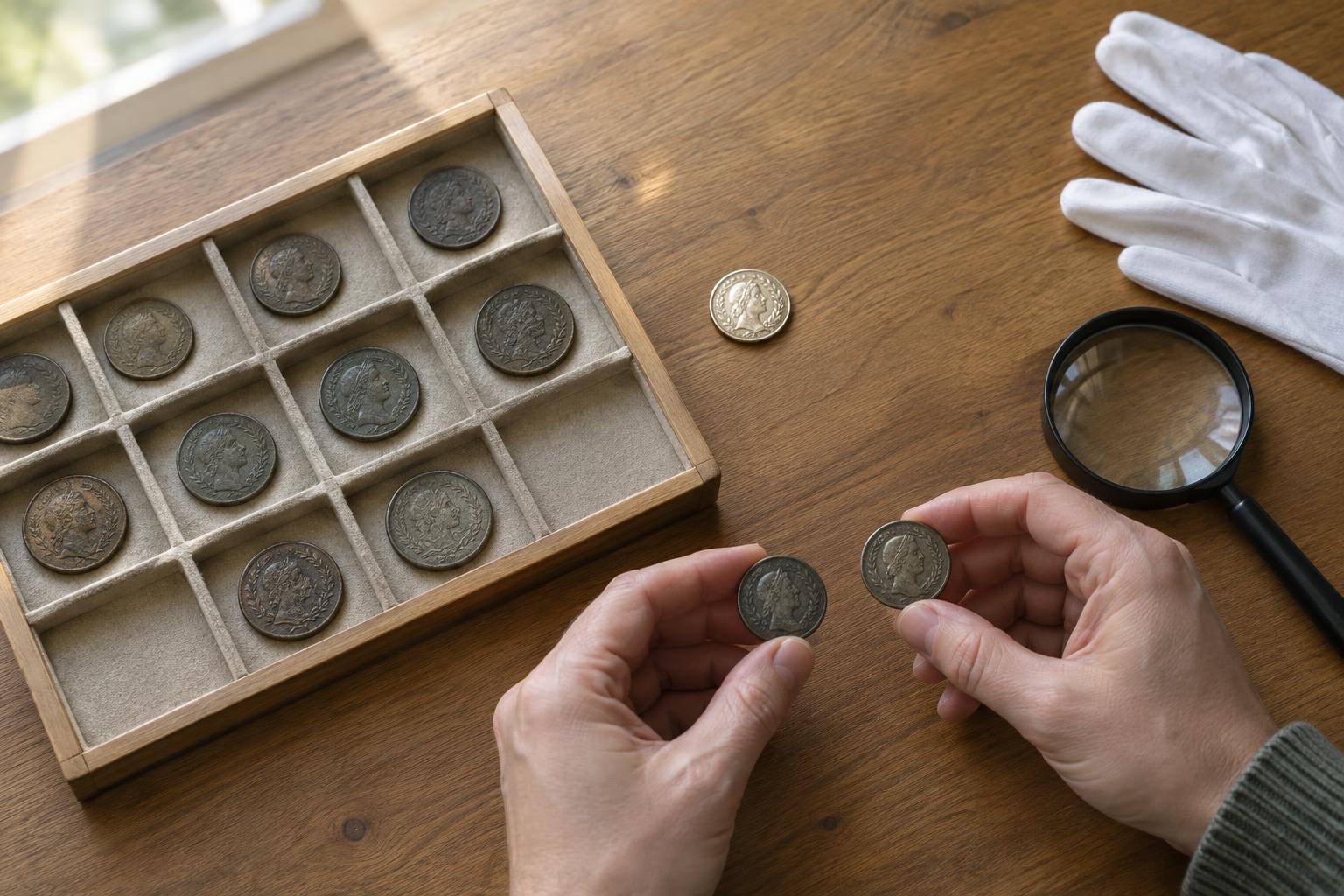
When you have several coins, lay them out safely in their holders and look across the set. Do the designs show roughly the same amount of detail? Does one unusually bright, dark, or damaged coin stand out? A consistent set often comes from paying attention to these visual differences rather than relying entirely on grade labels.
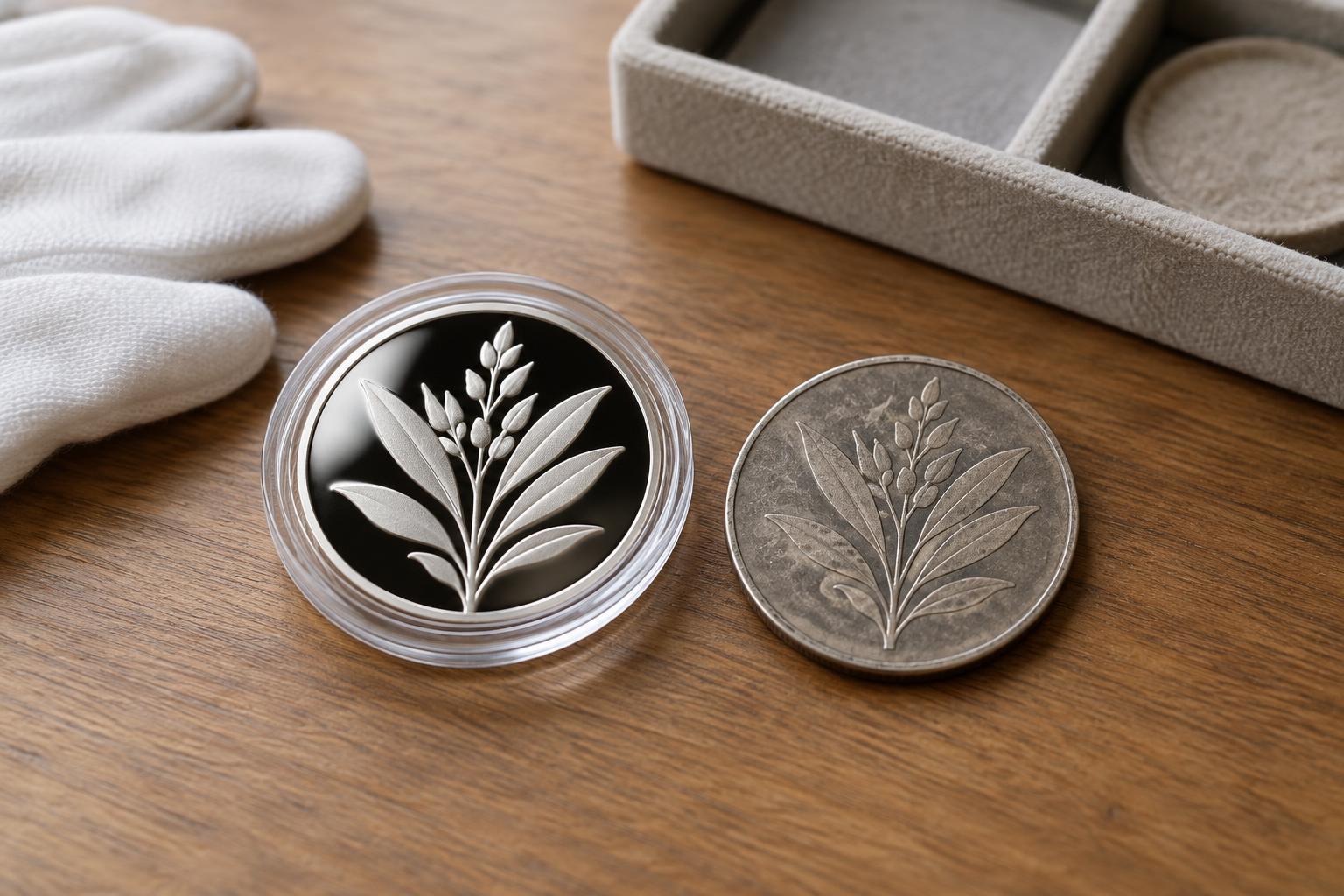
Compare like with like where possible. Some dates or mint marks may show weaker details because of how they were struck, not because they saw more circulation. Lighting and photographs can also change how marks and color appear. Looking closely at the coin itself, when possible, gives you a better basis for judgment than treating any single image or description as definitive.
Avoid trying to make coins match through cleaning or polishing. Those actions can change surfaces permanently and may make a coin less appealing to many collectors. If a piece does not fit your set, replacing it later is usually a better choice than altering it.
Leave room for exceptions and upgrades
A condition target is a guide, not a rule that must prevent progress. You may choose a more worn example of a difficult date as a placeholder, or keep a coin with a personal story even if it looks different from its neighbors. Mark such choices in your checklist so you can distinguish deliberate exceptions from purchases you made in haste.
Revisit the set periodically. If your preferences shift, you can adjust the target rather than replacing everything at once. One collector may decide that even surfaces matter more than sharp detail; another may decide that a wider range of wear makes the set more interesting. Values and availability can vary, so there is no universal condition range that makes a set worthwhile.
The best range is one you understand, can recognize, and enjoy collecting. It should help you pause before buying a coin that does not fit, while still leaving room to appreciate each piece for what it is.