Start with how the coins are made
A circulation coin is made for everyday transactions. Collectors often call a coin struck by the normal production process a business strike, even if that particular coin never enters circulation. A coin found in change may show wear from handling and use; an uncirculated example can still be a circulation-quality strike. These distinctions matter when you compare two coins with the same design.
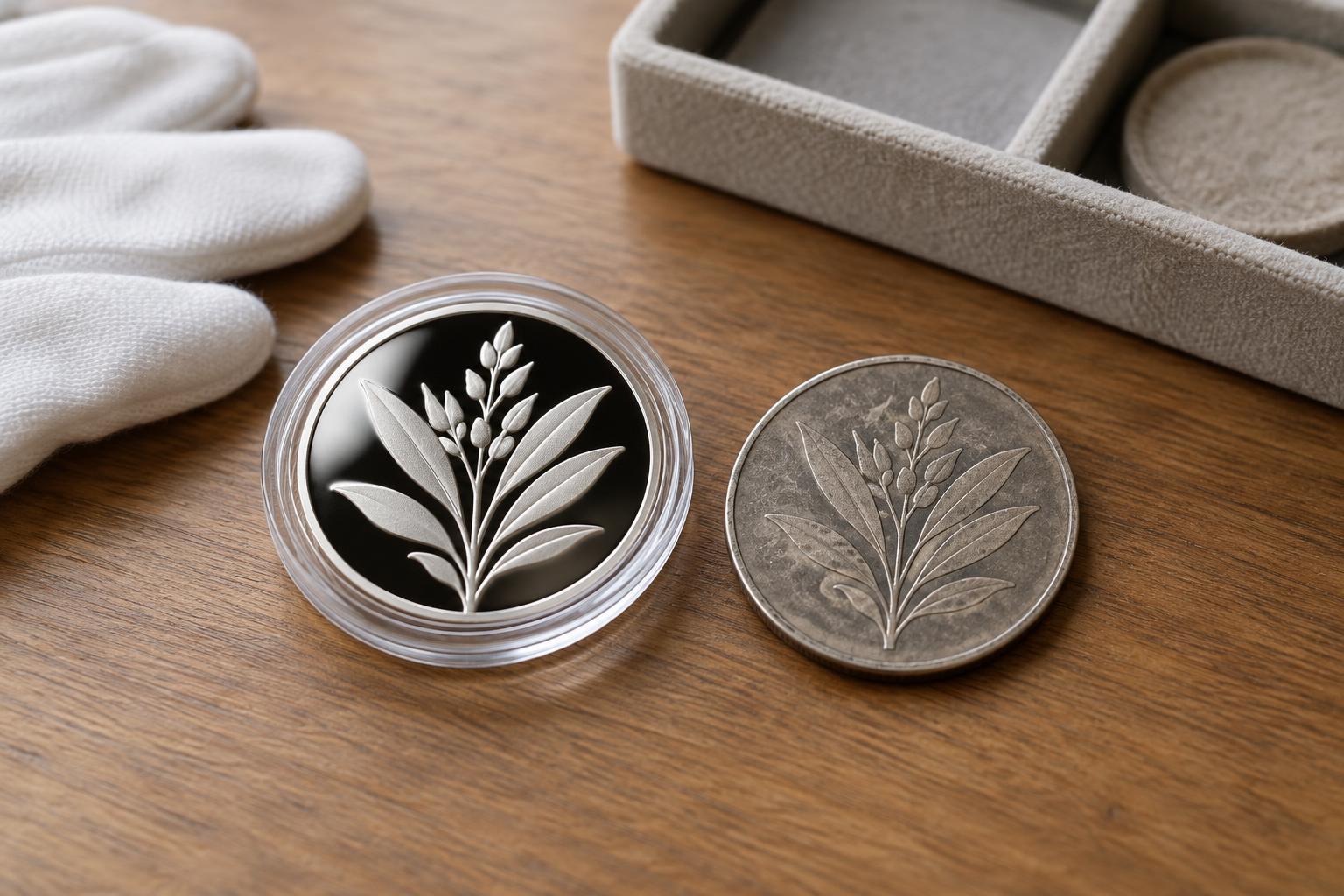
A proof coin is made primarily for collectors, using a process intended to bring out details and create a carefully controlled appearance. Many modern proofs have reflective fields and frosted design elements, though finishes vary by coin and mint. “Proof” describes how a coin was made, not its state of preservation. A proof can acquire fingerprints or scratches, just as a business strike can remain in excellent condition.
Decide what you enjoy looking for
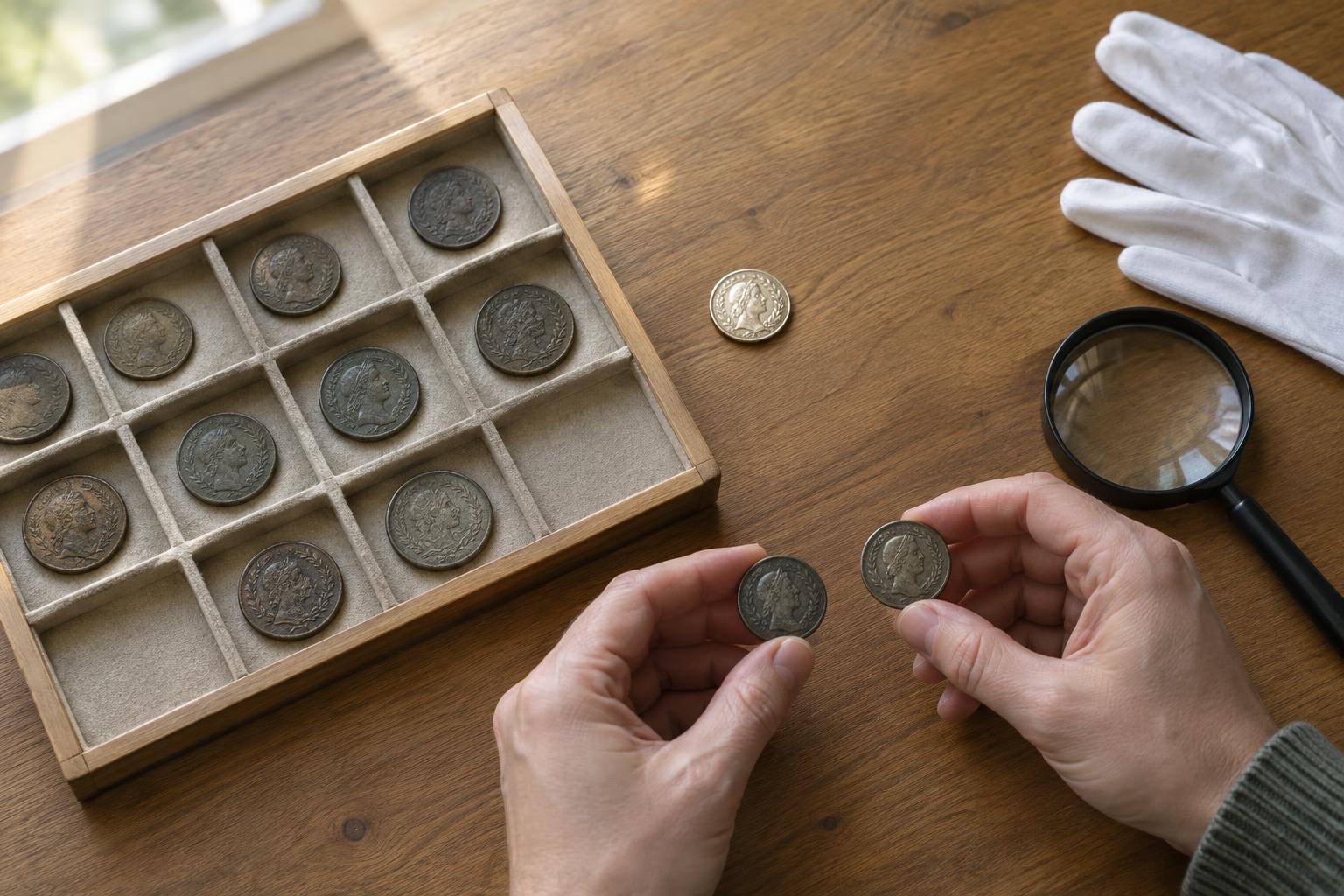
Circulation coins suit collectors who enjoy discovery. You might search pocket change for different dates, designs or mint marks, then gradually fill gaps in a set. This approach makes it easy to begin with coins already on hand. It also encourages close observation: small design changes, signs of wear and the difference between damage and ordinary variation all become part of the experience.
Proofs offer a different pleasure. Their deliberate finish can make a familiar design look striking, and a proof set may provide a convenient way to collect several coins from one issue. If you prefer choosing a well-presented example over searching through many coins, proofs may appeal to you. Neither approach is more legitimate. A collection built from change can be as thoughtful as one built from carefully selected proofs.
Compare costs without assuming future value
Circulation coins can be inexpensive to start collecting, especially when you keep examples found in change. Seeking particular dates or especially well-preserved examples may cost more, however. Proofs are usually obtained as collector products or through other collectors and sellers, so they often carry a cost beyond the coin’s face value. Packaging, condition, demand and availability can also affect what someone asks or pays.
Before buying, decide what a coin adds to your collection and what you are comfortable spending. A higher purchase price does not guarantee that a coin is scarce, desirable to others or likely to rise in value. If a listing uses terms such as “rare” or “perfect,” check what is actually being offered. Compare the stated date, mint mark, finish and condition with your collecting goal rather than relying on the label alone.
Plan for handling and storage
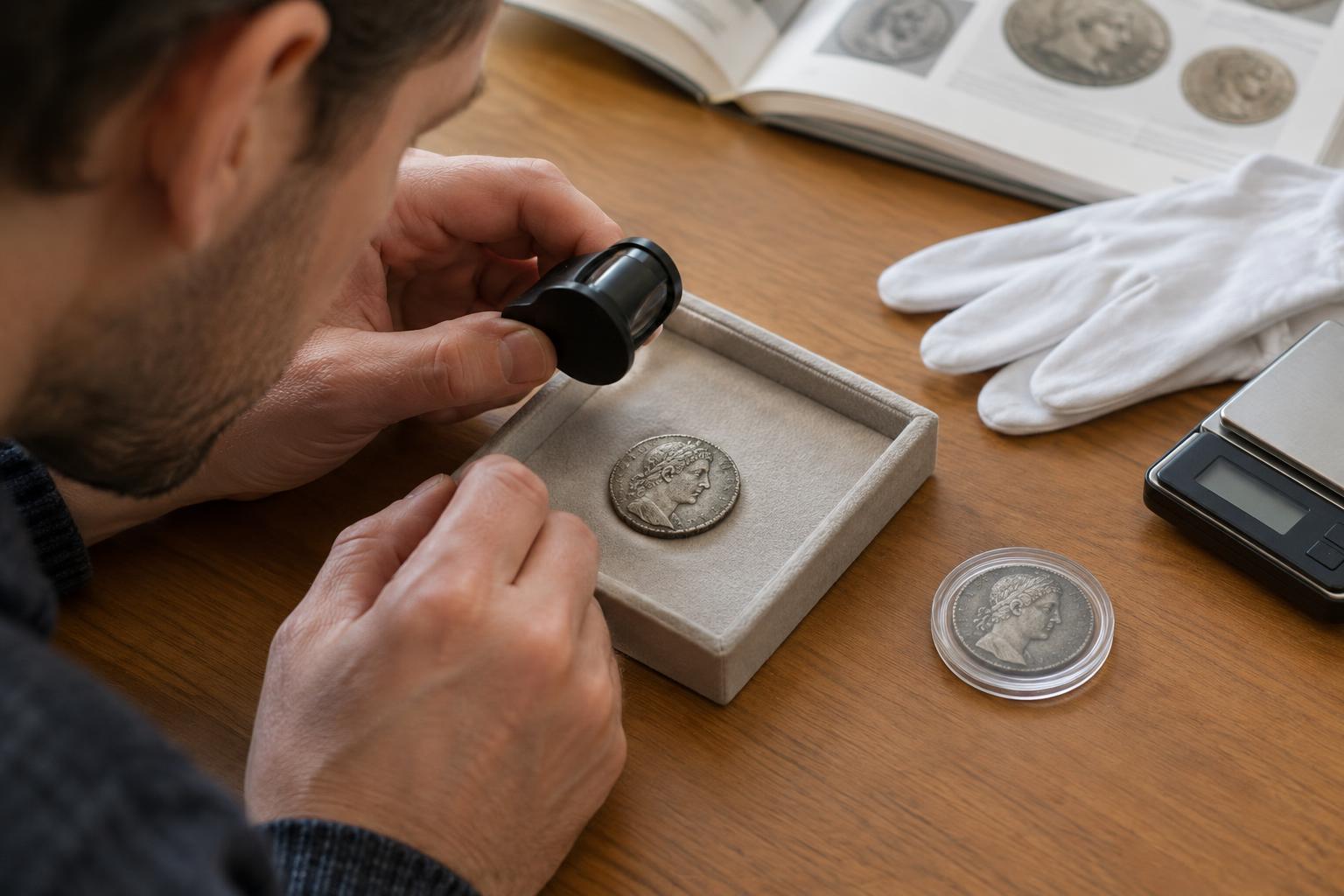
Proof surfaces can show fingerprints and fine marks readily, making careful handling especially important. Leave a proof in its original protective holder when practical. If you must handle an unprotected coin, hold it by the edges over a clean, soft surface. Avoid rubbing or polishing any coin: attempts to improve its appearance can leave permanent marks.
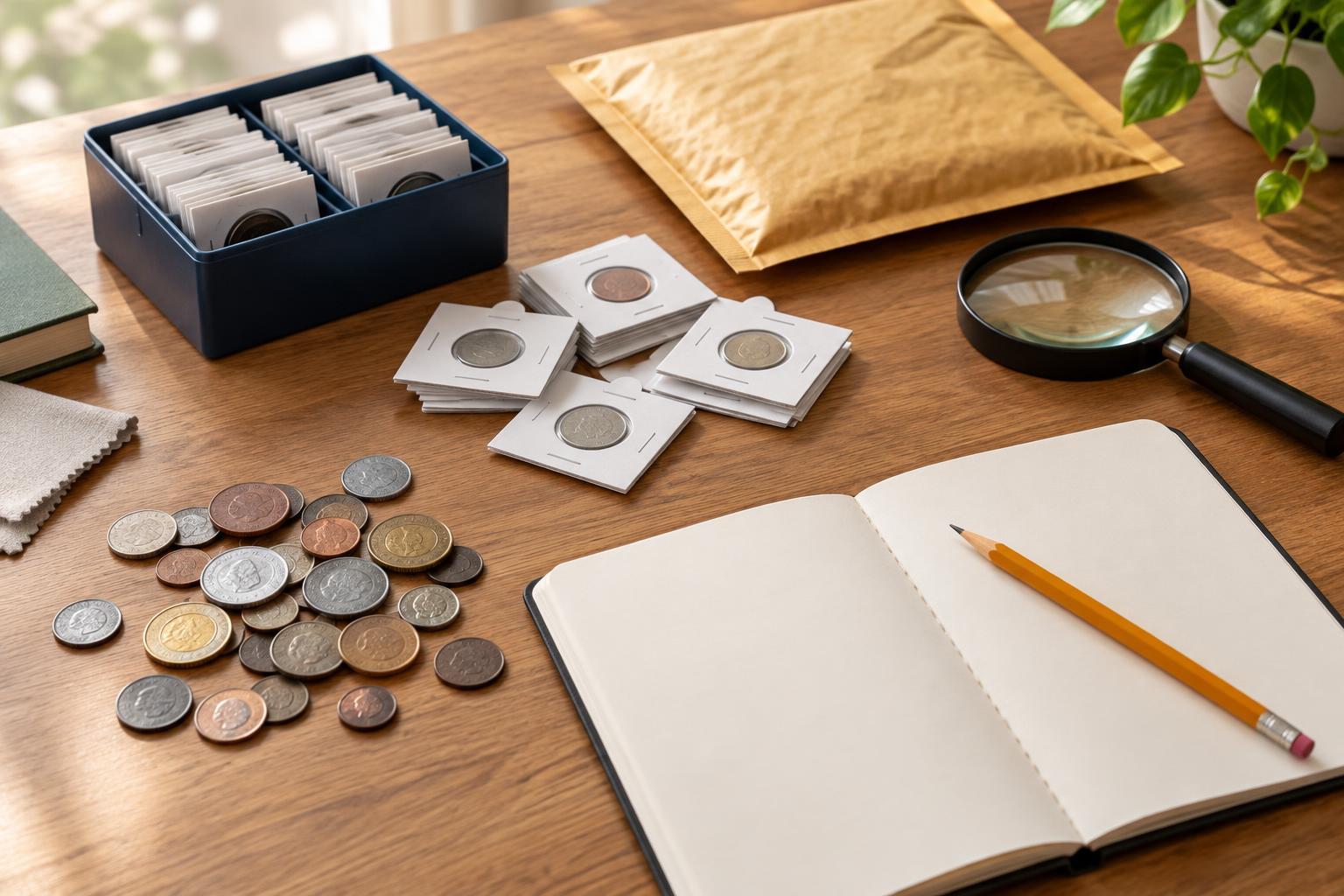
Circulation coins also benefit from sensible storage, whether they are well-worn finds or uncirculated examples. Choose holders made for coins, keep the collection dry and avoid materials that may react with metal over time. Labeling holders or keeping a simple inventory can prevent mix-ups. Record the coin’s date, mint mark, finish, where you obtained it and any visible condition issues you want to remember.
Build a collection that can change with you
You do not have to commit to only one type. You could collect circulation coins by date and add a proof when its finish helps you appreciate the design. Alternatively, you could focus on proof sets while saving an ordinary coin from change as a comparison. Placing the two side by side can reveal how striking method, finish and wear shape what you see.
For a manageable start, choose a single design, denomination or theme and set a modest goal. Learn which finishes were issued for the coins you want, then note what you already own before buying more. As your interests develop, you can narrow or broaden the collection. The better choice is the one that keeps you curious and gives each addition a reason to belong.