Start with a collecting goal, not a shopping list
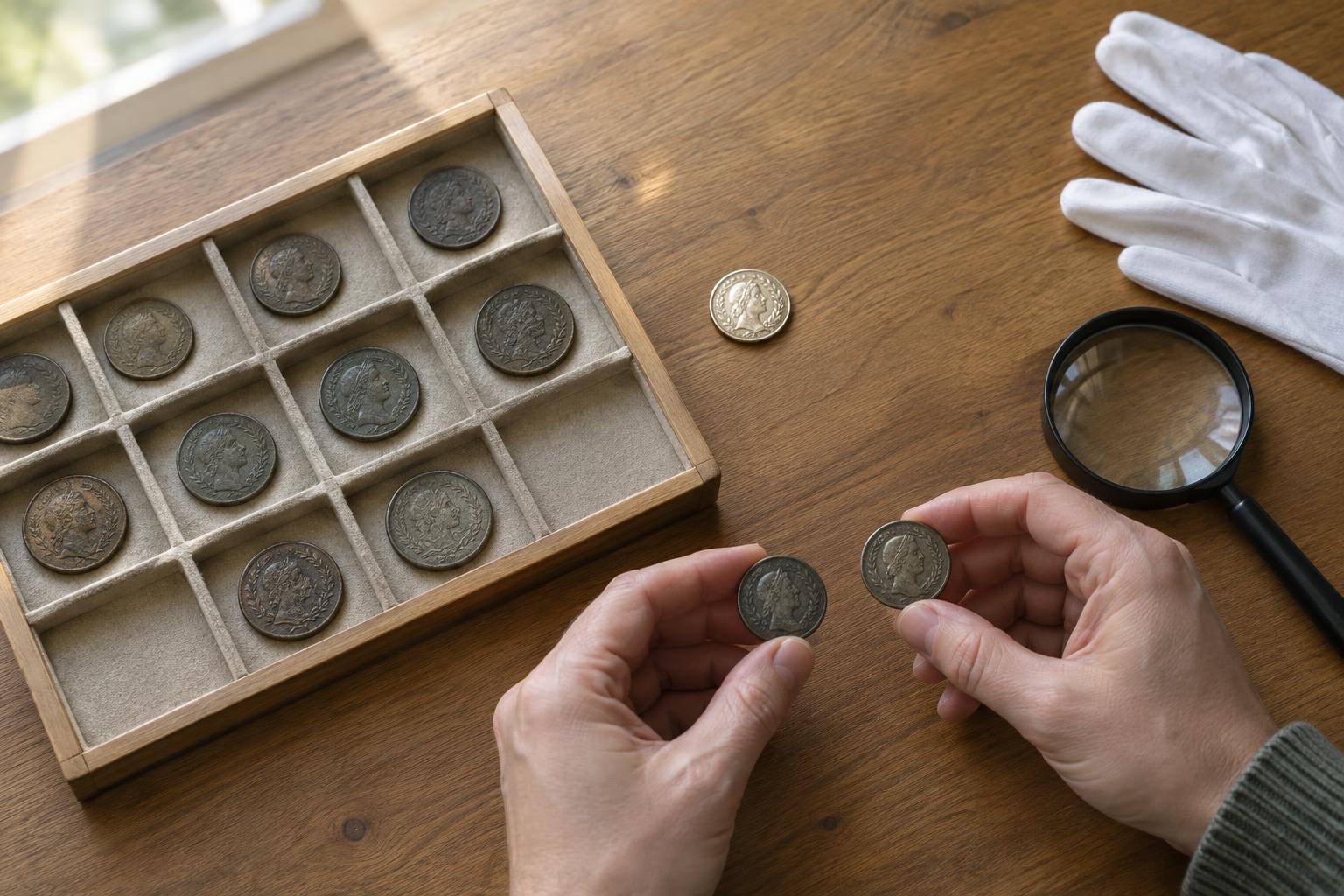
A budget is easier to use when you know what you want to collect. You might focus on one coin series, coins with a particular design, or an affordable type set that represents several kinds of coins. A narrow goal gives you a reason to pass on appealing coins that do not fit. It also helps you decide whether to save for a harder-to-find example or enjoy finding more common pieces.
Choose an amount you are comfortable setting aside for the hobby after your ordinary needs are covered. Treat it as a spending limit, not a target you must reach. Prices and availability can vary, so a flexible monthly or annual limit may be more useful than a plan based on buying a specific coin every month. Leaving some of the amount unspent gives you room to act when a coin you have been seeking appears.
Calculate the full cost of adding a coin
Before buying, look beyond the price on the label or listing. Depending on where and how you shop, the total may include sales tax, shipping, insurance, payment-related charges or a buyer’s premium at an auction. A low-priced coin can become less appealing once those costs are included. For an online purchase, check the final total and the return terms before committing; for an auction, find out how the premium is calculated before setting your maximum bid.
It helps to decide on an all-in limit for each purchase. If you are willing to spend a certain amount to add one coin, the coin price must fit within that amount along with any unavoidable charges. You can then compare purchases on a more consistent basis. This approach also makes it easier to resist stretching your budget for a coin whose asking price already reaches your limit.
Give supplies and learning their own place in the plan
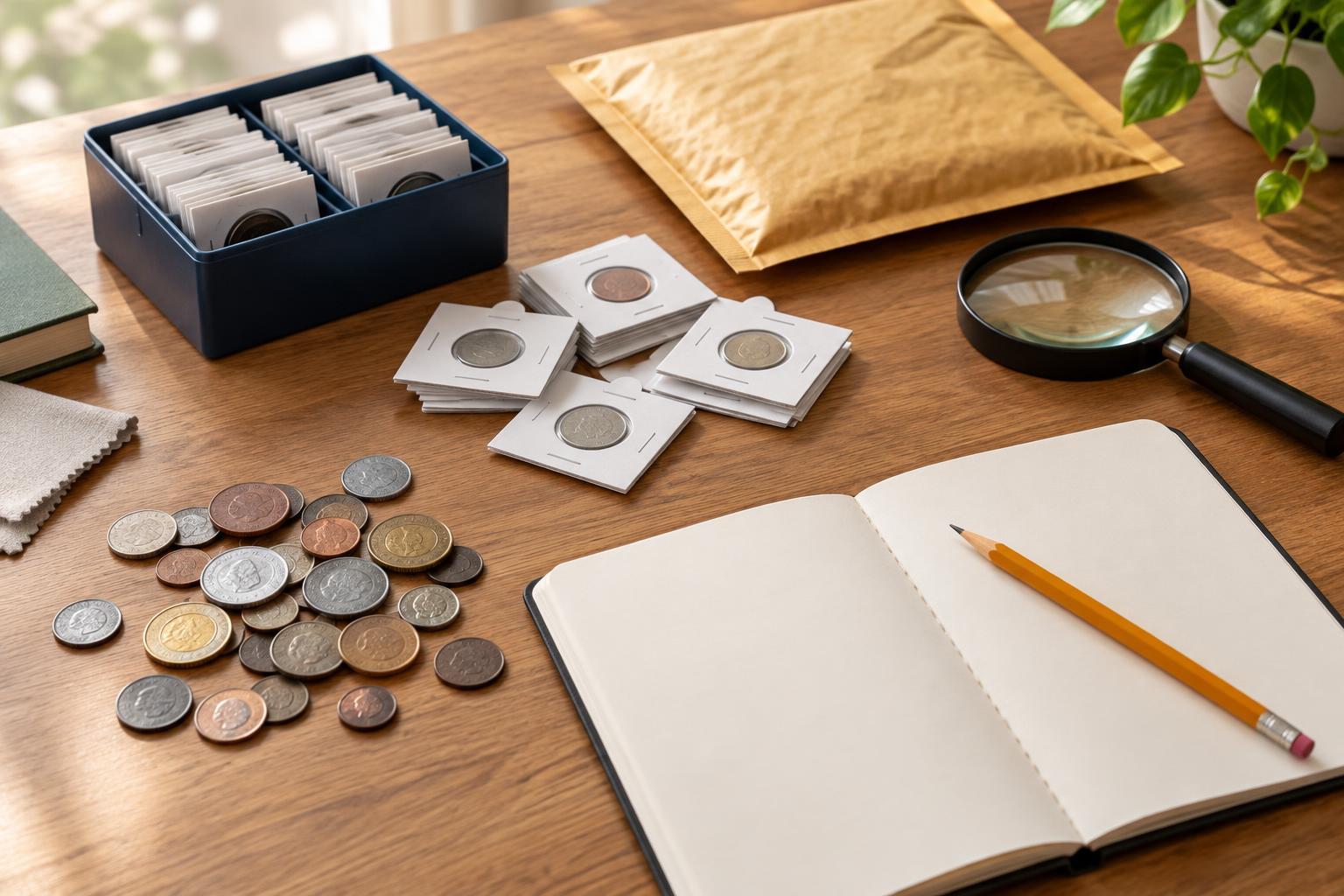
Coins need somewhere suitable to live once they arrive. Holders, albums, boxes and labels may all cost money, especially as a collection grows. Choose storage materials intended for coins, and allow space in the budget to replace damaged holders or expand your storage gradually. Buying a large album before you have settled on a collecting focus may tie up money you would rather use elsewhere.
Reference books, catalogues or educational memberships can be useful expenses too. They may help you learn terminology, recognize varieties and think more carefully about condition. You do not need to buy every resource at once. Start with what supports your current goal, and consider whether a library or local coin club offers a way to explore a subject before purchasing a book. The point is to count learning costs as part of collecting, rather than treating them as surprises.
Plan separately for occasional expenses
Some costs are irregular. A trip to a coin show might involve admission, travel, parking or a meal, even if you buy no coins. If you expect to attend shows, set aside an amount for the visit as well as a separate amount for purchases. That distinction makes it easier to enjoy looking and learning without feeling obliged to bring something home.
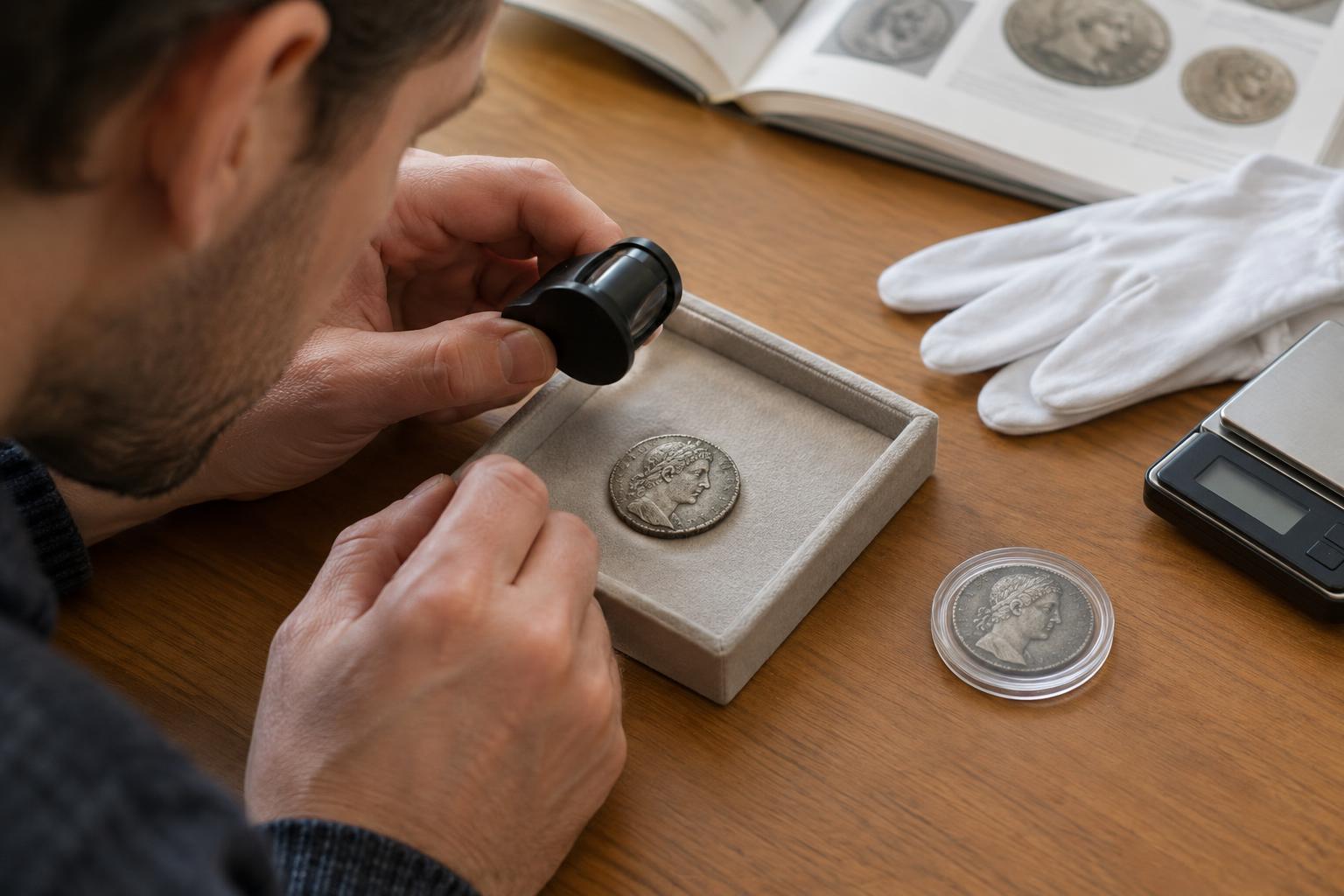
Professional authentication or grading can be another optional expense. Fees, shipping and insurance may outweigh the benefit for an inexpensive coin, while the service may be worth considering for a coin whose identity or condition matters to your collecting goal. Build these costs into your decision before submitting a coin, rather than assuming the service will increase its value. Coin values can change, and a grade or holder does not guarantee a particular resale price.
Keep a simple record and adjust as you go
A notebook or spreadsheet can show whether your plan matches what you actually spend. For each acquisition, record the coin, its purchase price and the extra charges that brought it into your collection. Keep supplies, events and services in separate categories. You do not need a complicated system: a clear record of total hobby spending is more useful than a detailed one you stop maintaining.
Review the record from time to time. If shipping repeatedly takes a large share of your budget, you might wait and combine purchases when doing so makes sense, or look for coins closer to home. If supplies cost more than expected, pause acquisitions until your existing coins are stored appropriately. A collecting budget should help you make choices, not take the pleasure out of the hobby. By allowing for both coins and the costs around them, you can build a collection at a pace that works for you.