Why a coin’s edge mattered
For much of coinage history, the metal in a gold or silver coin was central to its value. A coin’s design identified the issuing authority and stated its denomination, but its weight and metal content also mattered to people accepting it. Removing even a small amount of precious metal could therefore make a coin worth less in metal than an intact example, while leaving its faces recognizable.
Coin clipping was the practice of cutting or shaving metal from a coin’s outer edge. Someone might take a little from many coins rather than a great deal from one, collecting the removed metal while trying to keep each altered coin in circulation. The loss was not always obvious at a glance, especially when a coin already had an irregular outline. That made the edge an important place to look for evidence of tampering.
The challenge of hammered coins
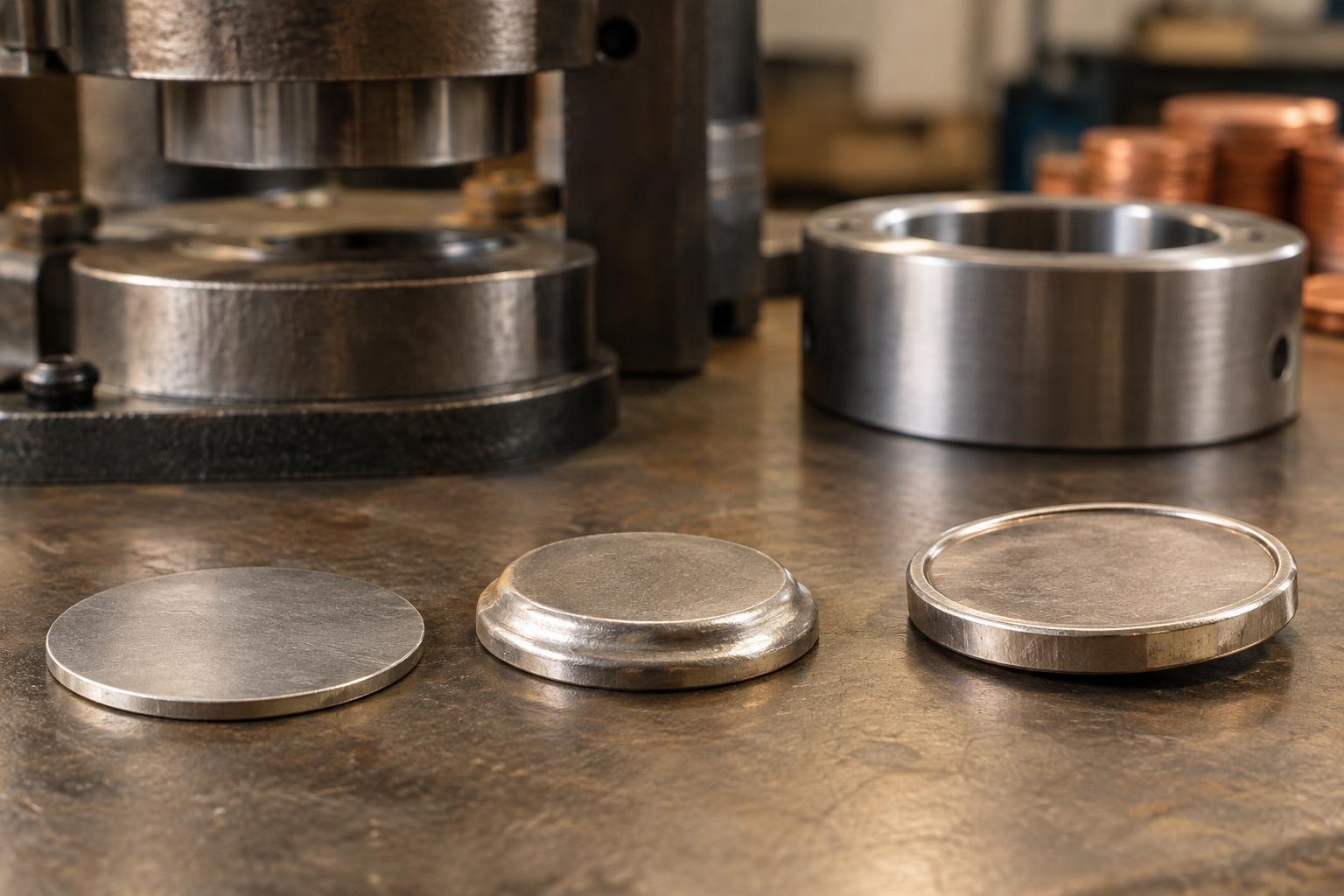
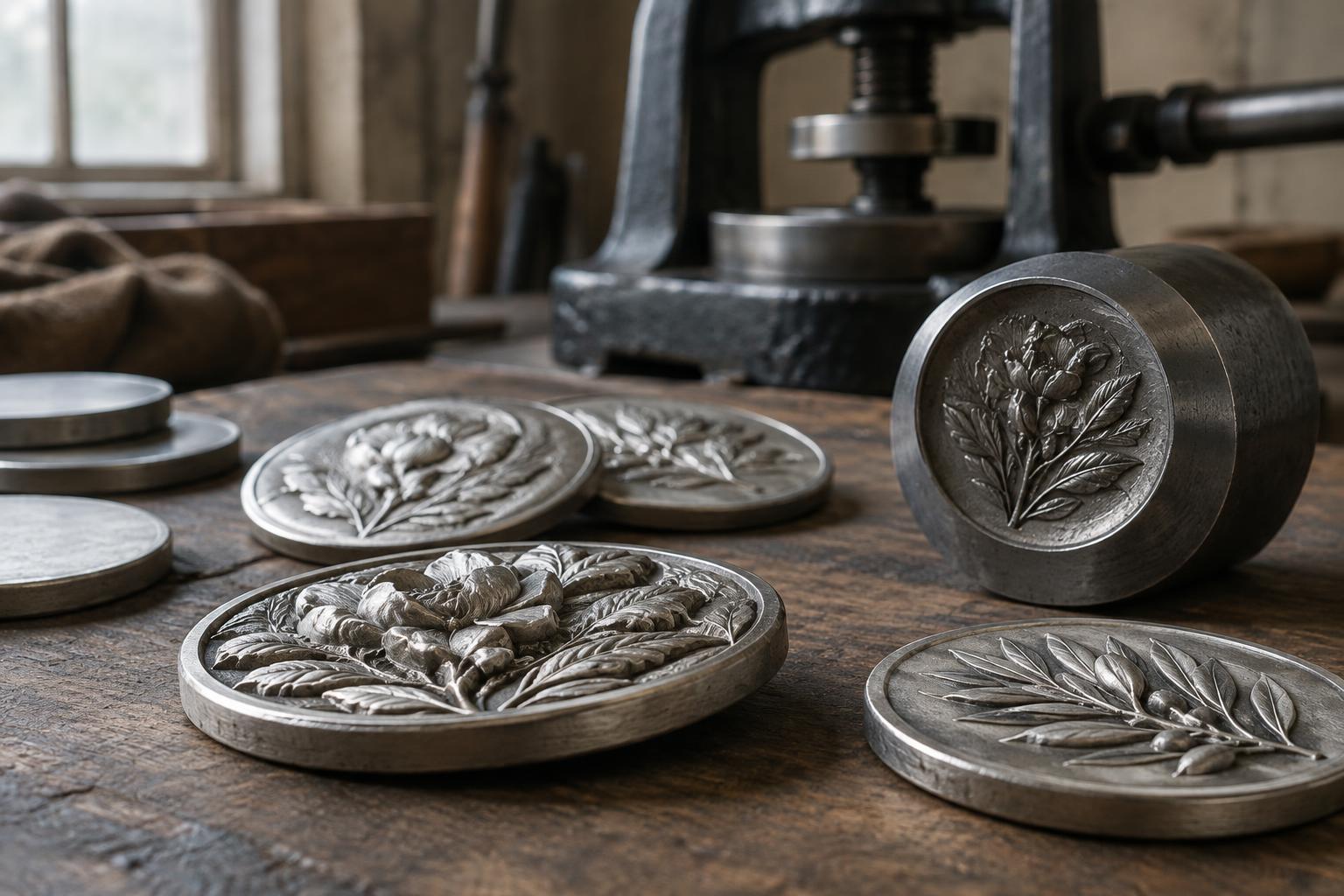
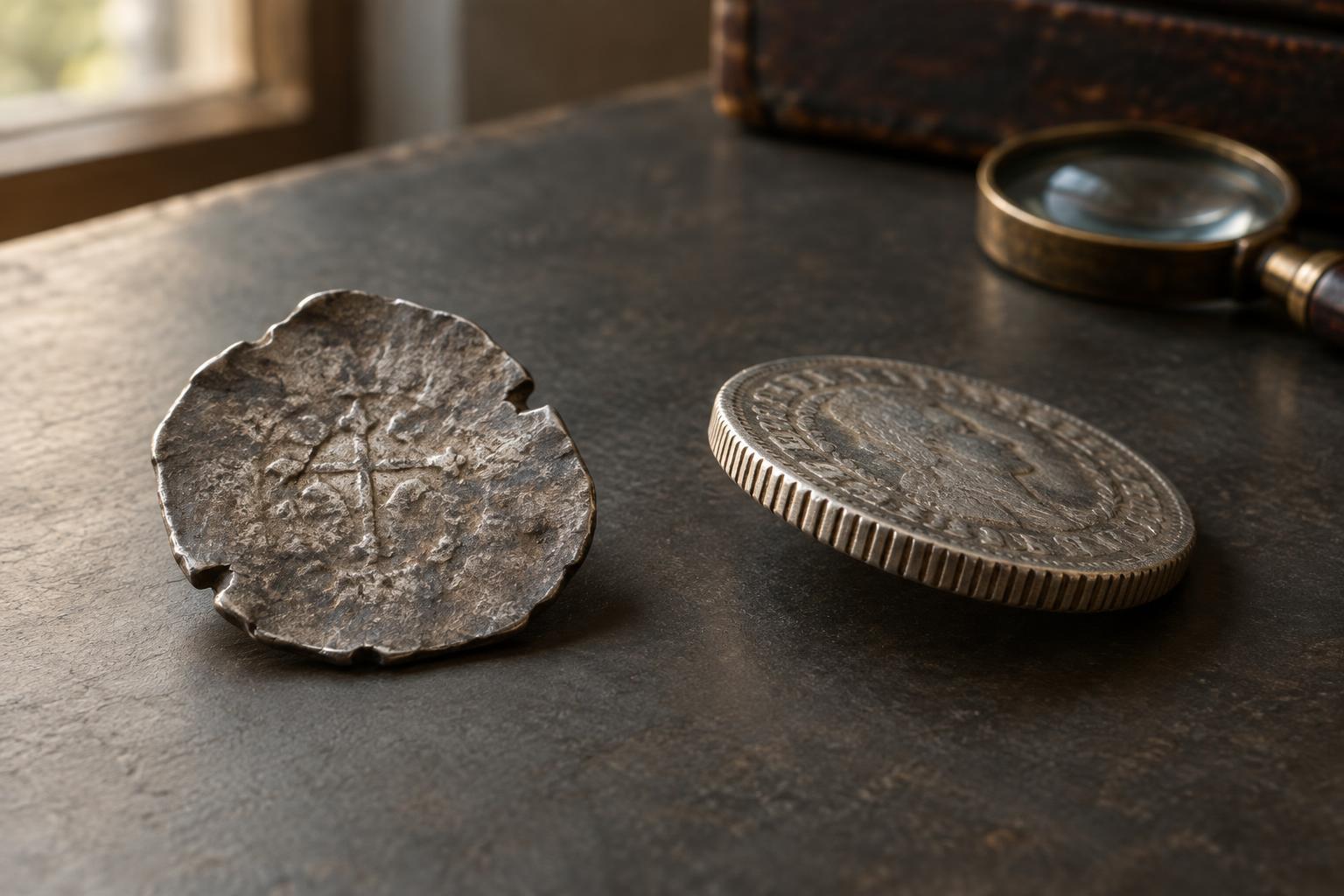
Many older coins were made by placing a prepared metal blank between dies and striking it by hand. These hammered coins could vary in shape, thickness, and the centering of their designs. A design struck off-center might leave a broad blank area on one side and bring part of the design close to the edge on the other. Such variation did not mean a coin had been clipped, but it could make a missing sliver of metal harder to recognize.
People had ways to check suspect coins. They could compare them with other examples, examine how much of the design remained, or weigh them. None was a perfect test on its own: circulation wore metal away naturally, coins could differ in their original manufacture, and a damaged coin might resemble an altered one. Clipping was one reason authorities sought more consistent coins, alongside broader concerns about reliable weight, recognizable designs, and confidence in payments.
What milled edges changed
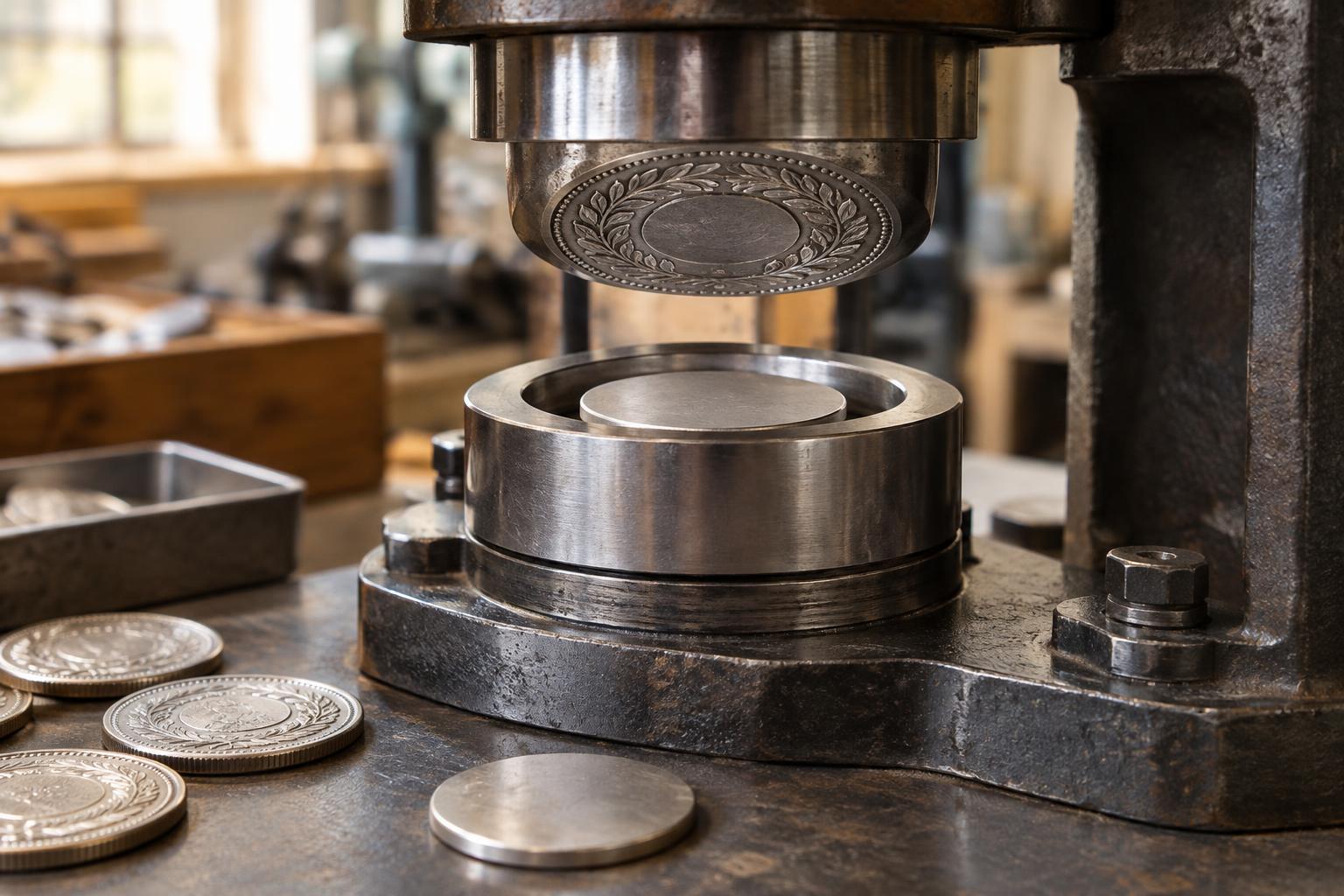
As minting machinery developed, mints gained better control over the shape and striking of coins. The term “milled coin” generally refers to a machine-made coin, while “milled edge” is often used more loosely for an edge bearing a regular feature, such as closely spaced grooves. Collectors usually call those grooves reeds. Other coins have edge lettering or patterns instead, and many legitimate coins have plain edges.
A regular edge gave people a useful visual check. If someone cut metal from a reeded coin, the removal could interrupt or erase the reeds. Edge lettering could serve a similar purpose: an altered section might disturb the inscription. These features did not make clipping impossible, but they made some forms of it easier to detect. Machinery also helped mints produce coins with more consistent dimensions, making comparisons and weight checks more useful.
The change was gradual, not a single invention that immediately ended clipping everywhere. Different mints adopted equipment and edge treatments at different times, and older coins could continue to circulate beside newer ones. An edge design was one part of a wider effort to make coins more uniform and harder to alter unnoticed.
Reading an old coin today
For a collector, a rough or incomplete edge raises a question rather than providing an instant answer. A coin may have been clipped, but it may instead show an irregular original strike, long circulation wear, or later damage. Look at the whole object: Is the outline unusually small? Does the design end abruptly at the rim? Are there fresh-looking cuts, or does the edge appear worn in a way that matches the coin’s faces? Comparison with well-identified examples can help establish what is normal for the type.
It is also worth checking what kind of edge a coin was meant to have. Missing reeds are suspicious only if the coin originally had reeds. Handling a coin by its edge and storing it so that the edge is protected can help preserve the evidence it carries. Far from being a minor finishing detail, the edge tells a story about how coins were made, trusted, used, and sometimes altered.