What relief means on a coin
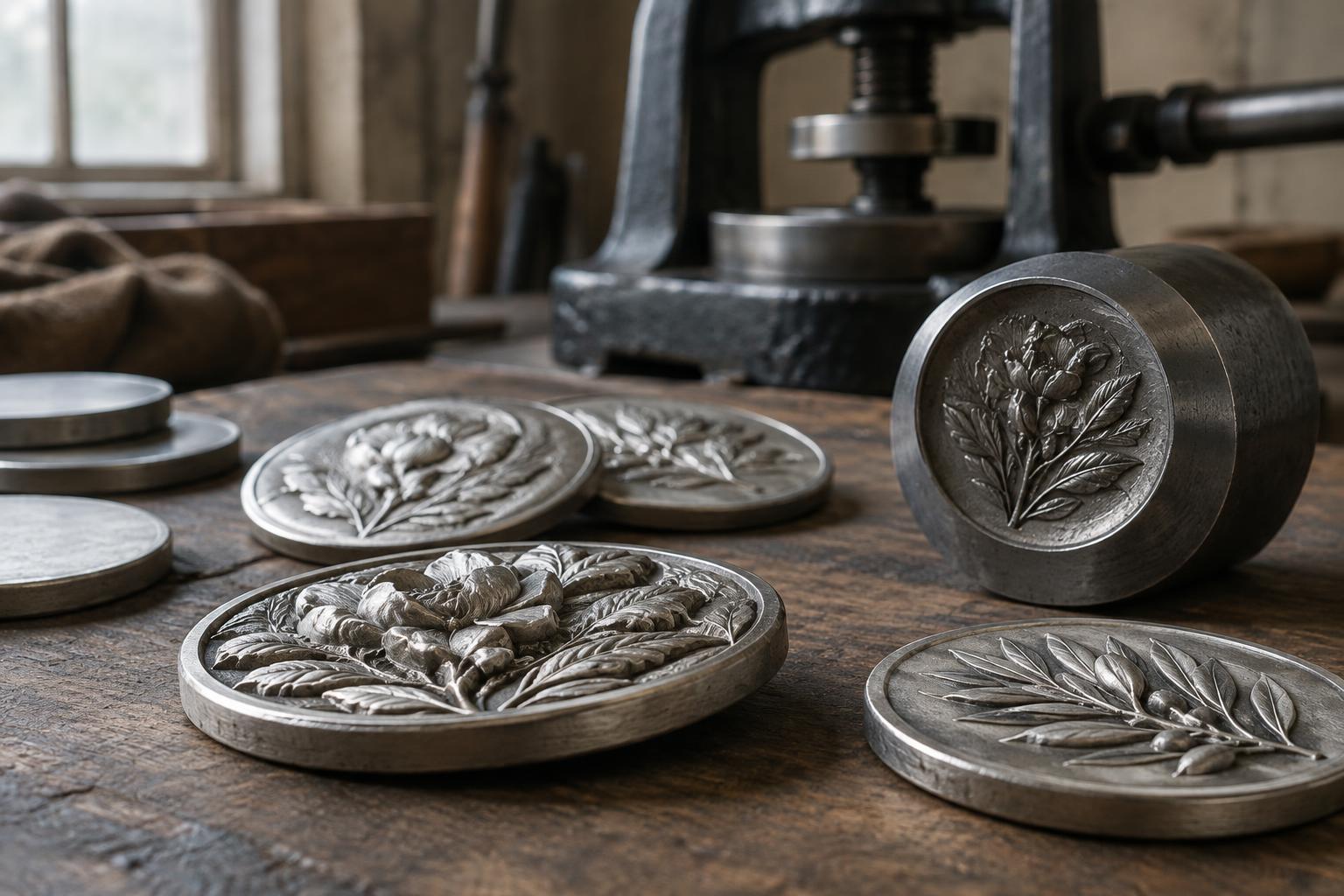
Relief is the height relationship between the raised parts of a coin’s design and the lower surrounding surface, often called the field. A portrait, lettering, and other features may stand above the field, while fine lines within them create additional changes in height. On a finished coin, those differences help light and shadow make the design readable.
It helps to distinguish relief from detail. A design can have many fine details without projecting far above the field. Another can have broad, smoothly modeled features that rise more dramatically. Collectors often call the latter high relief, though the term is relative: a coin described as high relief stands out compared with coins of a more conventional design or format.
Coins are made to be handled, stacked, and produced consistently. A strikingly sculptural design may look appealing, but its shape must also be transferred onto metal within the limits of the minting process. That is where relief becomes a practical concern as well as an artistic choice.
How a strike forms raised details
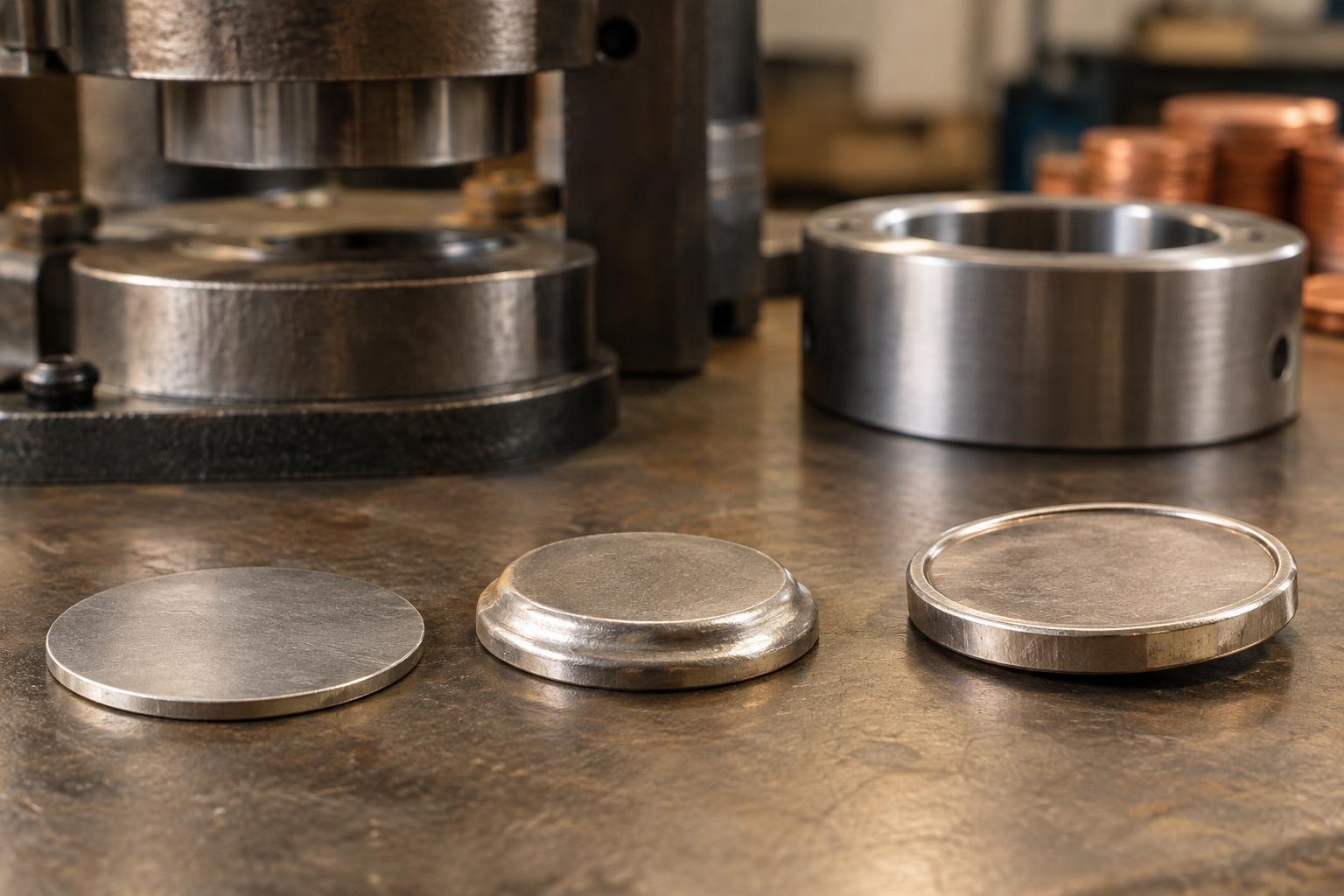
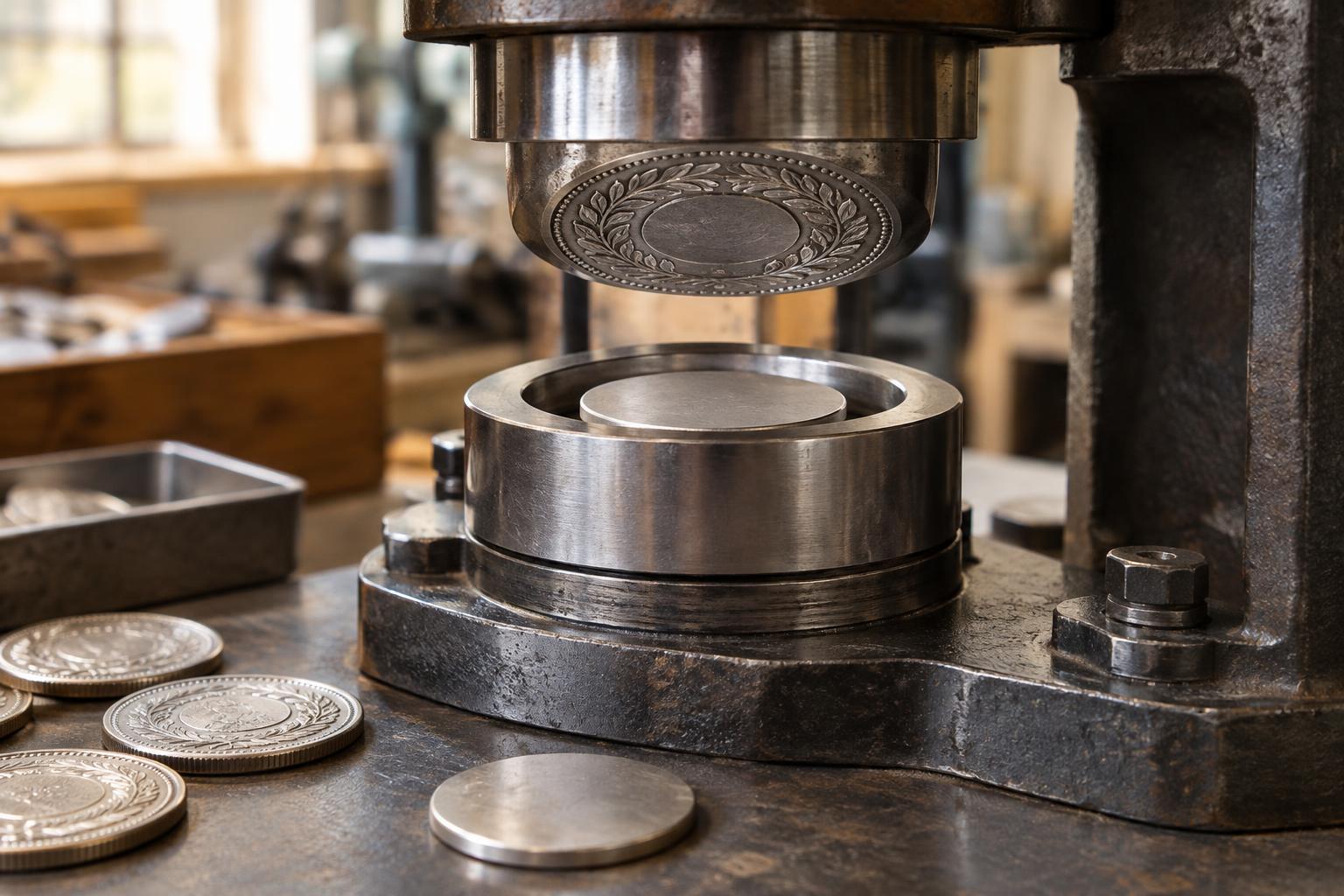
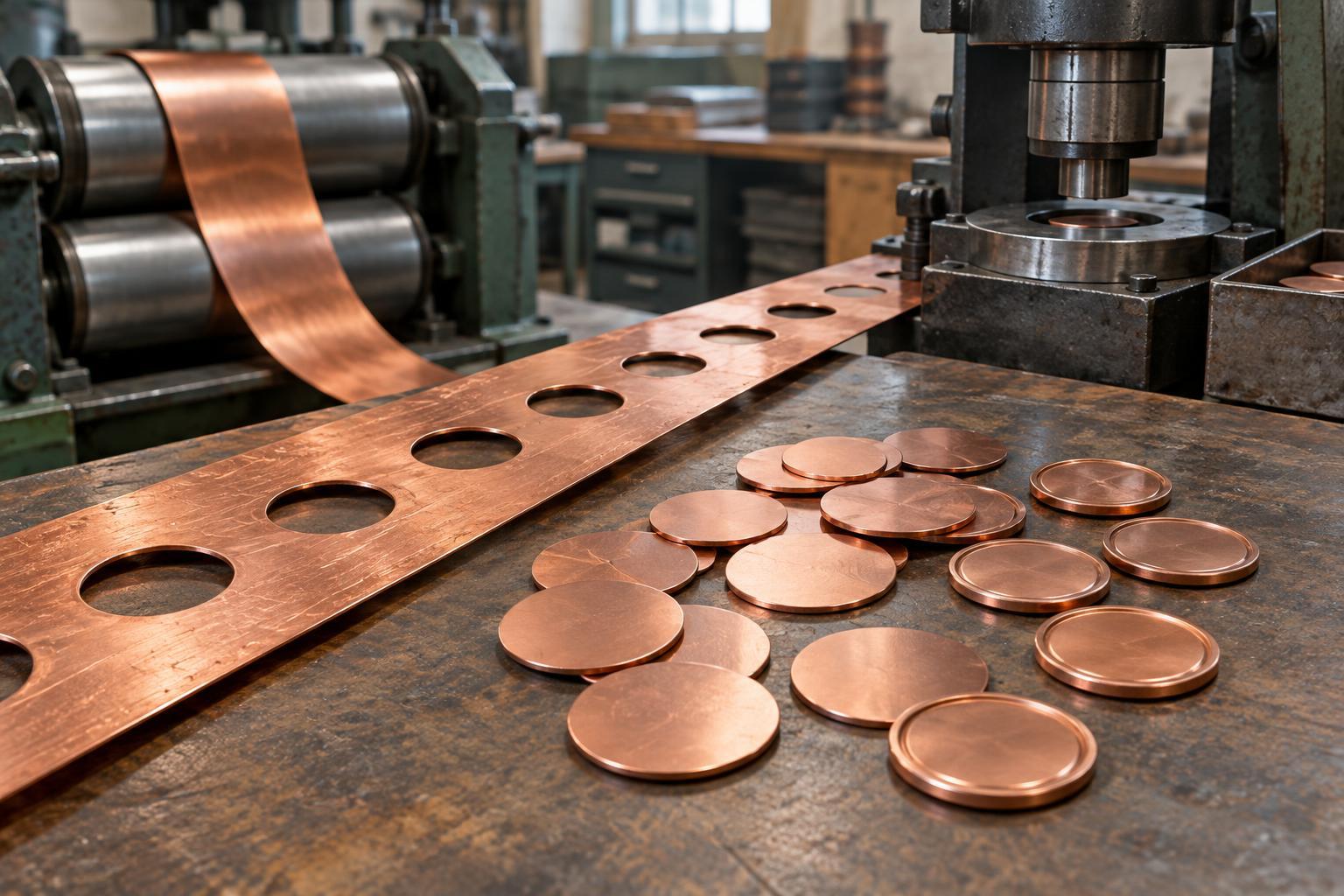
A coin begins as a prepared metal blank, commonly called a planchet. During striking, dies press the design into it. The parts of the die that form raised features on the coin are recessed, so metal must flow into those spaces. A retaining collar commonly helps shape the edge and keep the metal within the coin’s intended diameter.
This movement is not equally easy everywhere. Metal has to fill small recesses, broad deep recesses, and features near the edge while pressure is applied. The planchet’s metal, thickness, preparation, and the die design all affect how readily the design fills. As a result, the same general design may be easier or harder to strike under different production conditions.
Relief also involves a balance across both sides of a coin. A prominent feature on one side may sit opposite another area that needs metal to flow into a die recess. If a design asks a limited amount of metal to fill demanding shapes on both sides, achieving consistently sharp results can become more difficult.
Why higher relief can be challenging
Higher relief generally asks the metal to move farther into deeper die recesses. If those recesses do not fill completely, the resulting feature may look flatter or less distinct than intended. Broad raised areas can pose a different challenge from thin lines: there is more volume to fill, even if the finished surface appears simple.
Minting choices can help. Depending on the coin and production method, a mint may adjust the design’s depth or contours, change striking conditions, or use more than one blow to bring out detail. These approaches have trade-offs involving equipment, die life, production speed, and the appearance of the finished coin. There is no single relief height that suits every design or every type of coin.
This is one reason many coins intended for regular circulation have comparatively restrained relief. Their designs need to remain legible while being made in large quantities and holding up to everyday contact. A coin made with special production methods may allow a more pronounced sculptural effect, but high relief alone does not guarantee a sharp or attractive strike.
Weak strike, wear, and damage are different
A weak strike is a detail that did not form fully when the coin was made. Wear happens later, as raised surfaces lose definition through handling or circulation. Damage is a separate, often localized change caused by an impact, scrape, or other event. All three can make part of a coin look indistinct, so one soft area is not enough to identify the cause with certainty.
When examining a coin, look at the whole surface rather than only its highest point. Are details in nearby protected areas still crisp? Do the soft features occur in places where the design would have been difficult to fill? Is there flattening across exposed high points, or an obvious disruption such as a scrape? Comparing the coin with clear examples of the same design can help, provided differences in production and condition are kept in mind.
Avoid assuming that every softly struck coin is unusual or that a sharper example must be more valuable. Collectors may care about strike quality, but appeal and value depend on the coin, its condition, and demand. For a beginner, the first goal is simpler: learn to describe what is visible before deciding why it looks that way.
A useful way to study relief
To see relief more clearly, place a coin under a steady light and gently change the viewing angle without touching its faces. Notice which features cast shadows, where the fields meet the raised design, and whether fine details sit within larger raised shapes. Compare several coins if you can. Even familiar portraits and lettering can reveal different approaches to modeling depth.
Relief connects the artist’s drawing to the physical act of minting. Looking for that connection makes a coin more than a picture stamped on metal: it becomes a small object shaped by design decisions, material, and production limits. The next time a detail appears unusually bold or unexpectedly soft, relief gives you a useful place to begin asking why.