Start with the coin’s basic identity
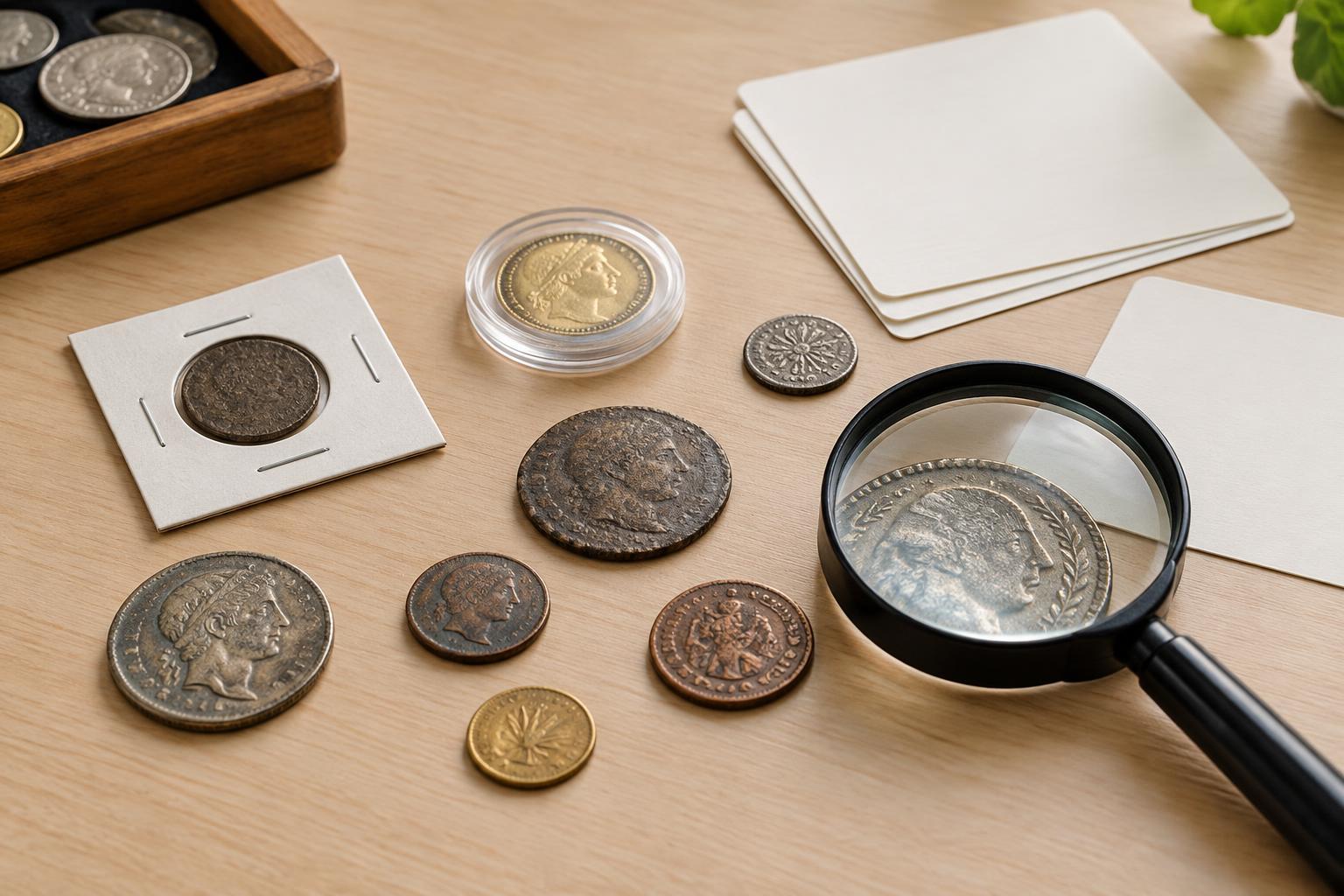
Before deciding whether a coin is a type or a variety, identify its country or issuing authority, denomination and date, if one is present. Look at both sides for inscriptions, portraits, symbols and a mintmark. These details give you a starting point for comparison. A coin’s denomination tells you what it was issued to represent; its date and mintmark, when present, help identify a particular issue.
Collectors also describe a coin’s condition, but condition is separate from its identity. Two coins can be the same date, mintmark and variety while showing very different amounts of wear. Likewise, a scratch or stain may make one example look unusual without making it a distinct variety.
What is a coin series?
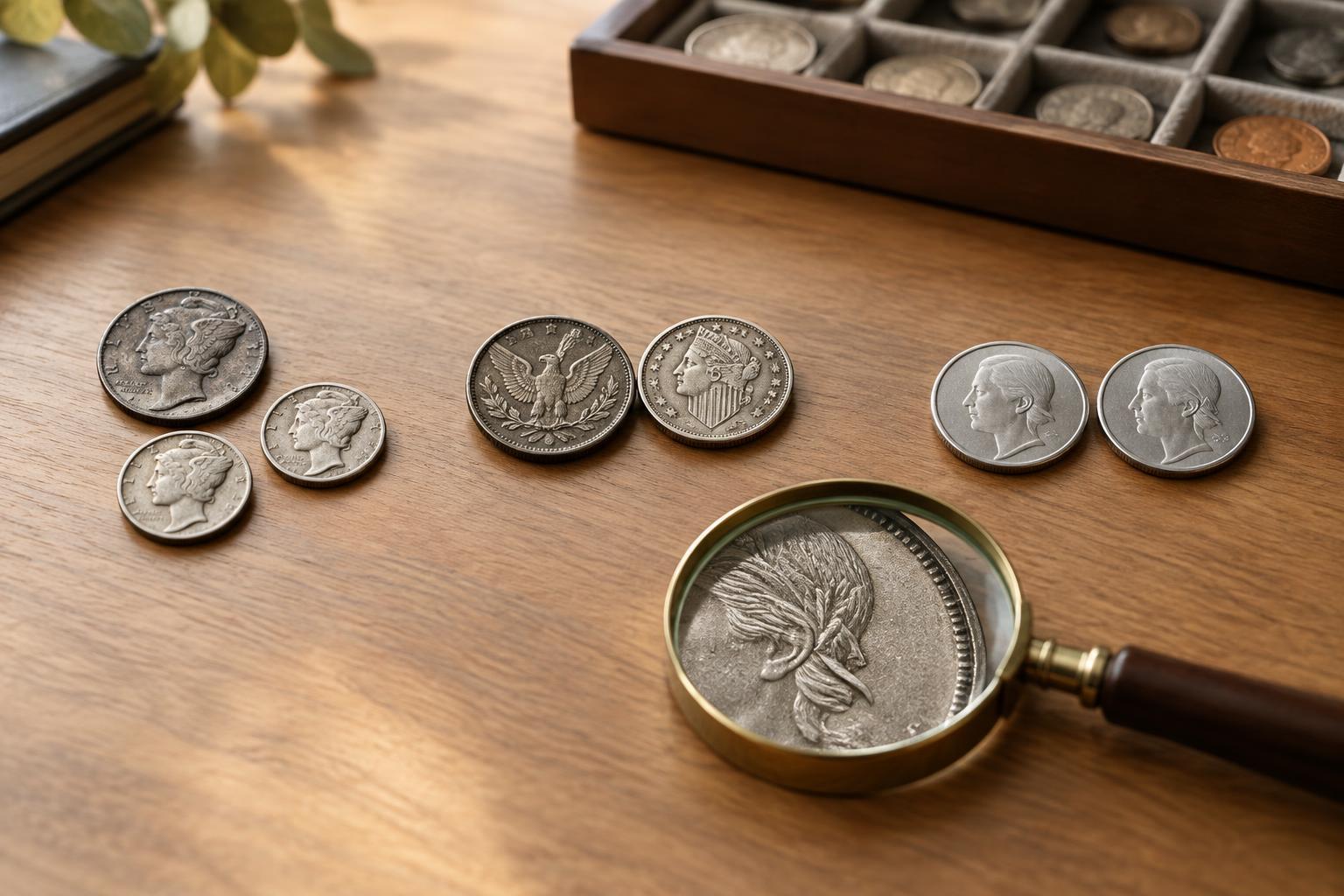
A series is a connected group of coins that collectors study or assemble together. It often consists of one denomination with a continuing principal design, issued across multiple dates and sometimes at multiple mints. Someone building a series collection might seek one coin from each year, or a separate example for every date-and-mintmark combination.
The boundaries of a series are not always fixed. A major redesign may prompt collectors to treat later coins as a new series, while a smaller change may be included within the existing one. Catalogs and collecting communities may organize the same coins differently. When you see a series name, check which coins the writer includes rather than assuming the name has one universal scope.
What is a coin type?
A type is a recognizable design or design form. Type collecting focuses on showing the range of designs used for a denomination or by an issuing authority, rather than finding every date. A collector might choose one representative coin for each major portrait-and-reverse combination. Depending on the collecting guide, a noticeable change to lettering, a portrait or another design element may be listed as a subtype.
Think of “type” as an answer to the question, “What design does this coin represent?” The answer may be broader than a single issue. Coins of the same type can carry different dates or mintmarks. Conversely, two coins with the same denomination may be different types if their principal designs differ. Because catalogs set their own boundaries, it helps to name the design feature you mean instead of relying only on a type label.
What makes a variety different?
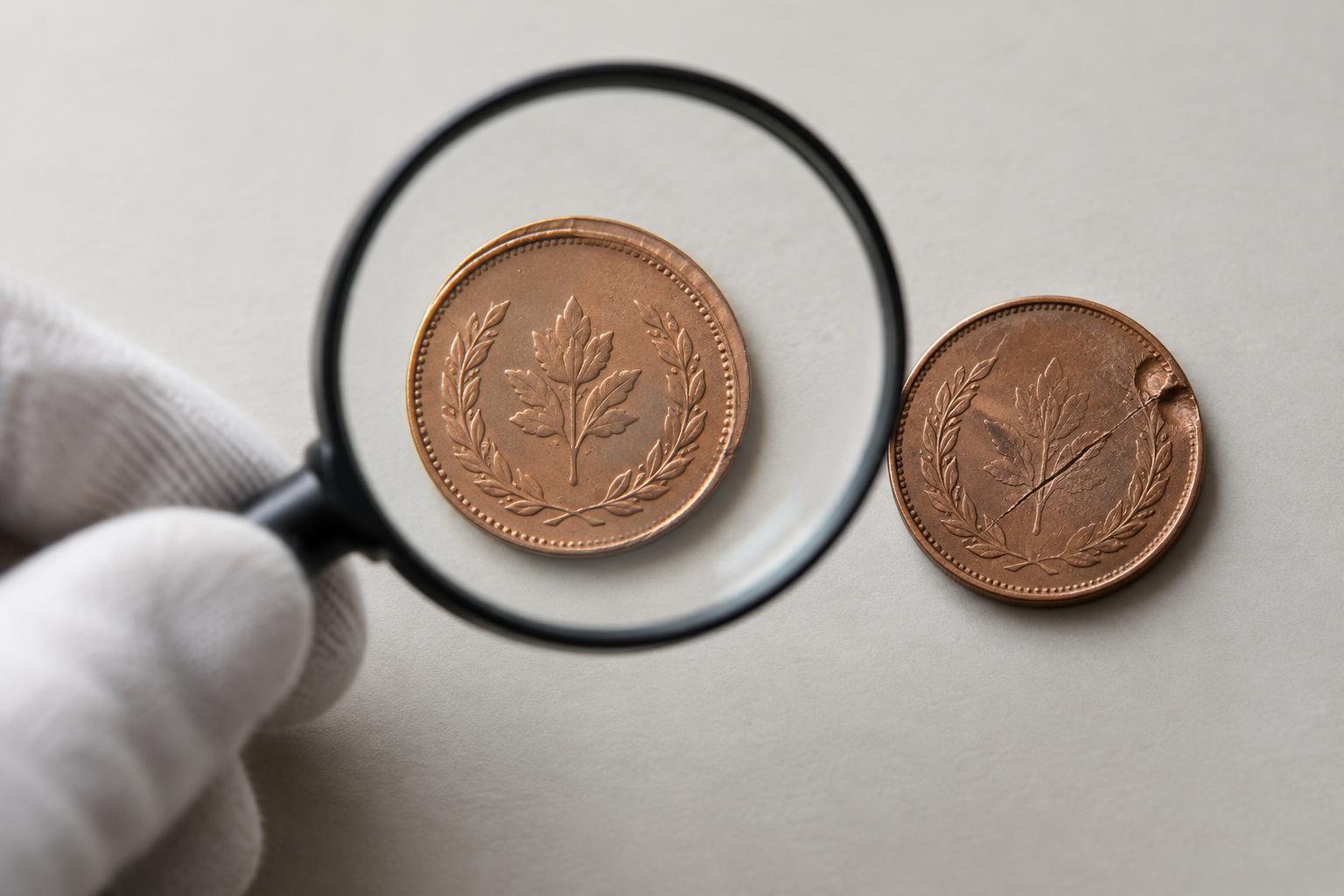
A variety is a distinguishable form of a coin within a more general issue or design grouping. Collectors often use the term for differences in dies—the tools that imprint a coin’s design. Examples include a deliberately changed design detail or a distinctive feature associated with a particular die. The word is not used identically in every catalog: some references list minor design changes as varieties, while others reserve it for more specific die differences.
A variety is not simply any coin that looks odd. An error usually describes something that went wrong during the manufacture of an individual coin or a group of coins, such as an off-center strike. Damage that occurred after a coin left the mint is different again. These distinctions matter because a mark caused by wear or a scratch can resemble a meaningful design feature at first glance. Compare the same area on several clear examples before settling on a label.
Use the terms when describing your coins
Move from broad to specific. Record the issuing authority and denomination, then the series or type, followed by the date, mintmark and any variety you can identify confidently. Add a separate note about condition. If a coin appears to have an unusual feature but you have not confirmed it, describe what you see—for example, “extra line near the lettering”—rather than assigning a variety name immediately.
This approach makes a collection easier to organize and questions easier to answer. A series provides the collecting framework, a type identifies the design, and a variety points to a finer distinction. None of those labels, on its own, establishes a coin’s value: authenticity, condition, demand and the precise identification may all matter. For a beginner, the most useful habit is careful observation paired with descriptions that leave room for uncertainty.