Start with the coin, not the scale
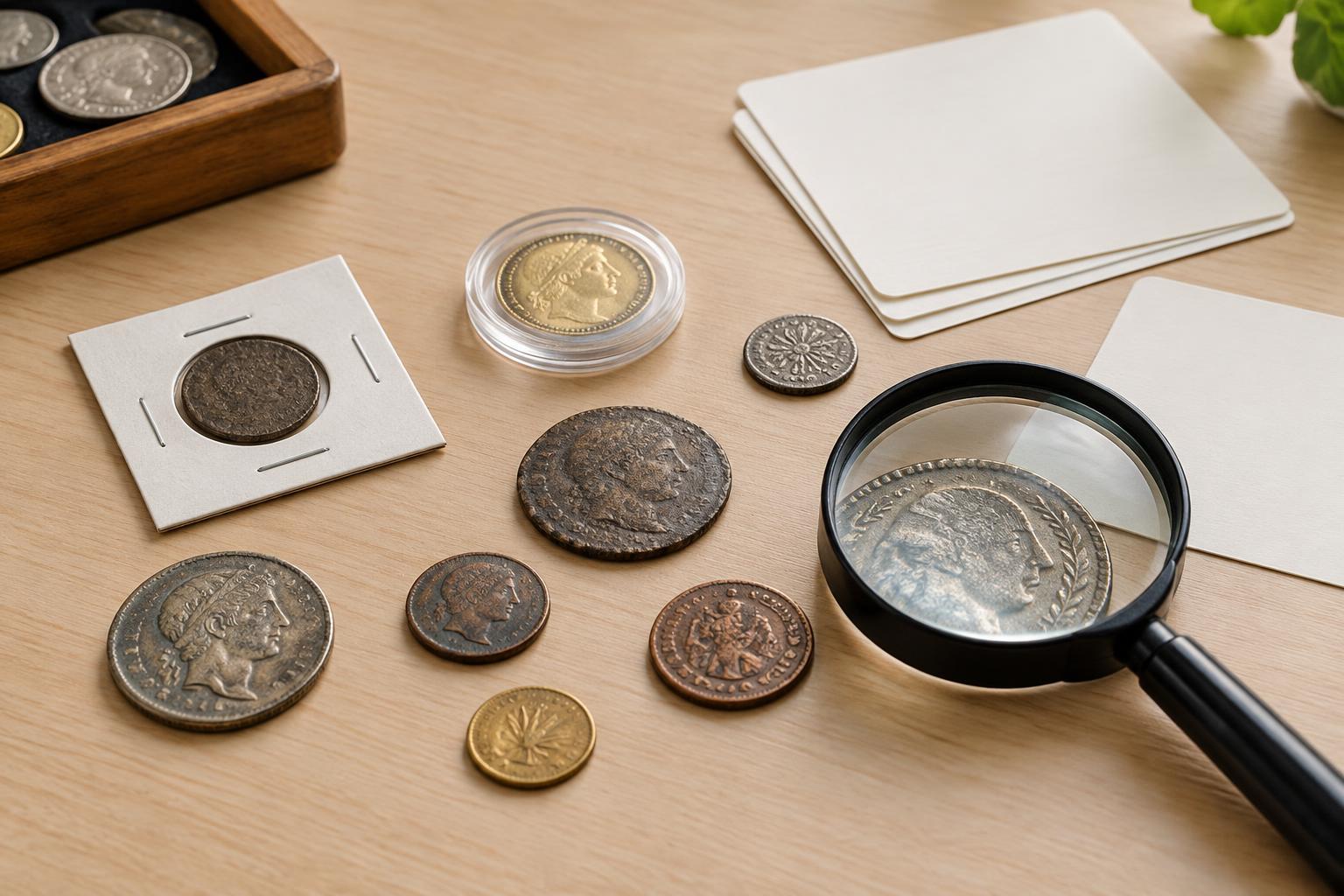
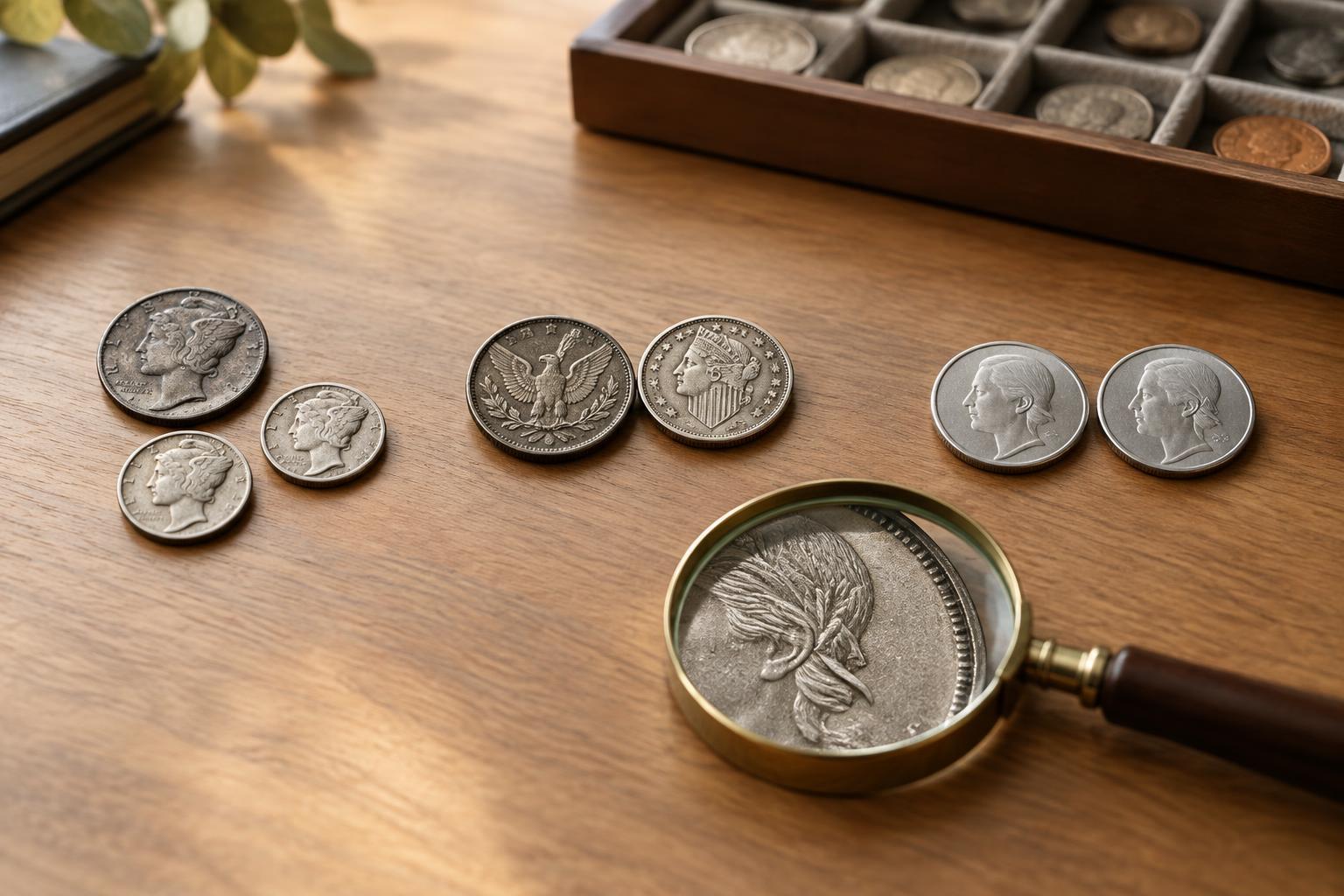
When an unfamiliar coin lands on your desk, its inscriptions and design are usually the best starting points. Look for a denomination, date, country name, portrait or recognizable symbol. Then turn to its physical size. Weight, diameter and thickness can help you narrow a list of possibilities, especially when two coins share a design or when lettering is worn or unfamiliar.
These measurements are clues rather than a complete identification. Different coins can have similar dimensions, and a coin’s condition can affect what you measure. Record what you can see before handling it further, including the edge: is it plain, reeded, lettered or patterned? Keeping the visual details alongside the measurements makes comparison much more useful than relying on a single number.
Measure weight carefully
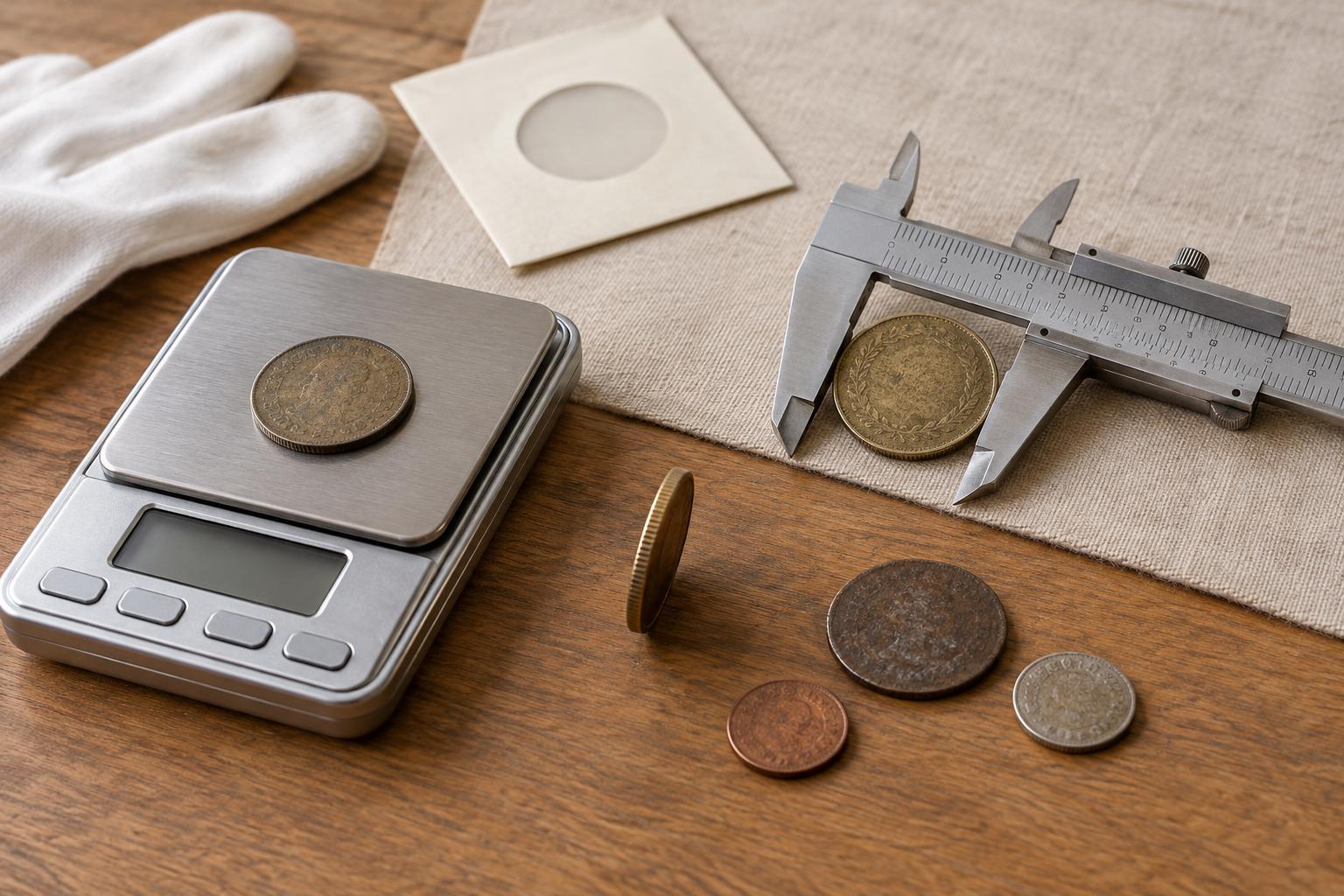
Weight is often the easiest measurement to take. Use a digital scale that displays grams, preferably in increments of 0.01 gram. Set it on a level surface, check that it reads zero, and place the coin on the weighing platform without a holder or sleeve. If the reading shifts, remove the coin, let the scale settle and try again. Write down the displayed result rather than rounding it to what you expected.
A small difference from a published weight does not automatically mean a coin is misidentified. Circulation wears away metal, while dirt or attached material can add weight. Minting tolerances, damage and the precision of your scale also matter. A large mismatch is a reason to check your proposed identification, not a reason to declare a coin counterfeit. For coins you wish to preserve, handle them by the edges and avoid cleaning them to get a tidier measurement.
Check diameter and thickness
Diameter is the distance across a round coin through its center. A ruler can provide a rough estimate, but calipers give a more useful reading when similar coins differ only slightly in size. Measure across the widest part, keeping the jaws straight rather than angled. If the coin is not round, note its shape and measure it in more than one direction instead of forcing it into a single diameter.
Thickness needs more caution. On many coins, the raised rim is thicker than the central field. A thickness reading taken at the rim may therefore differ from one taken elsewhere, and published specifications may not always explain which point was measured. Use light pressure with calipers; squeezing or scraping is unnecessary and could mark a coin. Record where you measured. Thickness is particularly helpful as a supporting clue when a coin looks unusually bulky or thin, but it is rarely the strongest clue on its own.
Compare a set of clues, not one figure
Once you have measurements, compare them with specifications for the design and issue you suspect. Check that you are comparing the same denomination, country and version: a familiar design may appear in more than one year, composition or format. Note the units used in a reference before comparing figures. Millimeters and grams are common, but mixing units or copying a number incorrectly can create a false mismatch.
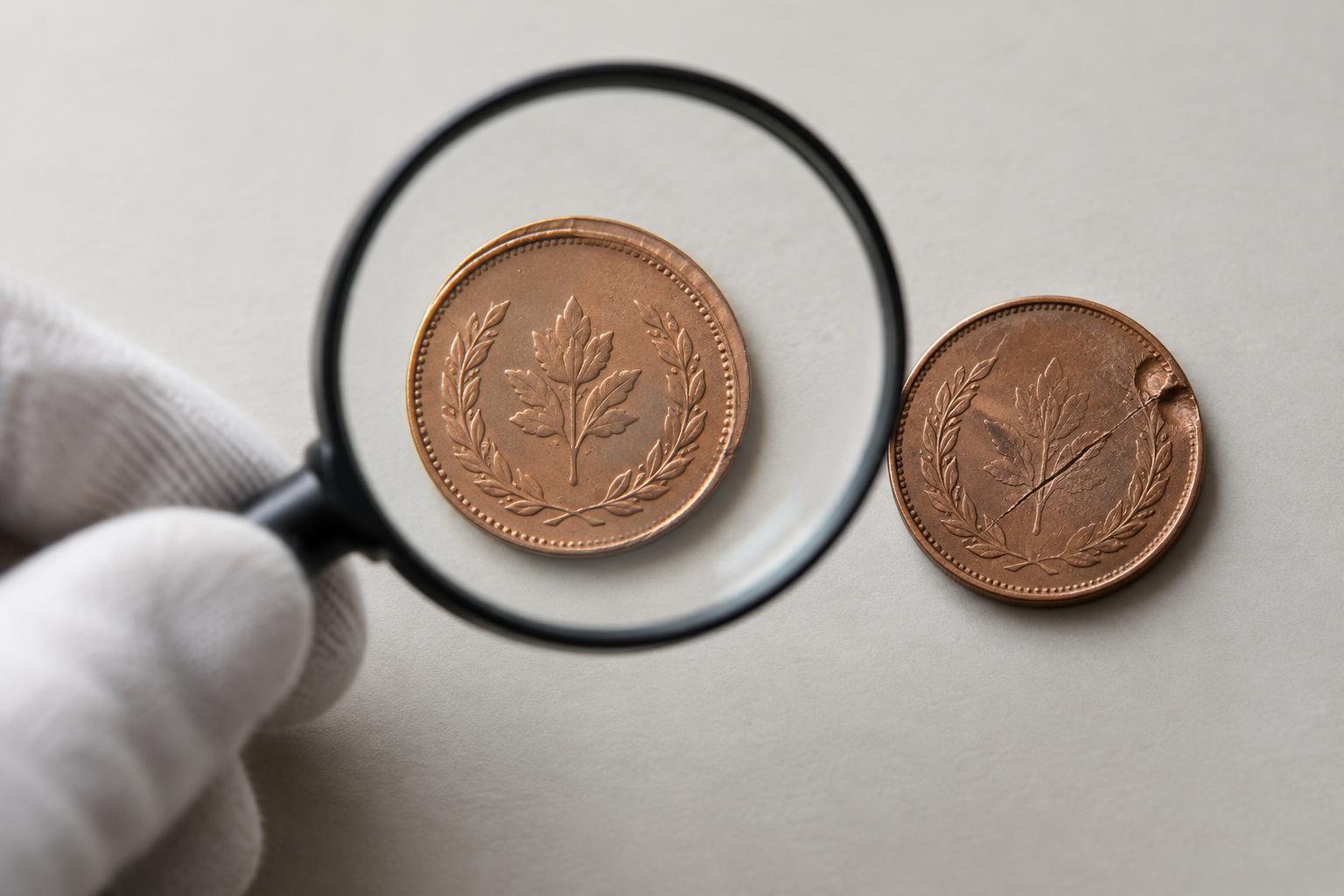
Look for agreement across several features. If the portrait, lettering, edge, diameter and weight all fit one identification, you have a stronger case than if only the diameter fits. If the design appears right but the measurements do not, revisit the date and inscriptions first. The piece might be a different issue, a token or a reproduction. It might also be damaged or altered. Measurements help you decide what to investigate next; by themselves, they cannot establish authenticity.
Keep a simple identification record
A short record makes future comparisons easier. Note the date and denomination as read on the coin, a description of each side, the edge type, weight, diameter, thickness and any obvious wear or damage. Include the units and the tool you used. If a reading is approximate, say so. Clear photographs of both sides and the edge can help you revisit details without repeatedly handling the coin.
For a beginner, the goal is not perfect precision. It is a repeatable process that separates observation from interpretation. Measure gently, compare like with like, and leave room for uncertainty when a coin is worn or a specification is unclear. If several clues conflict, set the coin aside for a closer look rather than making the numbers tell a story they cannot support.