Start with when the change happened
A mint error is a mistake that occurs while a coin is being made. It may involve the blank metal disc, called a planchet; the dies that press the design; or the way the planchet moves through the press. Post-mint damage happens afterward, during handling, circulation, storage or deliberate alteration. Both can make a coin look unusual, but they have different causes.
The first question is not “Is it rare?” but “How could this shape have formed?” A coin can have a genuine mint error and later damage on the same surface. Conversely, a dramatic-looking dent may be nothing more than the result of a hard impact. Identifying the cause is a separate task from estimating value, which can vary with the type of error, the coin’s condition and collector demand.
Look at the metal around the odd feature
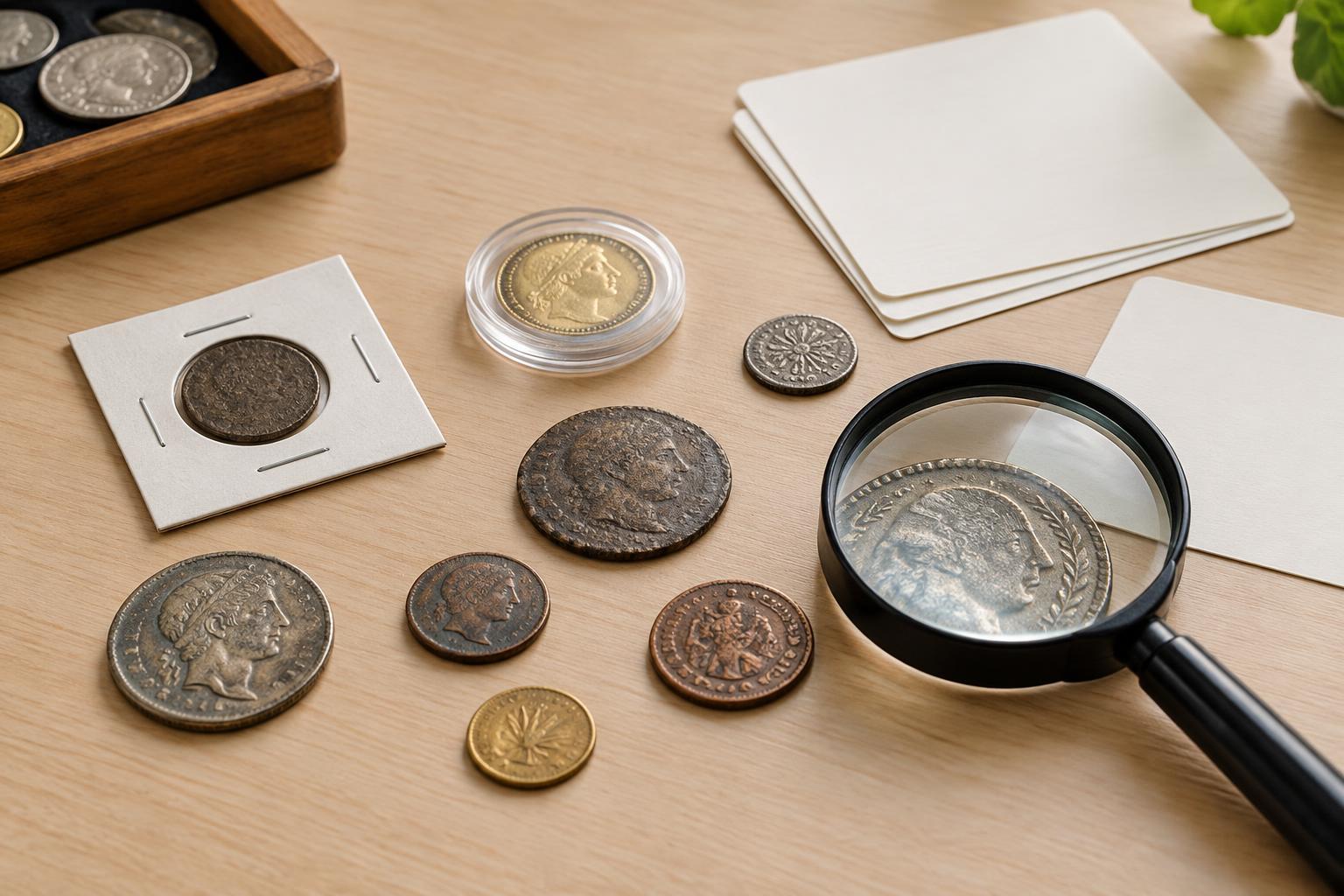
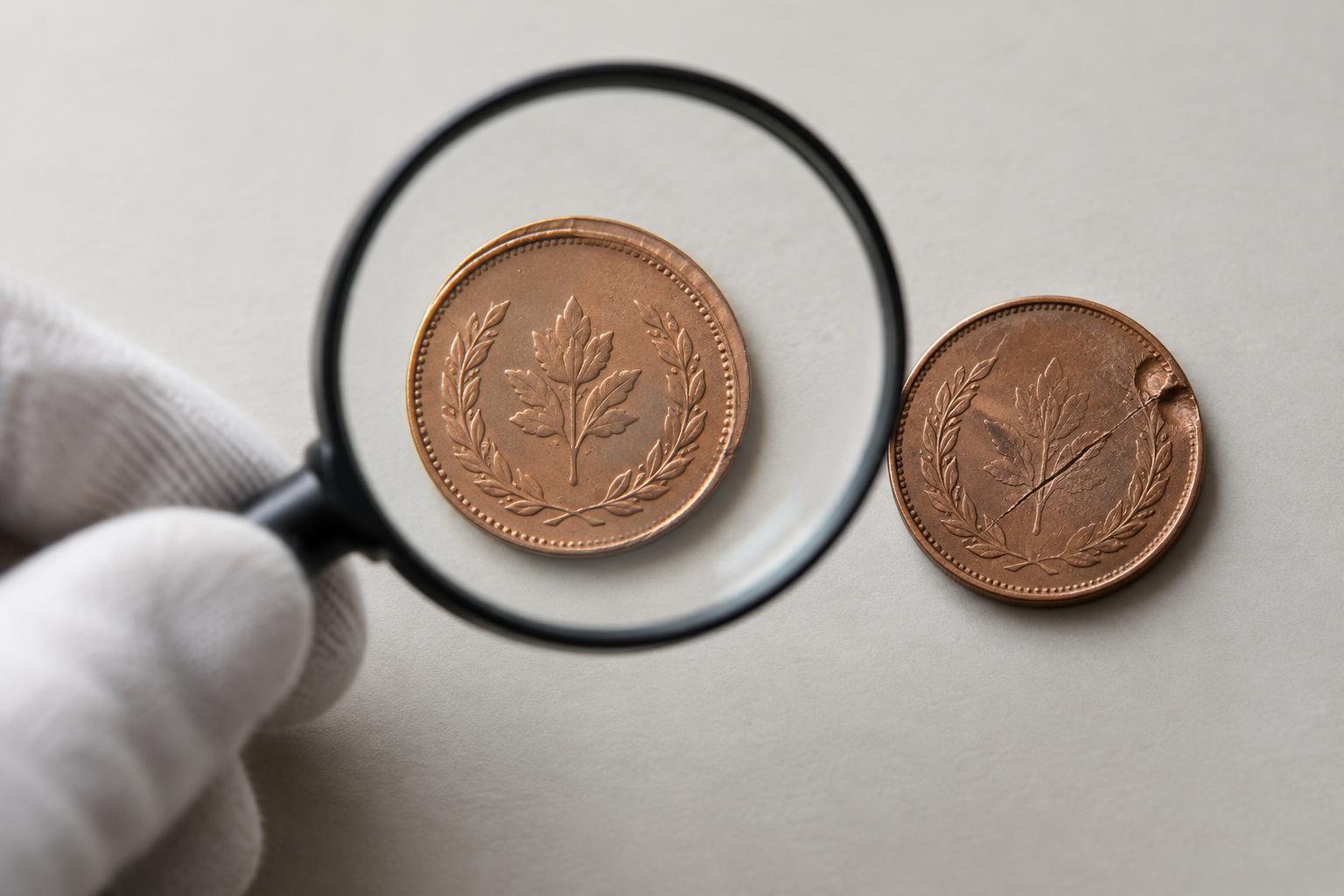
Examine the coin under steady light, turning it slowly so shadows reveal raised and sunken areas. A magnifying glass can help, but begin with the whole coin. Scratches, cuts and gouges usually remove or push metal aside. They may show sharp edges, displaced ridges or a different surface texture inside the mark. A hit to the rim often flattens or bends nearby metal as well.
Some mint-made features have a different relationship to the design. A die crack, for example, can leave a thin raised line because metal flowed into a crack in the die. A die chip can leave a small raised lump. An incuse line—a line pressed down into the coin—should not automatically be called a die crack. That distinction is a useful starting clue, though a photograph or a single feature may not be enough for a firm identification.
Also check whether normal design details continue through the unusual area. Wear tends to flatten the highest parts of a design gradually. An isolated scraped patch that interrupts letters or a portrait may point instead to contact after minting. Cleaning can leave fine, similarly directed hairlines or an unnatural-looking surface; those changes are not mint errors.
Compare the feature with how coins are struck
A coin struck off-center typically has part of its design missing and a portion of unstruck planchet visible. The design is displaced as a whole rather than simply worn away at one edge. A coin whose edge was later ground or cut may also be missing part of the design, but the altered edge can show tool marks or exposed, disturbed metal.
A clipped planchet begins with a missing piece of metal before the strike. Its curved or straight gap may look like a later cut, so inspect the edge and nearby rim rather than judging by outline alone. Effects on the rim opposite a clip can sometimes offer another clue, but they are not equally obvious on every coin.
Apparent doubling deserves similar care. True doubled-die features come from the die and may affect particular design elements in a consistent pattern. Flat, shelf-like doubling along the edges of letters can instead result from movement during striking. Distorted lettering may also be caused by wear or damage. Compare the entire affected area before applying a specific error name.
Use a simple examination routine
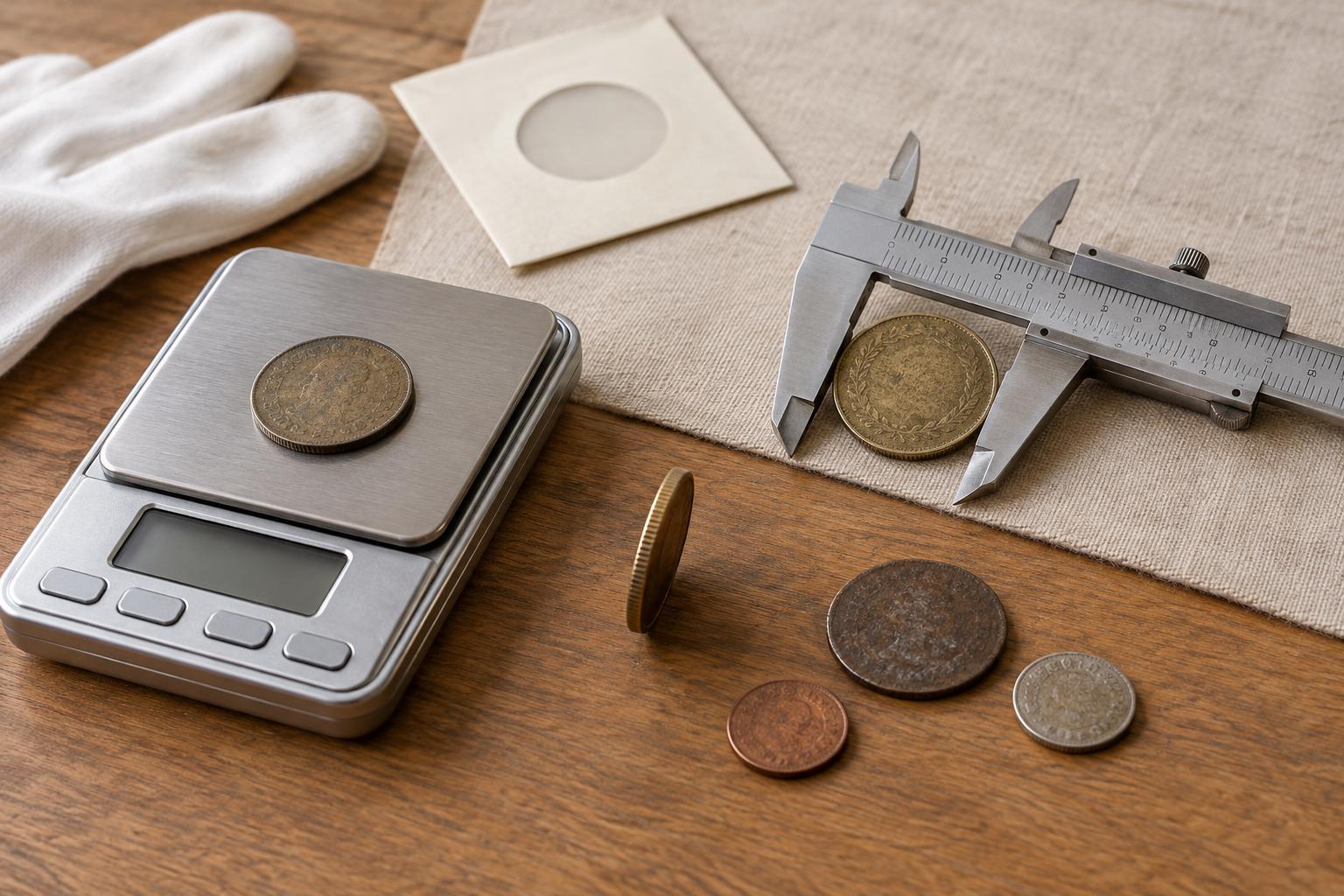
First, identify the coin and note its date, mint mark if present, and normal design. Then inspect both faces and the full edge in good light. Record where the oddity sits and whether it is raised, sunken, missing, flattened or displaced. Check for scratches, bends and other signs of later contact nearby. Clear photographs of the whole coin and close views of the feature make comparisons easier.
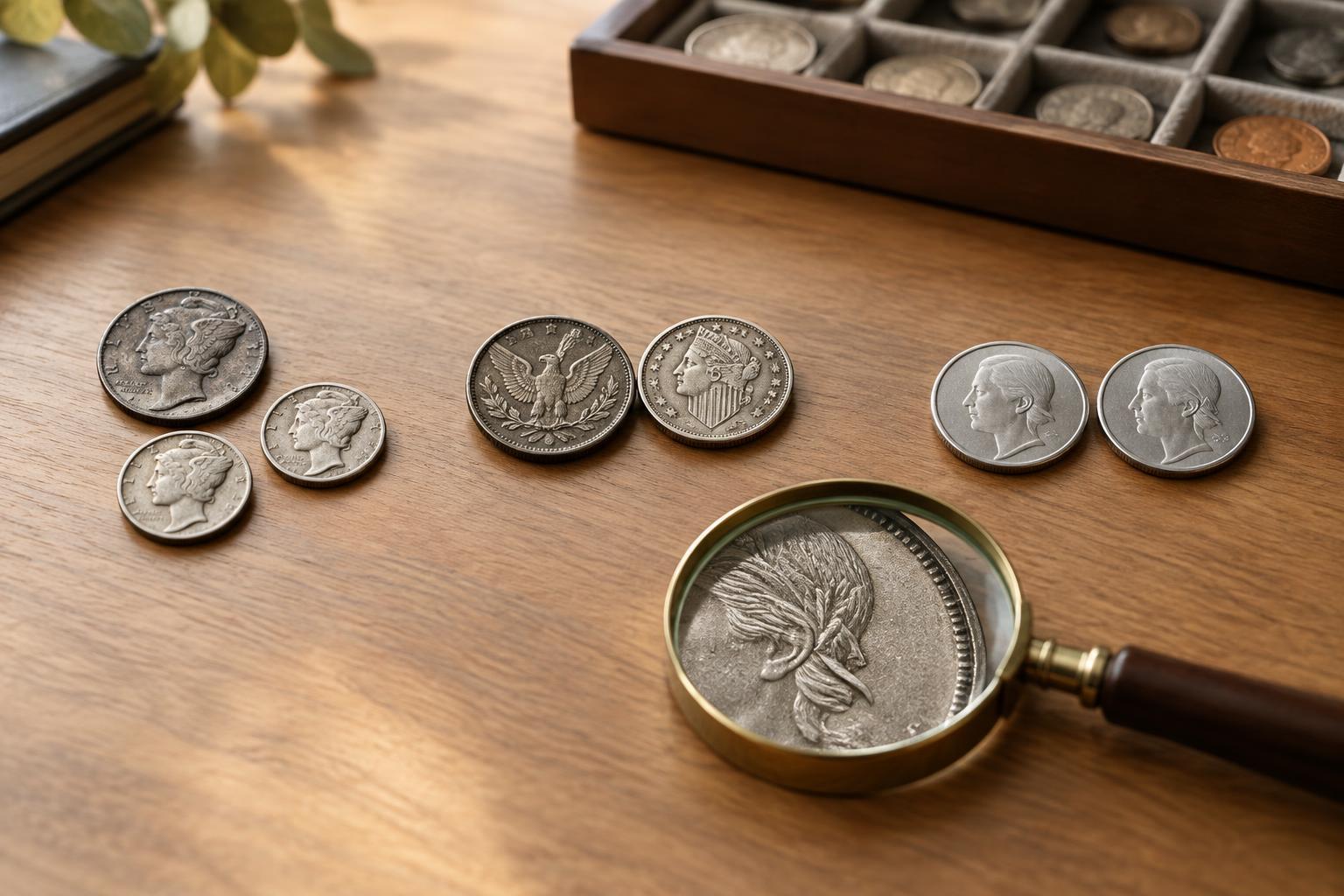
Next, compare your coin with ordinary examples of the same type and with well-documented examples of the error you suspect. Look for a match in the way the feature formed, not merely a similar silhouette. If the evidence is mixed, “unidentified damage or possible error” is more accurate than a confident label. Avoid rubbing, polishing, bending or testing the coin with tools; those actions can erase useful clues.
Know when to leave the question open
Some changes are difficult to classify from casual inspection. Edge alterations, plating problems and unusual strikes can resemble damage, especially on heavily circulated coins. A coin that seems promising may warrant an in-person opinion from an experienced numismatist or a reputable authentication service, depending on the coin and the cost involved.
For a beginner, the most useful habit is to describe what you can observe before naming it. “Raised line crossing the field” is more informative than “rare error” when the cause is uncertain. Careful observation, comparison and a willingness to revise an identification will teach you more than assuming every odd mark happened at the mint.