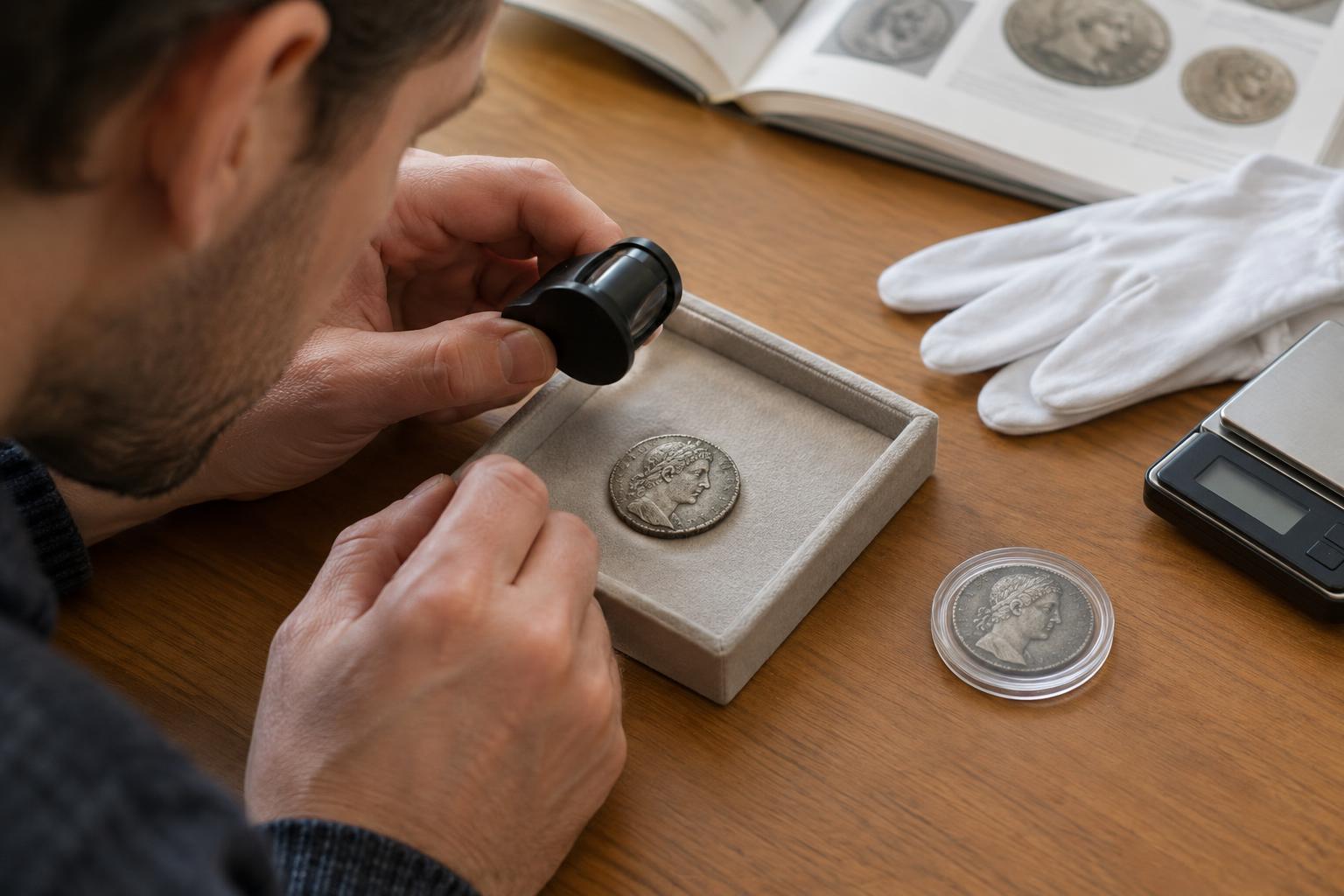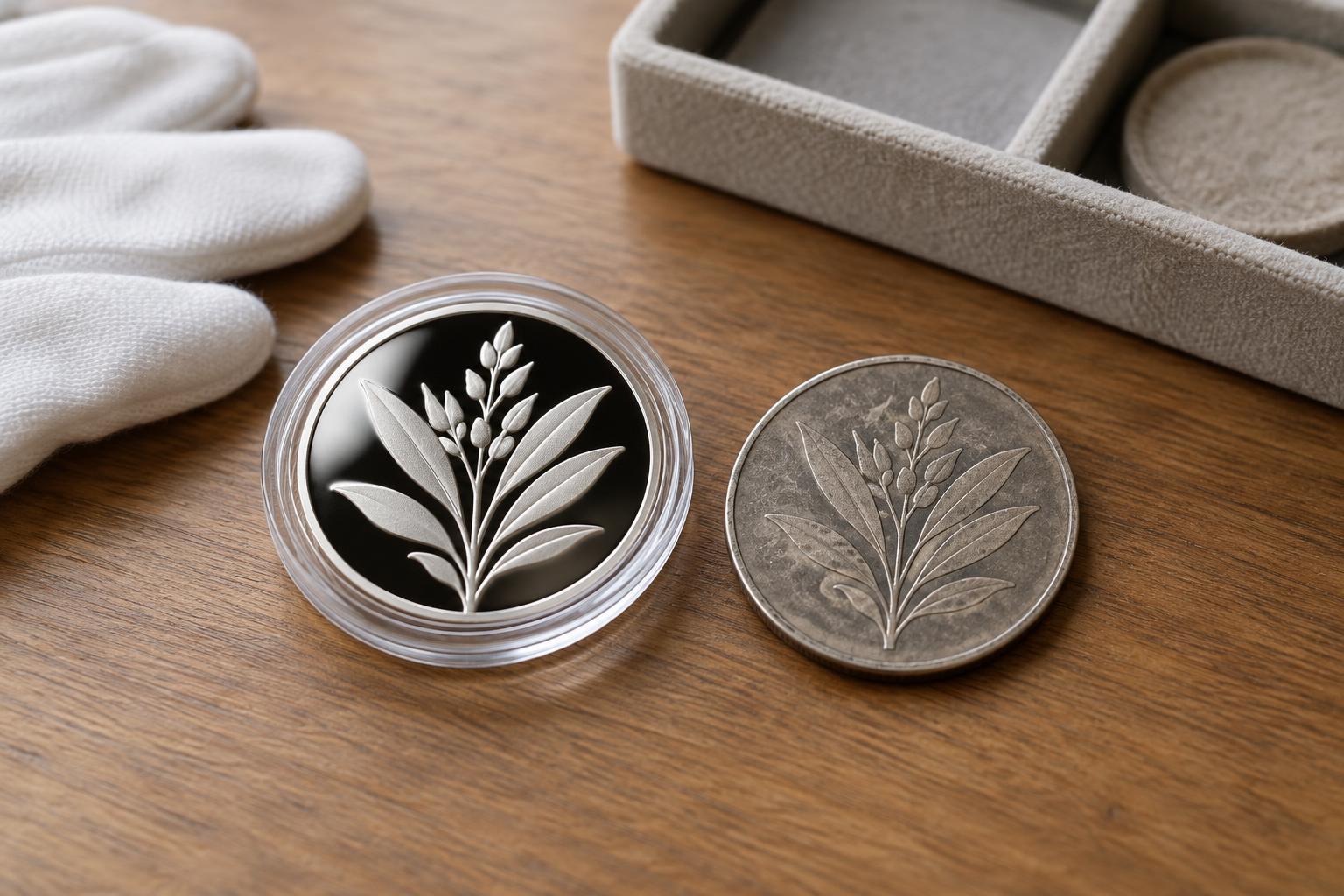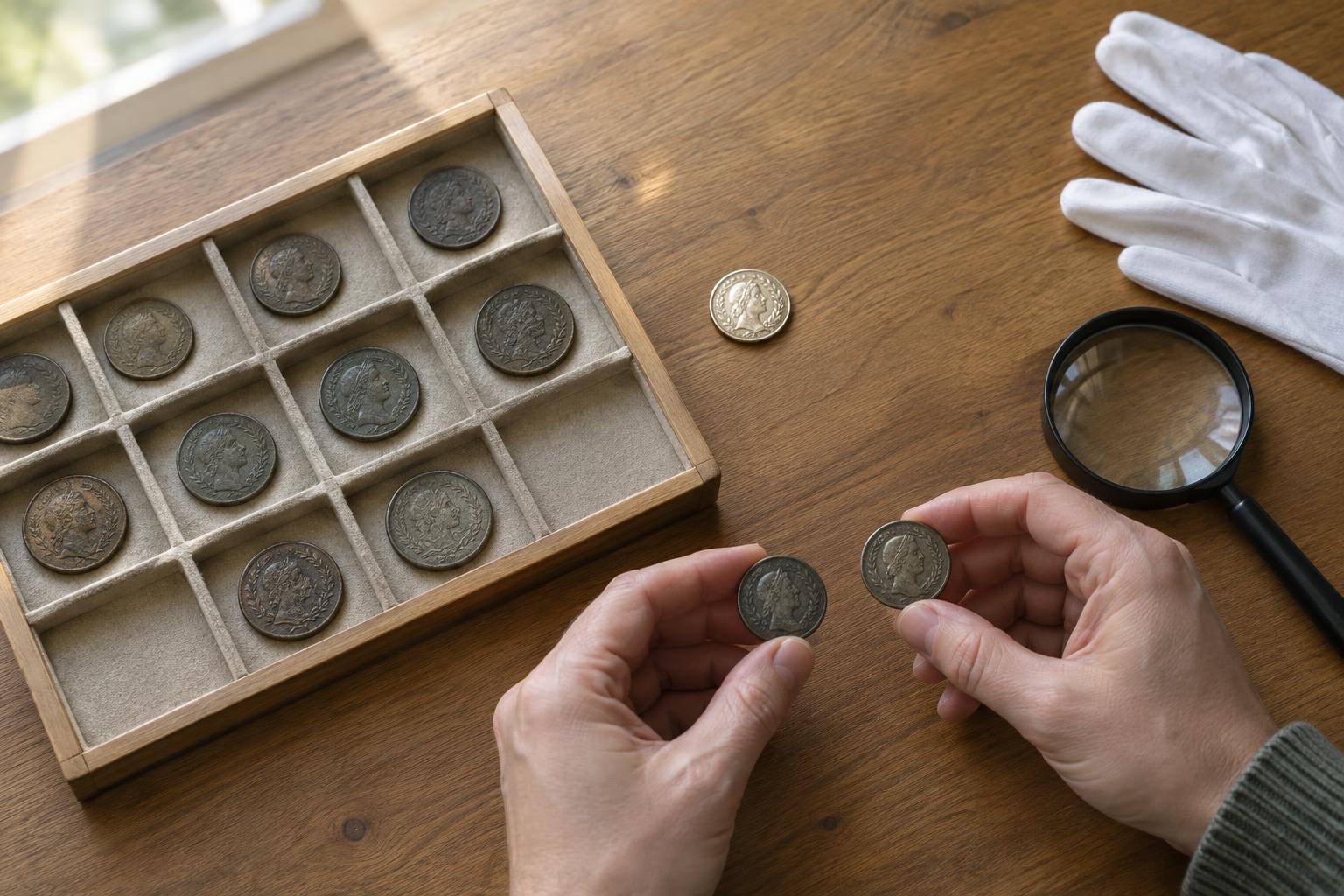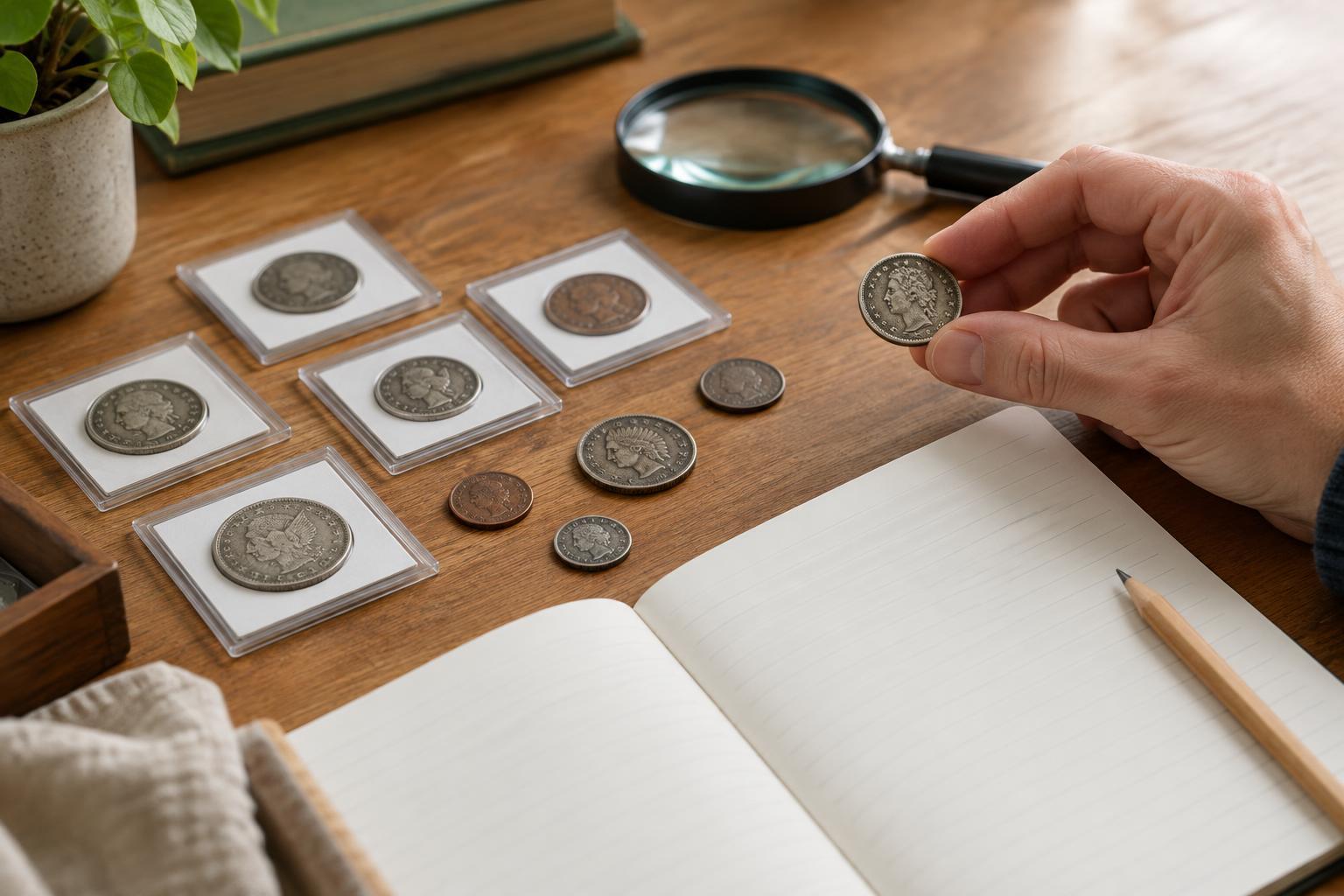
Start with a collecting goal
A want list is a working plan for your collection, not a promise to buy every coin on it. Before adding individual pieces, write down what you enjoy collecting. You might focus on a particular denomination, design, country, time period or theme. A clear focus helps you distinguish a coin that fits your collection from one that simply catches your eye.
Keep the goal small enough to guide decisions but broad enough to remain enjoyable. For example, “one example of each design in a series” leaves more flexibility than “every date and mintmark in top condition.” You can maintain a separate space for interesting coins outside your main goal. That way, a new curiosity does not automatically redirect the collection.
Give each entry useful details
For each coin, record enough information to recognize the right example: its type or series, date, mintmark if relevant, and any variety or design feature you care about. Note whether you want a single representative coin or a specific gap filled. If you are building a set, mark which pieces you already own so you do not buy an unnecessary duplicate.
Add a short reason for wanting the coin. “Completes a design group” or “shows a minting technique I want to study” is more helpful later than a bare name. Include your preferred condition and any deal-breakers, such as distracting damage or surfaces you cannot judge confidently. If you are willing to accept several dates within a type, say so; flexibility may give you more opportunities to find a coin you like.
Separate importance from urgency
A simple priority label can keep the list manageable. Put coins that define your collecting goal in a first tier, appealing additions in a second tier, and passing interests in a third. Priority should reflect how much a coin matters to your collection, not how loudly a listing urges you to act. A coin can be important without needing to be purchased soon.
Consider adding a “ready to look,” “research first” or “wait” status. Research first is useful when you need to learn how to identify a variety, compare grades or spot common problems. Wait is appropriate when the examples you have seen do not suit your preferences. These labels make it easier to pass on a coin without feeling that you have abandoned the goal.
Set boundaries before you shop
Write down a spending limit that fits your circumstances, including any shipping or other purchase costs. This is a personal collecting boundary, not a prediction of what a coin should cost. Prices can vary with condition, eye appeal, authenticity, availability and the seller’s terms. A target range can help you plan, but it should be revisited as you learn rather than treated as a guaranteed market value.
Decide what evidence you need before buying. Depending on the coin, that may mean clear images of both sides, an accurate description of flaws, or enough information to assess an attribution. For unfamiliar or costly pieces, taking more time to compare examples can be worthwhile. If the information available does not let you judge a coin against your want-list criteria, leaving it on the list is a reasonable choice.
Review the list as your collection grows
After a purchase, update the entry with what you acquired and what you learned. You may discover that you care more about an attractive, readable design than a particular grade, or that one type is more interesting in hand than it was in pictures. Remove goals that no longer appeal to you and divide vague entries into specific choices when you understand them better.
A regular review also reveals patterns. If your highest-priority coins never fit your limits, you might seek a different condition, choose a representative example or pursue another part of the collection first. The best want list is not the longest one. It is the one that helps you recognize a suitable coin, make a considered choice and enjoy the collection you are building.