Three ways to describe one coin
The word “value” can mean different things when people talk about coins. Face value is the denomination assigned to a coin, such as ten cents or one dollar. Collector value is what someone interested in that particular coin might pay for it. Metal value is an estimate based on the quantity and type of metal it contains. These figures can differ considerably, and none is automatically the amount an owner would receive in a sale.
A useful first step is to ask what question you are trying to answer. Can the coin be spent at its stated denomination? Is it desirable to collectors? Does it contain precious metal? Answering one question does not answer the others. An ordinary circulating coin may be worth only its face value in everyday use, while an unusual coin with the same denomination may attract collectors. A precious-metal coin may have significant metal value even if collectors have little interest in its design.
Face value: the stated denomination
Face value is usually the easiest figure to identify: it is the monetary amount assigned by the issuing authority, often shown on the coin. It describes the coin’s denomination, not its condition, rarity or composition. A worn coin and an uncirculated coin of the same denomination generally share the same face value, even though collectors may view them very differently.
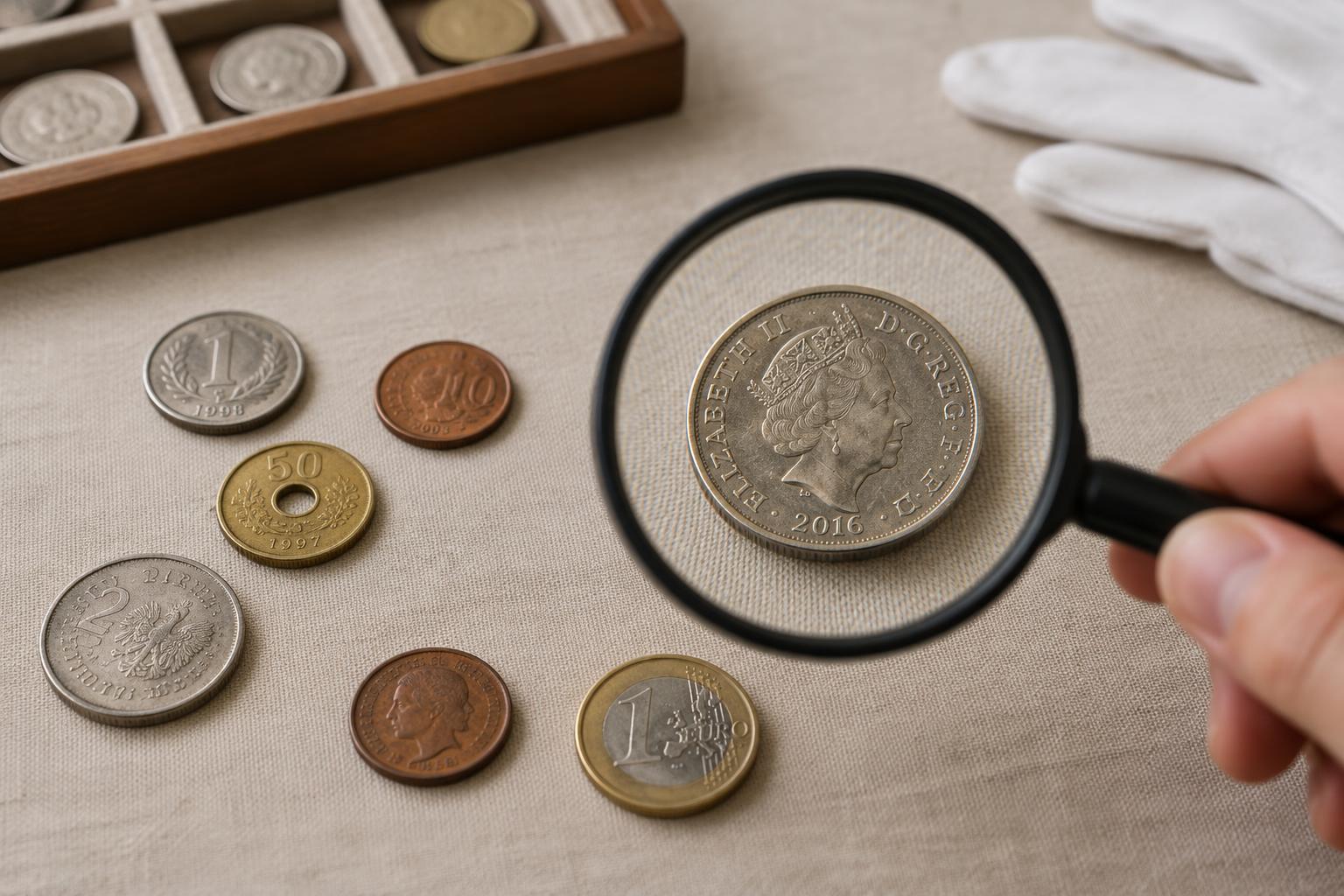
Face value also needs context. A foreign coin’s denomination is expressed in its own currency, not the currency where you happen to live. An older coin may no longer be accepted in ordinary transactions, even if its denomination is clearly marked. Some coins have no printed number but still had an assigned denomination when issued. Before treating a coin as spendable, identify its country, denomination and whether it remains valid for payment or exchange.
Collector value: what makes a coin desirable
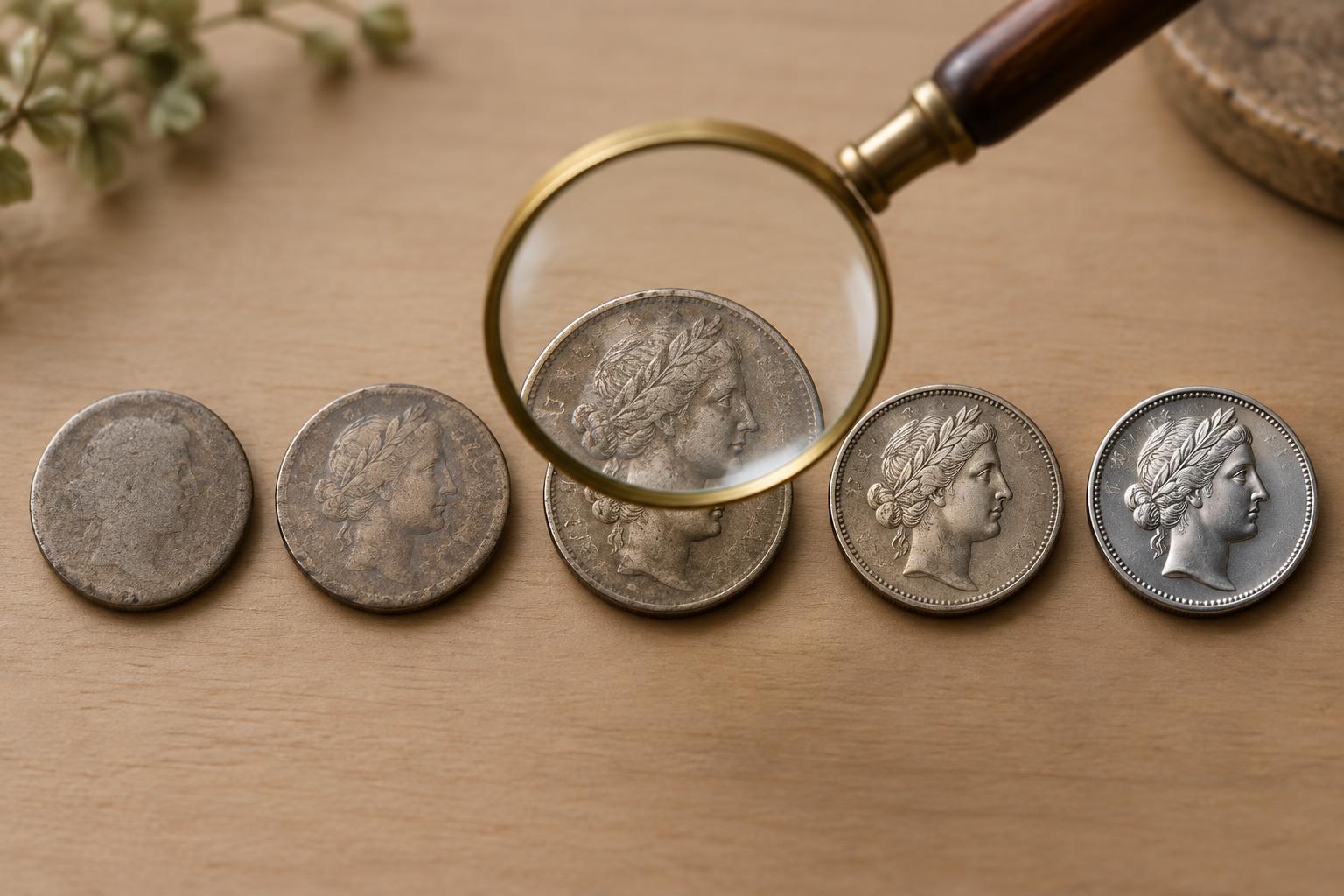
Collector value reflects interest in the coin as an object rather than simply as money or metal. Collectors may care about its date, mint mark, design, condition, scarcity, historical setting or place in a set. Two coins with the same face value can therefore appeal to different buyers. A common coin in exceptional condition might be sought after, while a heavily worn example of the same issue might not be.
This value is not a fixed number printed in a guide. Condition assessments can be subjective, and details such as cleaning, damage or uncertain authenticity may affect interest. A low production total does not, by itself, guarantee strong demand; surviving examples and collector preferences matter too. Asking prices can show what sellers hope to receive, but they do not establish what buyers will pay. When comparing coins, look for examples of the same issue in similar condition, and leave room for uncertainty if you cannot identify or assess yours confidently.
Metal value: what the coin contains
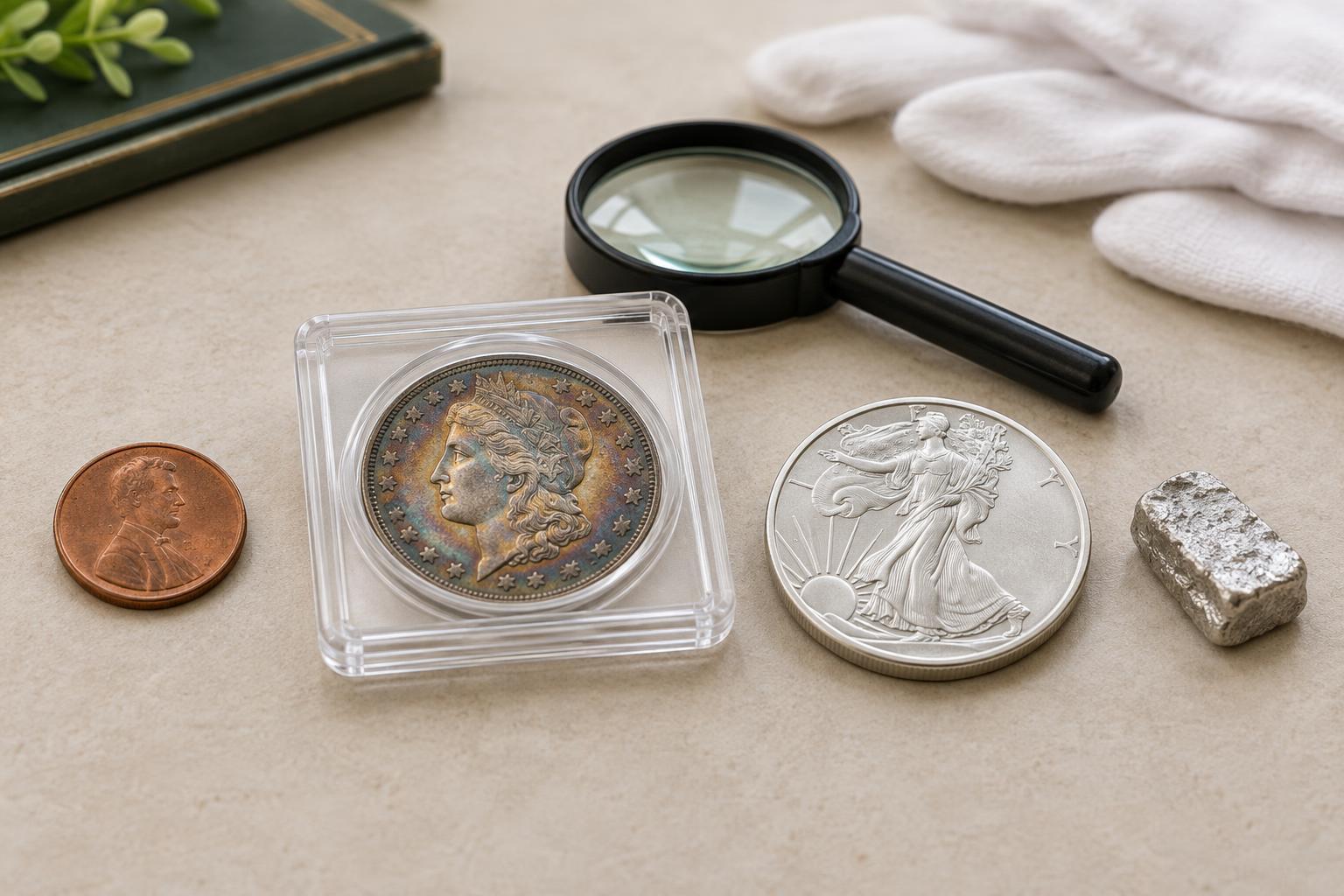
Metal value starts with composition and weight. For a silver or gold coin, the relevant amount is the weight of the precious metal it contains, not necessarily the coin’s total weight. A coin made from an alloy includes other metals, so its full weight should not be treated as precious-metal weight. The estimated metal value changes as the market price of that metal changes.
Composition cannot always be judged by color. Coins that look silver-colored, for example, may have different metal contents depending on where and when they were made. Check the coin’s identification and specifications before calculating anything. Even with correct specifications, a metal-value estimate is not a guaranteed sale price: a buyer may account for testing, handling or resale costs. Melting a coin may also be restricted in some circumstances, so metal value should not be read as permission or a practical plan to melt it.
How to compare the figures without mixing them up
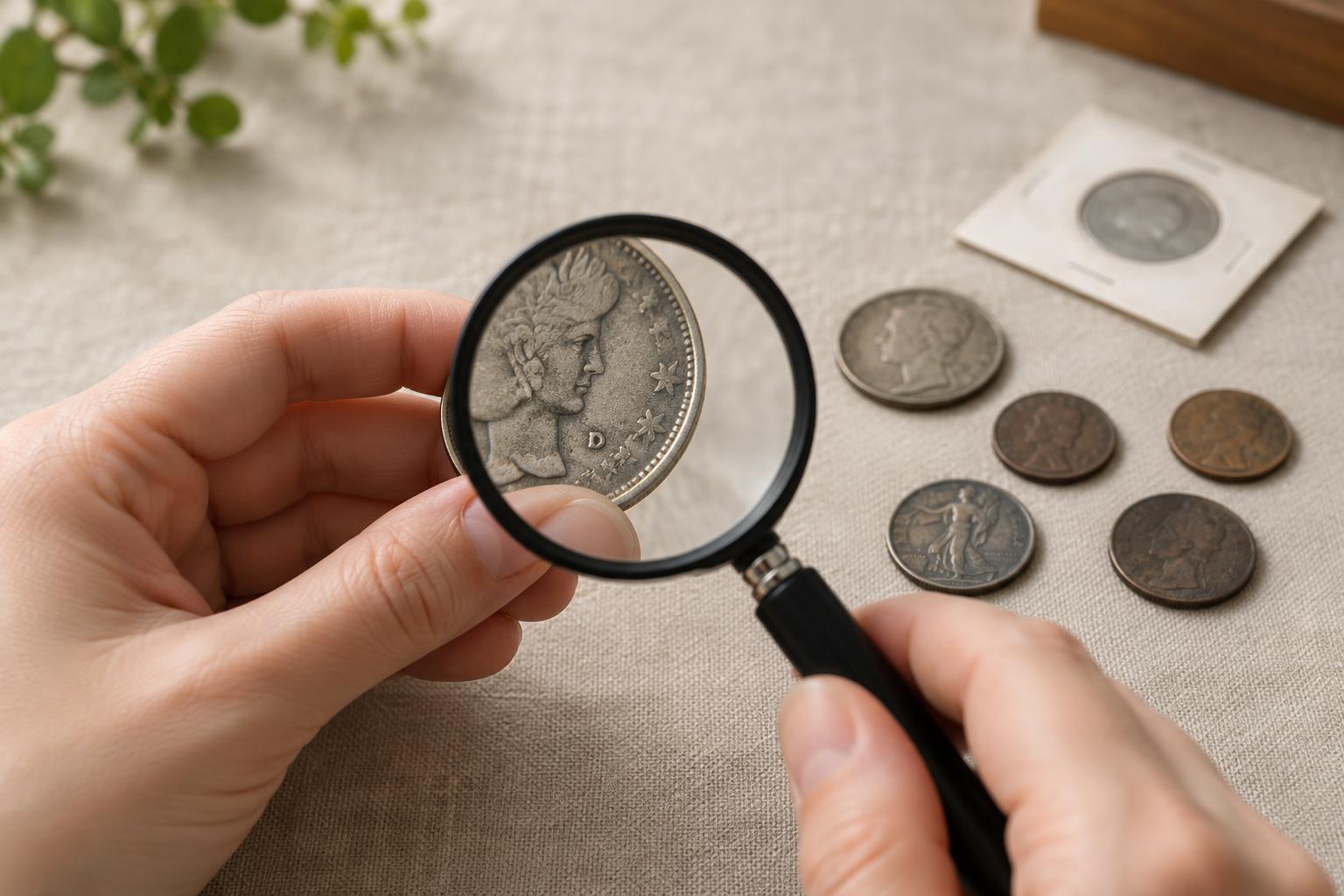
Start by identifying the coin: record its country, denomination, date, mint mark if present, and any distinctive design features. Then consider each kind of value separately. Note its face value and whether that denomination is still usable. Check reliable specifications to understand its metal content. Finally, compare its condition and features with similar coins to get a sense of collector interest. If an identification or an apparent error seems important, consider having it examined before drawing a firm conclusion.
Think of the three figures as different reference points, not numbers to add together. A collector’s offer for a silver coin normally takes the coin’s metal content into account; its face value is not an extra amount paid on top. Likewise, a coin can carry a denomination far below what a collector might pay. Keeping clear notes about why each figure applies will help you describe a coin accurately and avoid mistaking an estimate for a promise.