What Is a Hammered Penny?
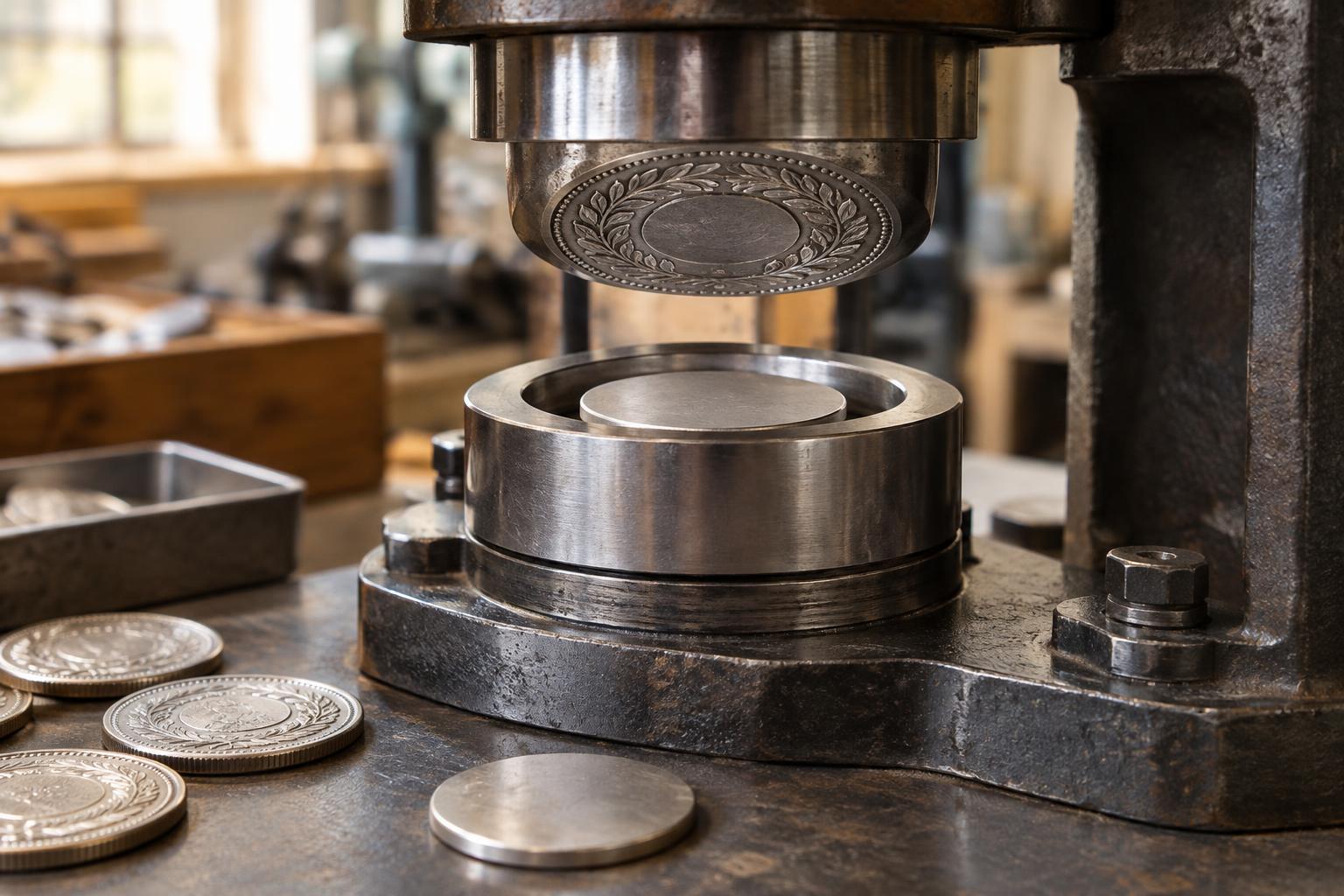
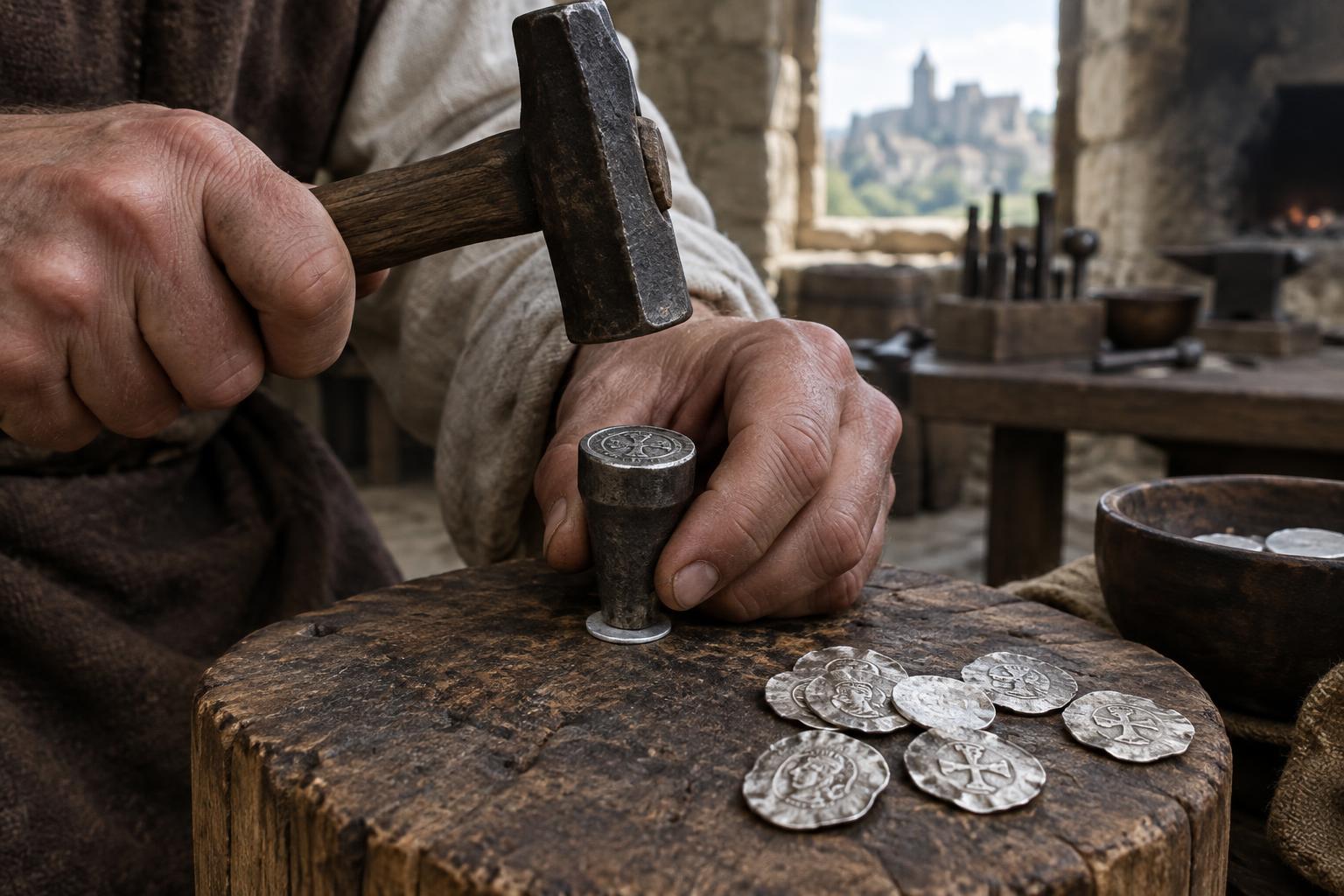
A hammered coin was struck by hand rather than by a machine-driven press. A worker placed a prepared piece of metal, called a blank, between two engraved dies and hit the upper die with a hammer. The blow transferred designs and lettering to both faces. If the blank shifted or the strike was uneven, part of the design might appear weak or fall off the edge.
In medieval England, the silver penny was a familiar denomination for many centuries. Elsewhere in Europe, rulers and towns issued a variety of small silver coins, sometimes with related names and sometimes under different monetary systems. It is useful to compare them, but not to assume that every medieval European penny had the same weight, silver content, or purchasing power.
Because each blank and strike could differ, hammered pennies often have irregular outlines. That irregularity can be a normal result of hand production, not necessarily a sign of damage. Collectors identify a coin by looking at several features together: its designs, inscriptions, approximate size and weight, and the way those details fit a known coinage.
From Silver to Struck Coin
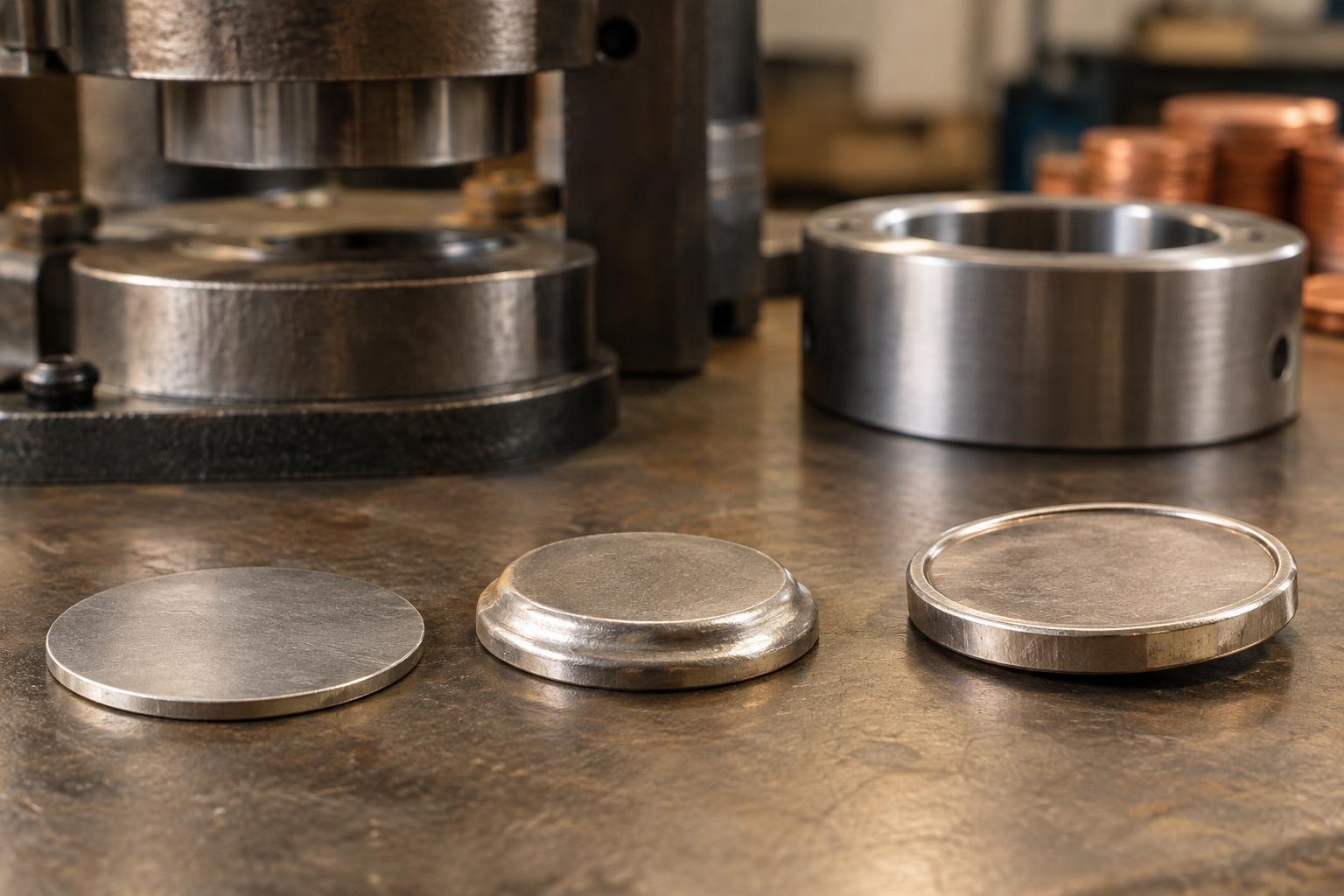
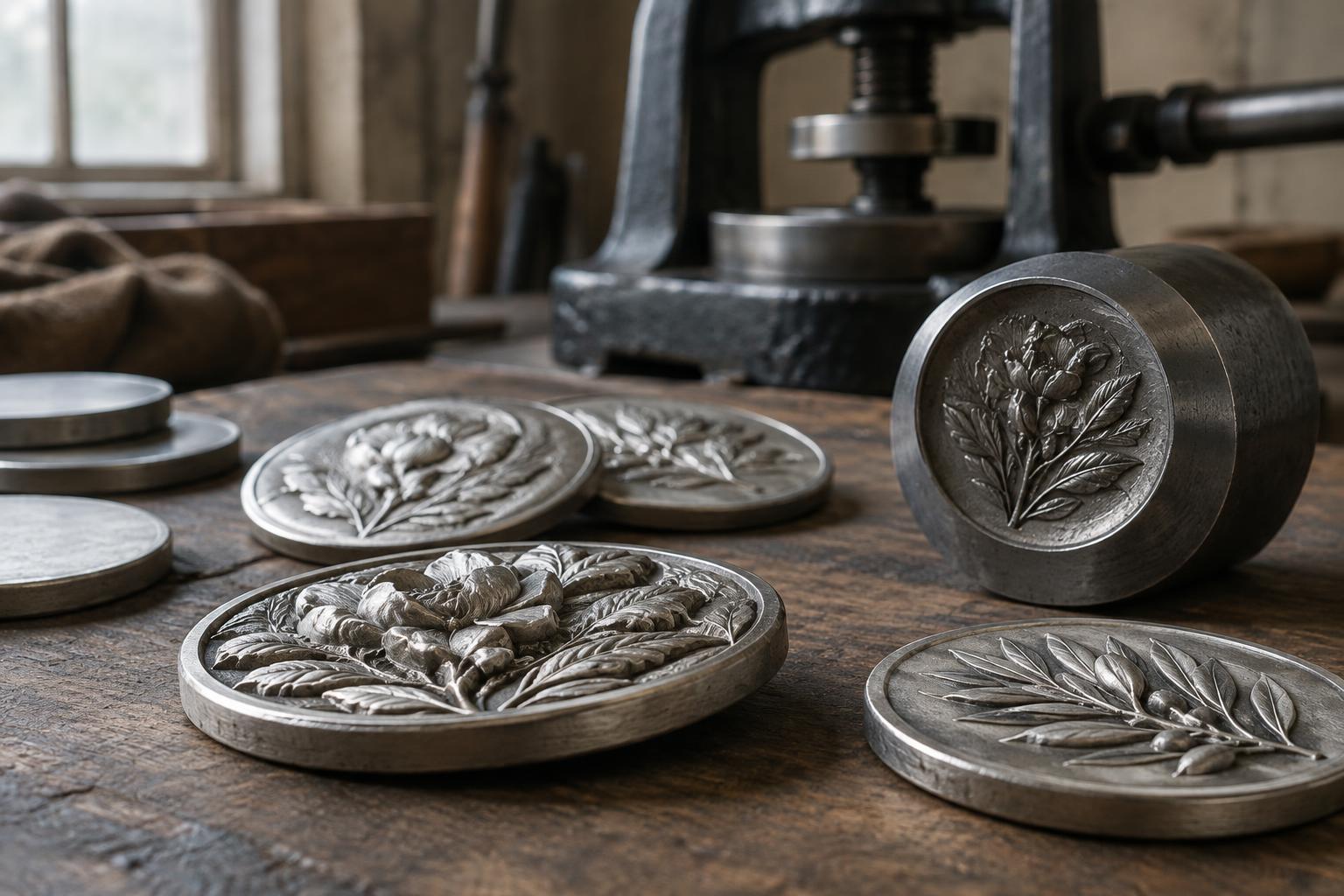
Making a penny involved more than a single hammer blow. Mint workers first had to prepare metal to a required standard, form blanks, and bring them near the intended weight. Die cutters then engraved the designs. One die sat below the blank; the other was held above it for striking. As dies wore or broke, replacements could introduce small changes to letters or images.
Medieval minting methods varied by place and period, so a surviving coin cannot always tell us every step used to make it. It can, however, preserve evidence of the process. A doubled image may result from movement between blows. A weak area may reflect an incomplete strike, a worn die, or a blank that did not fully meet the die. Such features are worth describing carefully rather than treating every unusual mark as a rare error.
Coins also changed after leaving the mint. Wear softened high points, while bending, corrosion, and attempts to remove silver could alter their appearance. A collector trying to understand a penny should distinguish, where possible, between features made at the mint and changes caused by later use.
Why Were There Local Mints?
A medieval ruler could authorize coin production in more than one town. Local mints made it possible to turn silver into usable coin in different parts of a realm, though the number and location of active mints could change over time. Control of coinage also helped an authority set standards and identify who was responsible for an issue.
Some pennies name a mint town, a moneyer associated with production, or both. A moneyer’s name is a clue to the coin’s issue, not a simple signature from the person who personally struck it. Other European coinages used different arrangements: a prince, bishop, city, or other authority might appear on the coin, while its place of manufacture could be less explicit.
The existence of local mints does not mean coins stayed local. Pennies could travel through trade, payments, and personal movement. A coin found far from its named mint is not automatically evidence of an unusual journey; it may have passed through many hands. Its mint name tells us where it was issued, not where it spent most of its life.
Reading a Penny’s Designs and Lettering
Many hammered pennies show a ruler or another symbol of authority on one side and a cross or other design on the reverse. Designs served several purposes: they identified an issue, expressed authority, and helped users recognize a coin. On some types, a long cross extended toward the edge, making the coin’s shape and completeness easier to inspect.
Lettering can be harder to read than it first appears. Medieval legends may use abbreviations, unfamiliar letter forms, and separators that resemble letters. Parts of an inscription can also be missing because the strike was off-center or the coin is worn. Start with what is visible rather than filling in gaps too quickly. Compare the portrait or central motif, the arrangement of the reverse, and any legible names as a group.
For a beginner, a useful description might record the metal, approximate diameter and weight, main designs, readable letters, and visible damage. If an identification remains uncertain, saying so is more accurate than assigning a precise ruler or mint from one partly visible letter.
Collecting With Historical Context in Mind
Hammered pennies offer many ways to build a focused collection. You might choose a single realm, follow changes in one reverse design, or compare pennies from different mint towns. A narrow theme makes it easier to learn which details matter and to notice when a coin does not fit your first impression.
Condition matters, but a sharply struck penny is not the only coin worth studying. A worn example with a clear mint name may answer a different question from a well-preserved coin with missing edge lettering. Prices and availability vary with attribution, condition, demand, and other factors; a historical interest need not depend on a coin’s market value.
Handle coins over a soft surface and avoid cleaning them to make inscriptions easier to see. Cleaning can remove surface detail or leave new marks. Clear photographs taken from several lighting angles are often a better aid to reading faint features. By recording what you can actually observe, you give yourself a sound starting point for learning about the people and places behind each penny.