What a price guide can tell you
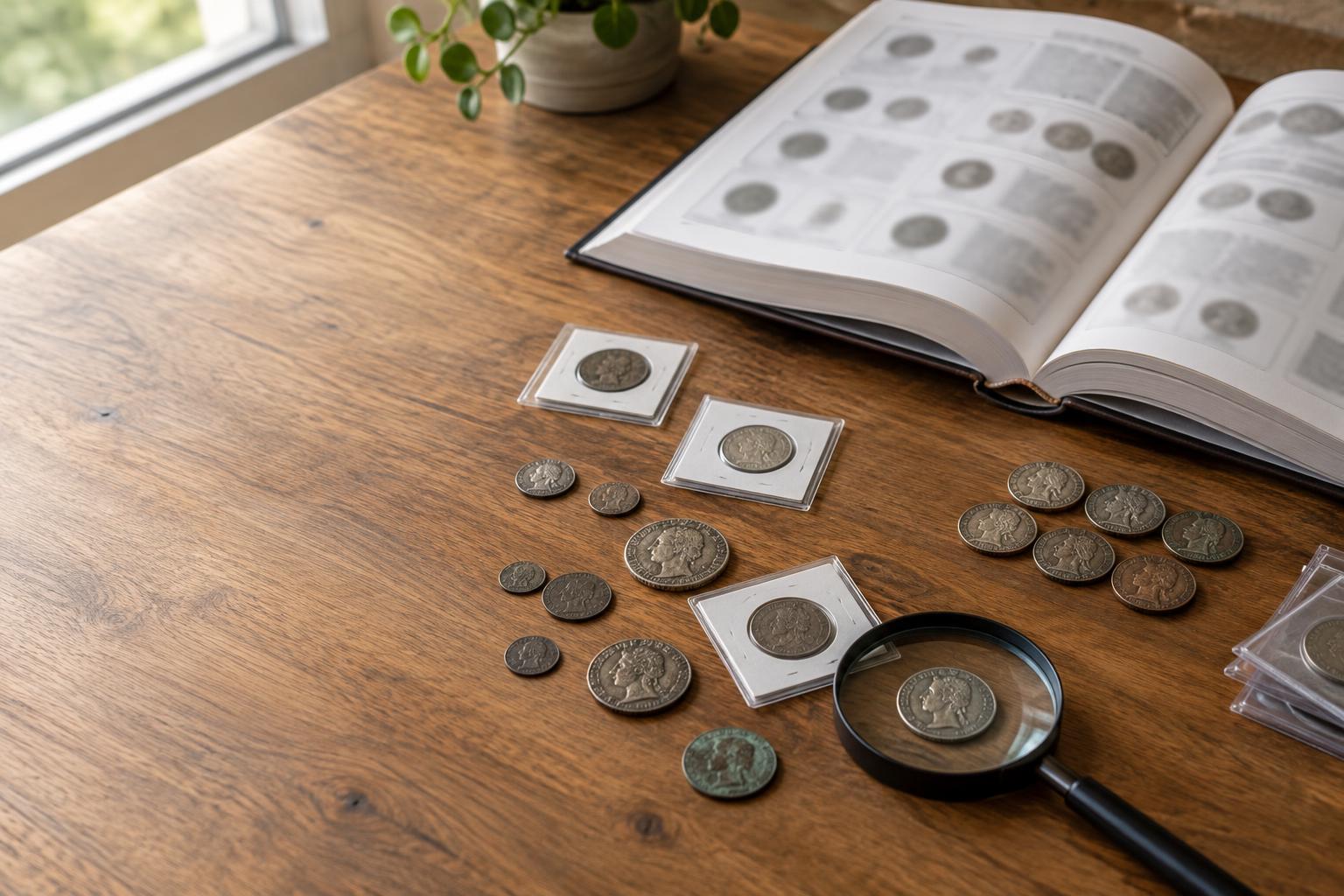
A coin price guide is a reference, not a price tag attached to every example of a coin. It usually organizes coins by series, date, mintmark and grade, then provides a figure for each listing. That structure is useful even before you look at the numbers: it helps you see which details matter when identifying a coin and how condition affects comparisons.
Guide figures may reflect an editor’s estimate, a summary of past market activity or a particular type of selling price. One guide might lean toward prices a collector pays a dealer, while another uses auction results or offers a broad range. Read the guide’s introductory notes to learn what its figures are intended to represent. Without that context, two different numbers for the same coin may appear to disagree when they are describing different transactions.
Identify the coin before checking the figure
Start with the denomination, country, date and mintmark, if there is one. Then check the design and any details needed to distinguish a variety. A small difference in a date or mintmark can lead to a different listing, but ordinary wear, damage or an unusual-looking mark does not automatically make a coin a rare variety. If a detail is hard to read, record the uncertainty rather than choosing the most promising entry.
Next, consider condition. Guides often show separate figures for grades ranging from heavily worn to uncirculated. Grading is a learned judgment, and adjacent grades can be difficult to tell apart. Compare your coin with the guide’s written descriptions and clear images, paying attention to wear on high points as well as scratches, cleaning and other problems. A coin that appears sharp but has been harshly cleaned may not bring the figure shown for an undamaged coin at the same apparent grade.
Why an actual price may differ
The same coin can have several relevant prices. An asking price is what a seller hopes to receive; it does not show that someone bought the coin. A completed sale shows a transaction, but its result may include fees, shipping or other terms that make it hard to compare directly. A dealer’s purchase offer may be lower than a retail asking price because the dealer must account for resale costs and uncertainty. None of these figures is automatically the single “true” value.
Demand, availability, eye appeal and confidence in identification also matter. Two coins with the same catalog listing and grade can look noticeably different. Collectors may prefer one with a pleasing surface and clear details over one with distracting marks. Prices can also vary by selling venue and over time. For coins whose precious-metal content is significant, changes in metal prices may affect what buyers offer, but collectible qualities can still matter. A guide cannot capture every feature of an individual coin or every circumstance of a sale.
Make useful comparisons
Use the guide to find the correct listing and a reasonable starting range, then look for comparable completed sales when that information is available. Choose examples with the same date, mintmark and variety, and with similar condition. Note whether a comparison coin was certified by a grading service or sold without third-party grading. Certification can affect buyer confidence, but a label does not make every coin of that grade equally appealing.
Keep your comparisons consistent. If you are comparing auction results, check whether the displayed amount includes a buyer’s fee; if you are comparing listings, separate asking prices from confirmed sales. A single unusually high or low result may have an explanation that is not obvious from the headline price. Several relevant examples are generally more informative than one striking number. When good comparisons are scarce, a broad estimate is more honest than a precise figure.
Use the guide as a collecting tool
For a beginner, a price guide is most helpful when it prompts better questions. Does the coin match the listing? How certain is the grade? Are the surfaces original-looking or visibly altered? What kind of transaction does the quoted figure describe? Write down those observations alongside any guide figure so you can revisit them as you learn.
If a coin appears unusually valuable, pause before relying on a number. Recheck its identification and consider seeking an experienced opinion, especially when authenticity or a subtle variety is in question. For everyday collecting, the goal is simpler: use guides to learn the series, plan what to look for and compare coins thoughtfully. A figure can inform that process without becoming a fixed promise about what your coin will cost or bring.