Start with the coin’s field
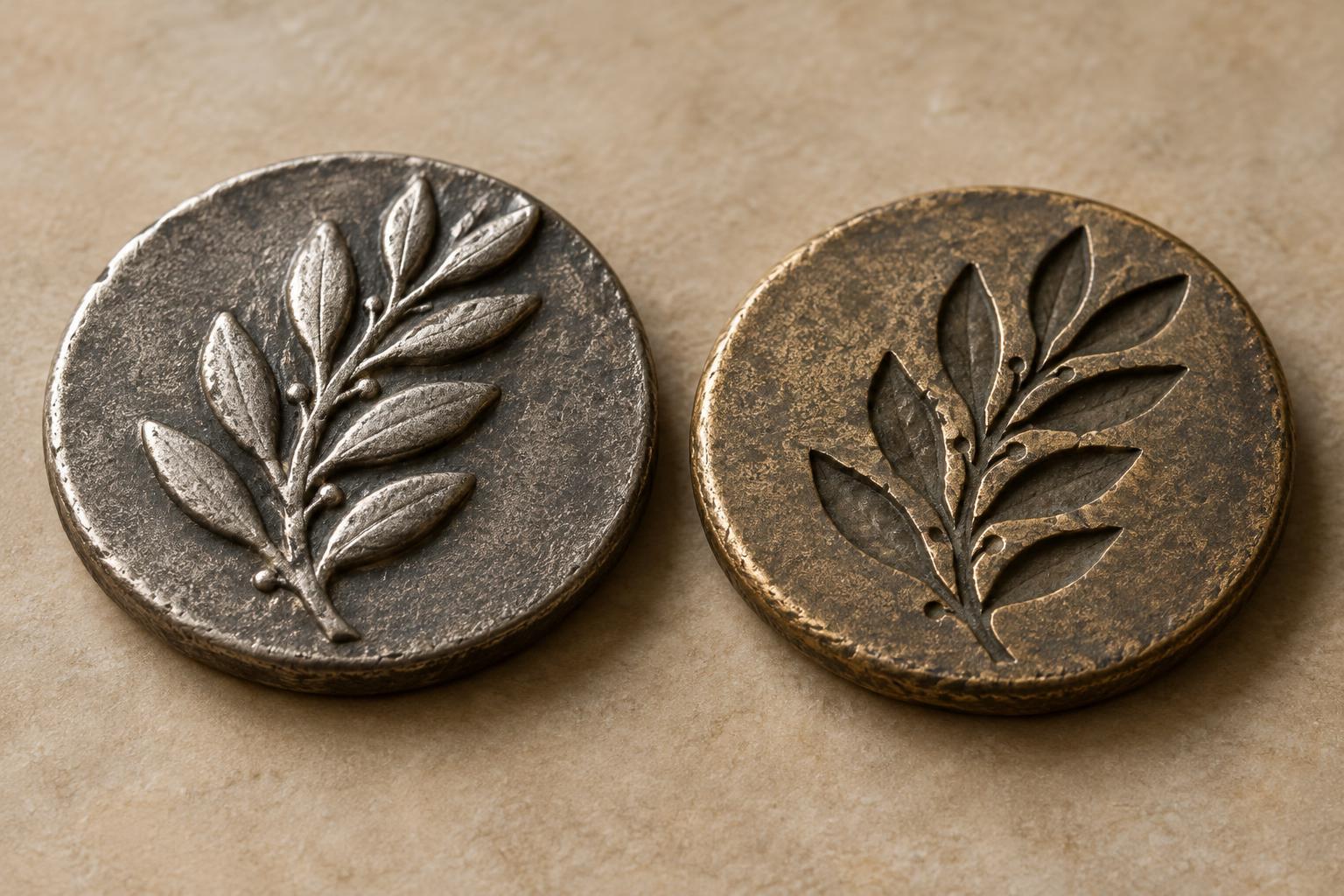
The field is the relatively open surface around a coin’s main design. On many coins, a portrait, emblem, date, or lettering stands above that field. These features are raised, also called relief. Tilt a coin under a light and the high points may catch the light while their edges cast small shadows. You can often recognize the effect without touching the surface.
An incuse feature goes the other way: it is recessed below the surface around it. A letter, line, or larger design element can be incuse. The term describes the feature’s position on the finished coin, not whether its subject is a portrait, a symbol, or a word. A single coin can combine raised and incuse elements, so it helps to describe the particular feature you mean rather than calling the whole coin one or the other.
How a die creates each effect
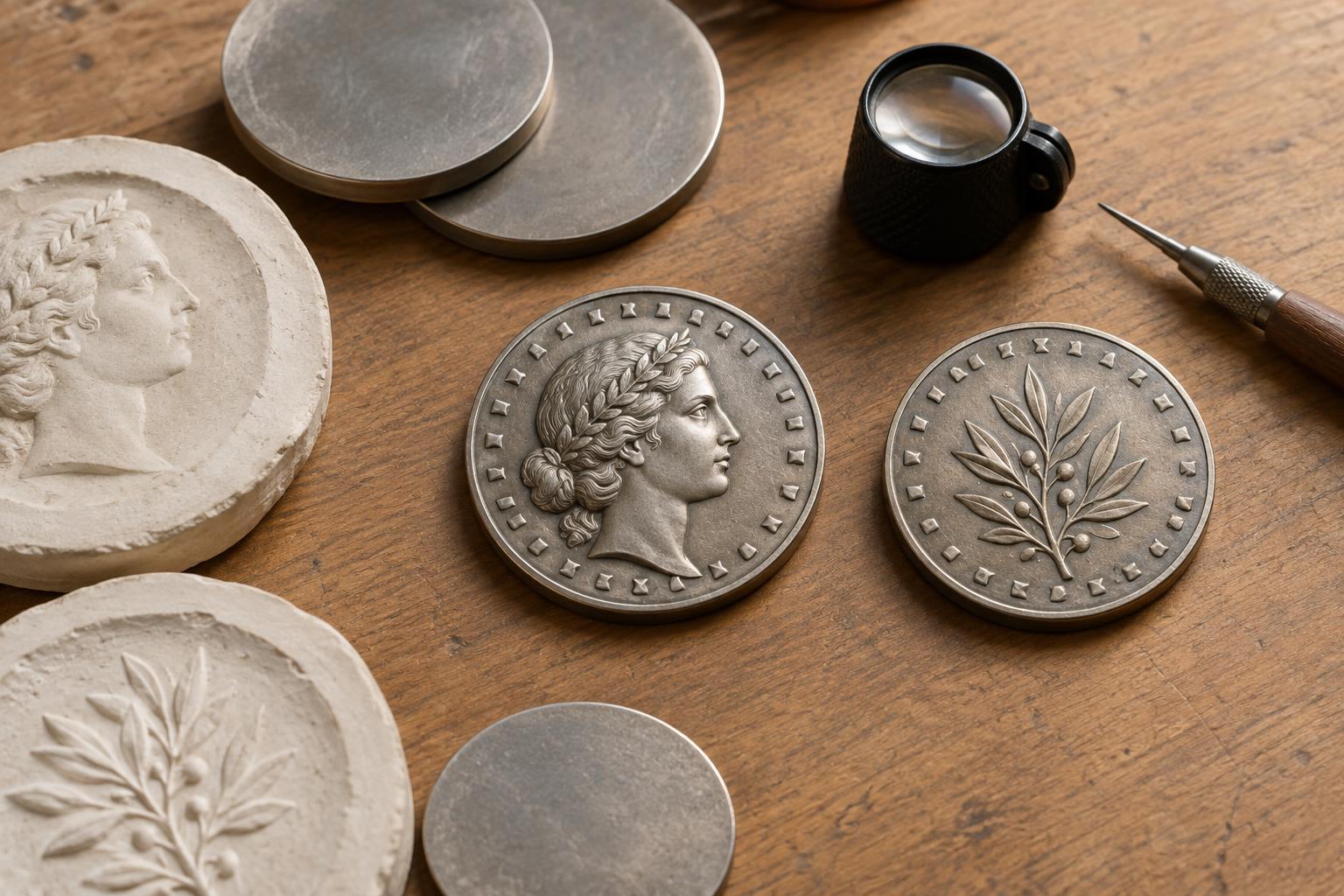
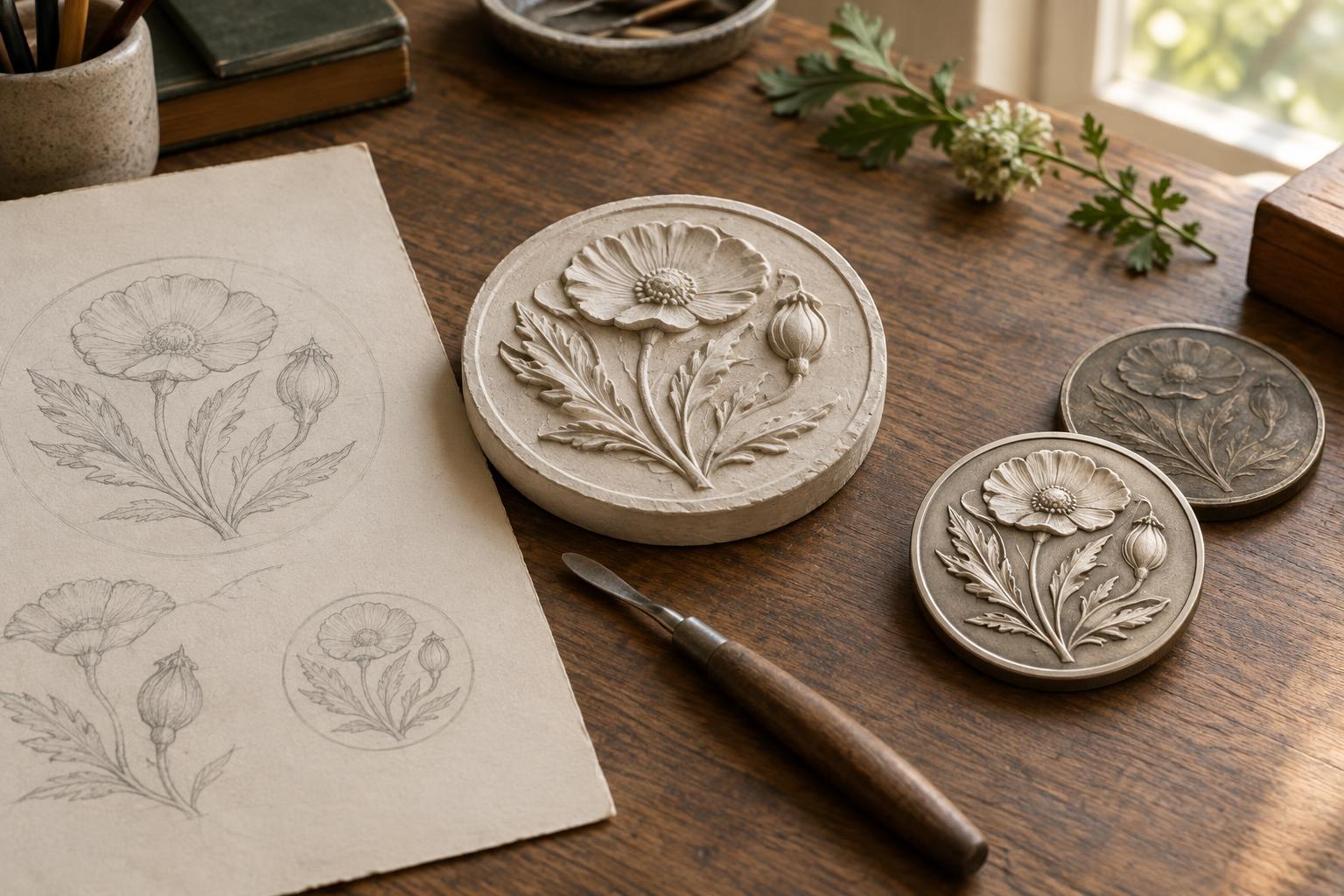
Coins are typically struck between dies that carry the designs. When a blank metal disc is struck, pressure moves metal into and around the shapes on the dies. The die and the resulting coin have opposite surface relationships: a recess in a die produces a raised feature on the coin, while a projection on a die can press a feature into the coin.
That reversal can be confusing when reading about minting. If someone says a design is cut into a die, it does not follow that the design will be incuse on the coin. Ask which surface is being described. “Raised portrait on the coin” and “recessed portrait in the die” can describe the same result.
Incuse lettering on an edge is another use of the term. The edge is the narrow surface around the coin, separate from its two faces. Edge lettering may be formed by equipment or steps that differ from those used to strike the main faces. Its recessed appearance tells you what to look for, but not by itself exactly how that particular coin was made.
Why designers choose one or the other
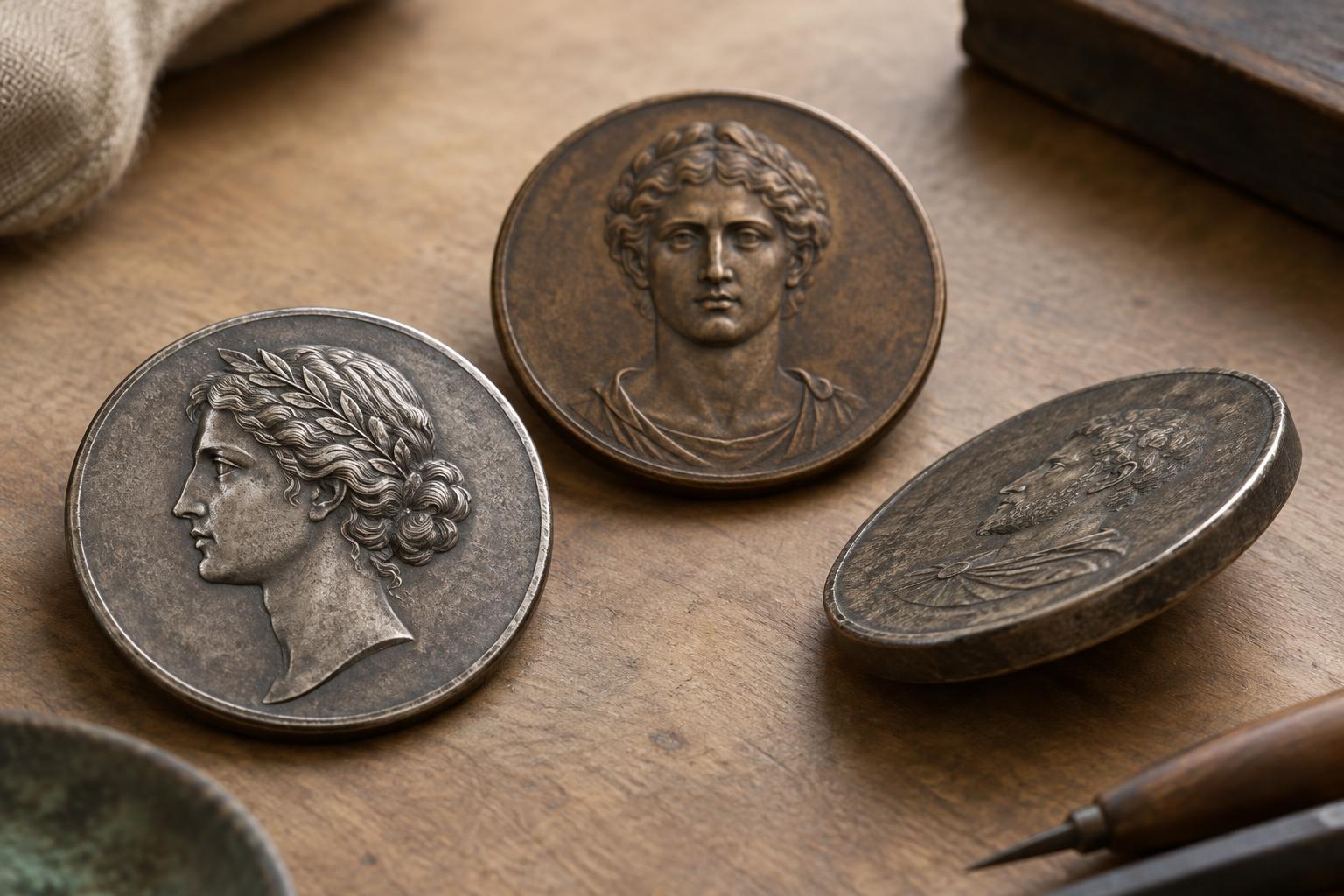
Raised relief makes a design easy to read through changes in light and shadow. Different heights can give a portrait or emblem a sense of depth. The height and placement of those features also affect how a coin looks after circulation: exposed high points often show rubbing before lower, more sheltered areas.
Incuse elements create a different visual effect. A recessed outline or letter may look crisp beside a flatter surrounding surface, especially when light strikes it at an angle. Recesses can also collect dirt or residue. Neither approach guarantees that a design will remain sharp: readability and durability depend on details such as depth, metal flow, handling, and the coin’s condition.
Designers may use incuse and raised features for appearance, to fit information into a limited space, or to establish a distinctive style. The presence of an incuse feature is not, on its own, a sign of rarity or greater value. It is a design choice that is useful to identify accurately before making comparisons.
A simple way to examine a coin
Hold the coin by its edge over a soft, clear surface, and use a steady light. Tilt it slowly rather than rubbing a finger across it. Look first at a broad field, then at a letter or design line beside it. Does the feature rise toward the light and cast a shadow onto the field? Or does the surrounding surface appear higher, with shadow inside the feature? A magnifier can help, but changing the light angle is often more useful than increasing magnification.
Compare several areas of the same coin. A raised rim, raised lettering, and a recessed design line can coexist. Wear may flatten high points, while dirt or toning may make a shallow recess look deeper than it is. Photographs can also reverse your impression of depth when the lighting direction is unclear. If you are uncertain, check the feature from another angle rather than relying on one view.
Use the terms as observation tools
For a collection note, a precise description is more helpful than a broad label: “raised date on the face” or “incuse lettering on the edge” tells you where to look. You can then record how clearly the feature appears without assuming its condition from the design style alone.
Understanding relief and incuse design makes it easier to discuss how a coin was shaped and to compare examples thoughtfully. The key question is simple: relative to the nearby surface of the finished coin, does the feature stand up or sink in?