A date that stands out in a series
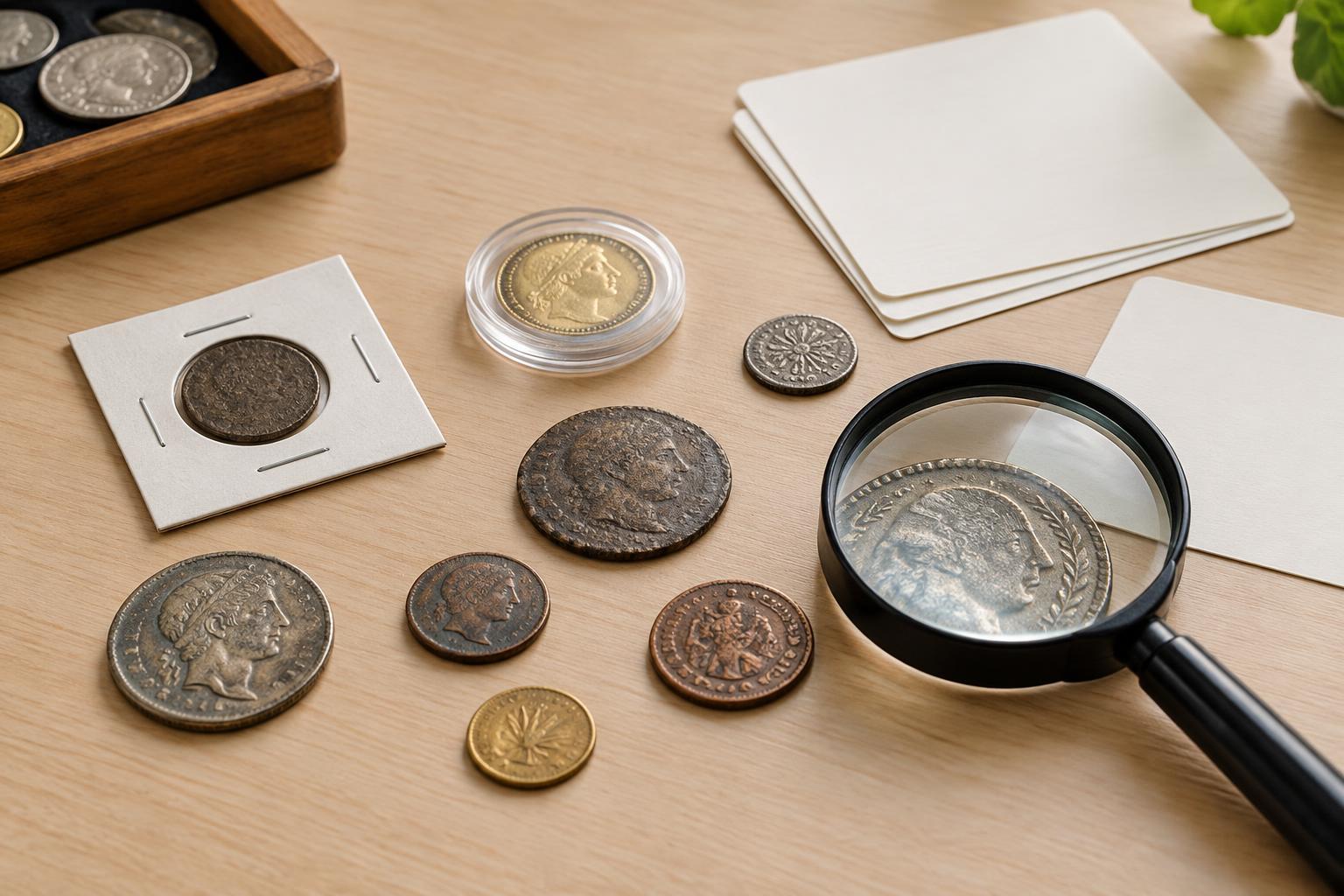
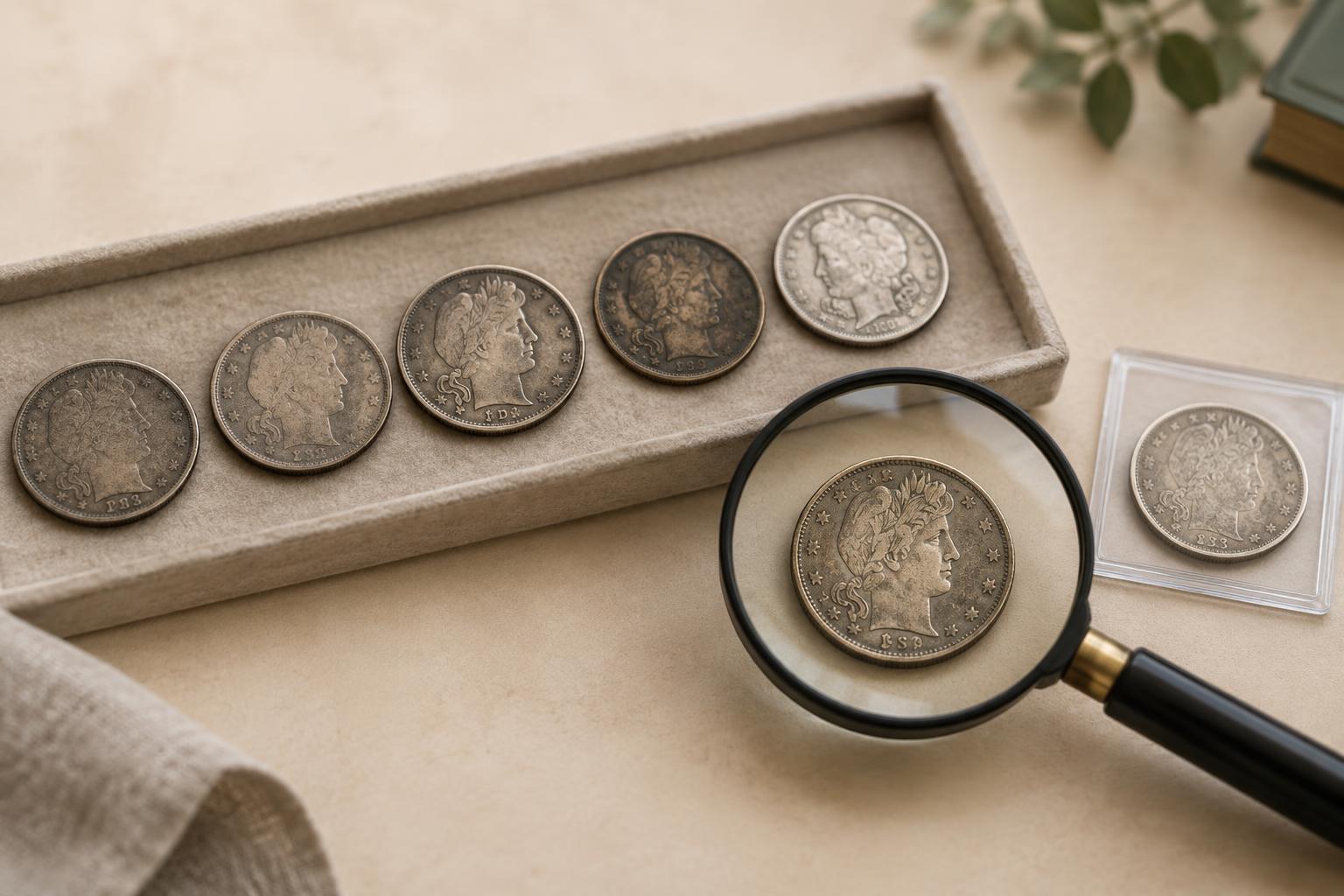
Many collectors organize coins into a series, such as one denomination and design collected year by year. Within that series, some entries are noticeably harder to find than others. Collectors often call the most sought-after, difficult-to-obtain entries key dates. A semi-key date is an entry that presents a meaningful challenge but is generally less elusive than the main keys. These are useful collecting terms, not official grades or fixed categories.
Despite the name, a key date is often identified by more than the year. Coins of the same design and year may have been struck at different mints. A year-and-mint-mark combination can be a key even when coins bearing that year from another mint are common. Depending on the series, a collector might also distinguish a recognized variety. Always find out exactly which coin an article, album, or seller means when it uses the word key.
Why some coins become keys
A low original mintage can help make a coin scarce, but mintage alone does not settle the question. Coins may have been lost, melted, heavily used, or saved in different numbers. What matters to a collector today includes how many examples appear to survive, their condition, and how often they become available. A coin with a modest mintage might be obtainable if many were saved, while another can be difficult to find in a particular grade.
Demand matters too. A series with many collectors trying to fill the same album spaces can put special attention on its tougher entries. Labels can therefore shift with context: one guide may call a coin a semi-key, while another calls it a key. The distinction is especially fluid when someone is discussing only high-grade examples rather than all surviving coins. It is clearer to say both which entry you mean and the condition you are considering.
Condition can change the challenge
Suppose a particular year-and-mint-mark coin can be found with substantial wear, but examples with sharp details are difficult to locate. It may be a manageable addition to a circulated collection and a major obstacle to a collection of unworn coins. Calling it rare without mentioning condition hides that difference. Grading terms describe preservation, but grading also involves judgment; small differences in wear or surface quality can affect how collectors compare examples.
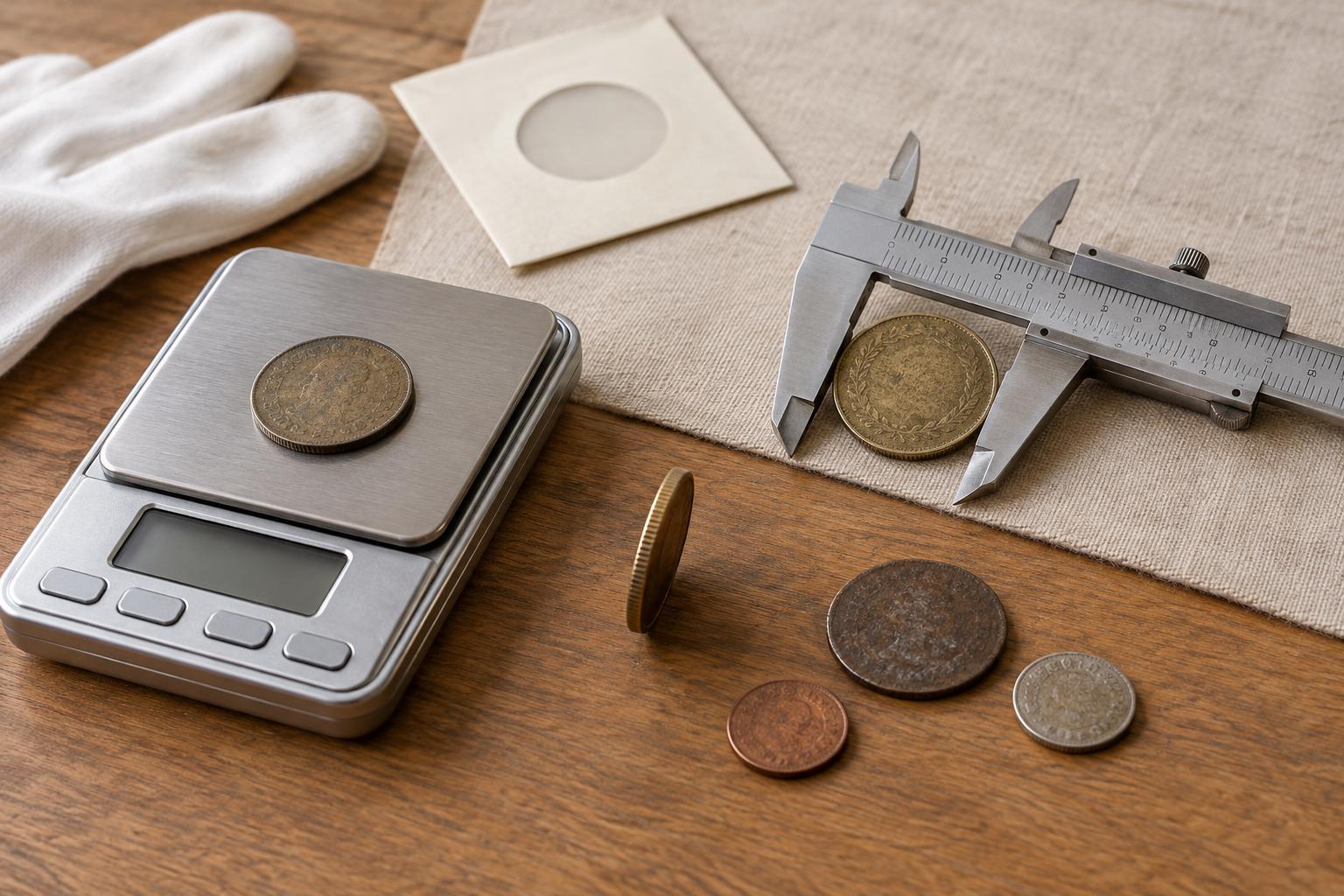
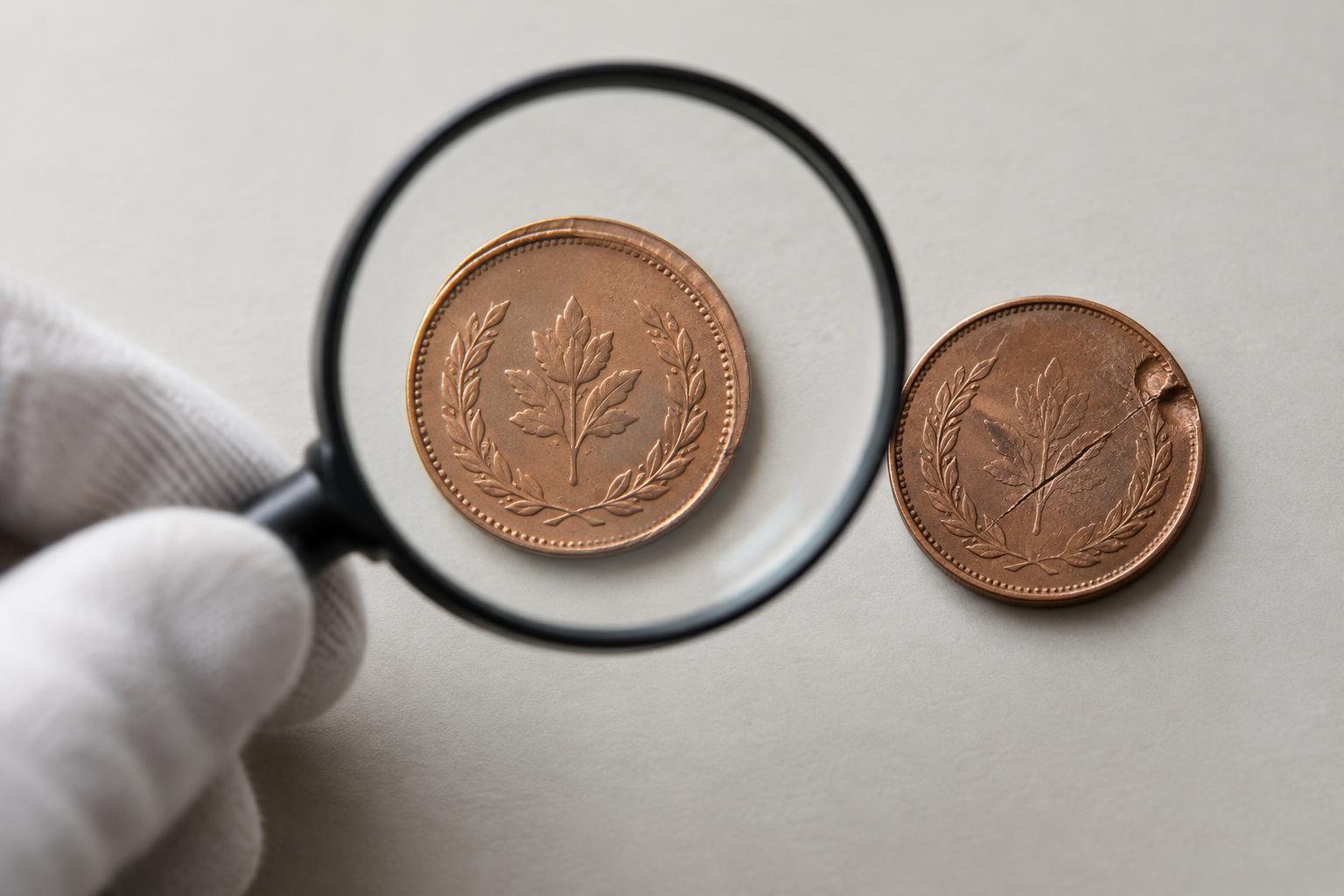
Before deciding that a coin fills a difficult space, check the date and mint mark carefully. Look at photographs or descriptions of the correct design so you know where the mint mark belongs, if that issue has one. Also note damage, cleaning, or altered surfaces. A genuine coin with problems may still be worth collecting, but its condition should be described plainly rather than treated as equivalent to an undamaged example of the same grade.
Using the labels when building a collection
A series checklist is a good starting point: list the years, mint marks, and any varieties you intend to include. Then mark the entries that collectors commonly regard as keys or semi-keys. This helps you see where patience or a change in scope might be useful. You do not have to pursue every difficult entry. Some people choose a date set with one coin per year, collect only circulated examples, or leave an album space open while they learn.
Treat price guides and asking prices as context, not as guarantees of what a coin is worth. Prices can vary with grade, authenticity, eye appeal, and the market in which a coin is offered. If you are considering an expensive key, take time to compare the exact year, mint mark, condition, and any noted problems. Because desirable entries can attract misidentified or altered coins, authentication by a reputable specialist or grading service may be worth considering before a major purchase.
A useful term, not a shortcut
Key and semi-key are shorthand for relative difficulty within a defined collecting goal. They can help a beginner understand why an apparently ordinary coin receives more attention than its neighbors in an album. They cannot tell you, by themselves, whether a specific coin is genuine, how well it has been preserved, or what someone should pay for it.
The most helpful question is not simply, “Is this a key date?” Ask, “Which exact issue is it, and why is it difficult in the condition I want?” That question turns a label into a practical way to study a series. It also leaves room for the part of collecting that an album checklist cannot measure: choosing coins whose designs, history, and individual appearance interest you.