Coins and the wartime demand for metal
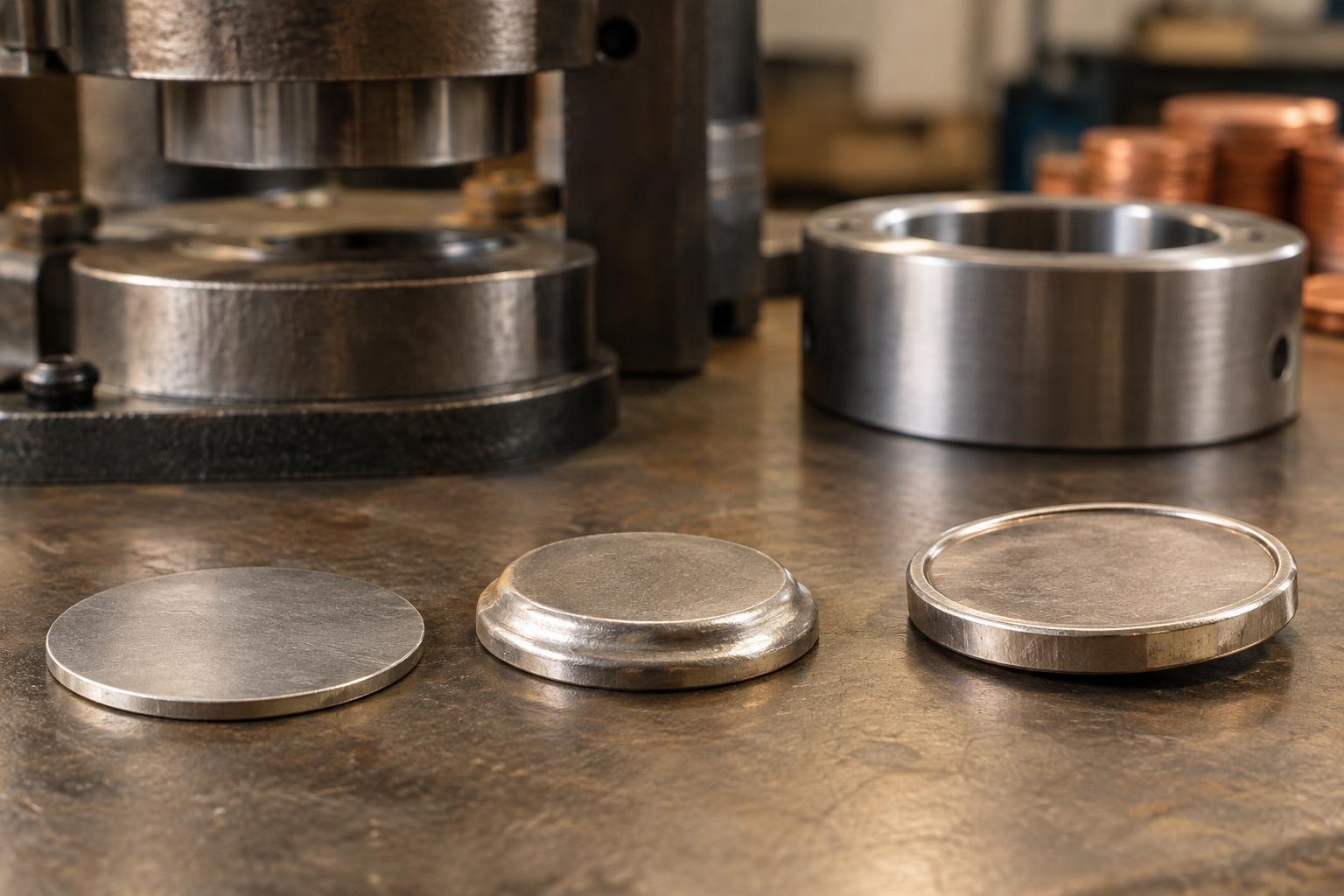
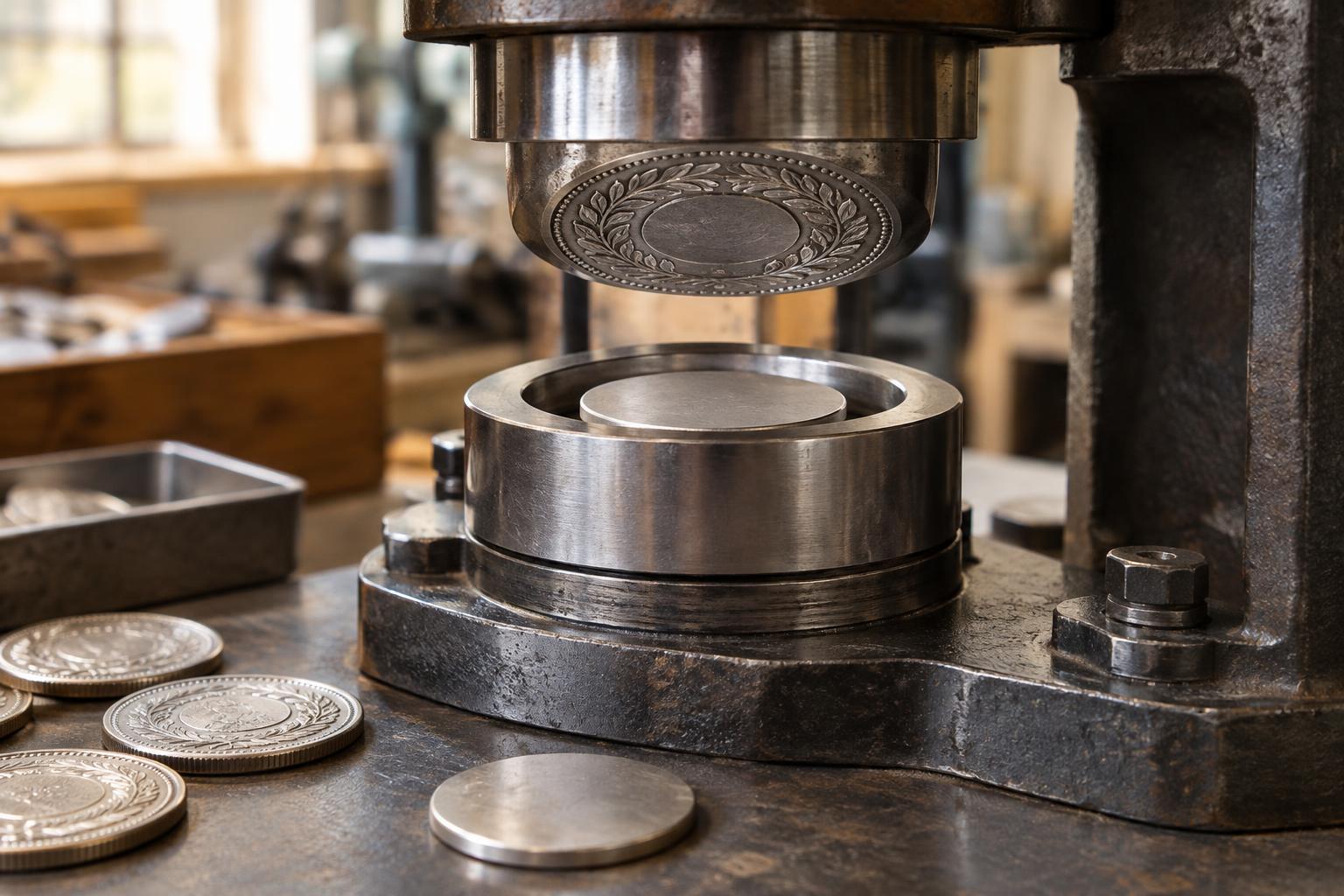
A coin’s metal is easy to take for granted. It must survive handling, work in everyday transactions and be practical to produce in large numbers. During World War II, those familiar requirements had to be weighed against another need: metals used in coinage were also valuable to wartime production. The U.S. Mint responded by changing the composition of two common coins, the cent and the five-cent piece.
The changes were not the same for both denominations. The cent briefly exchanged its familiar copper-based alloy for steel. The five-cent coin kept its usual appearance but replaced its copper-nickel composition with an alloy containing silver. Looking at the two coins side by side shows how a shortage or competing use for one metal could lead to a very different-looking solution.
The 1943 cent: a familiar design in unfamiliar metal
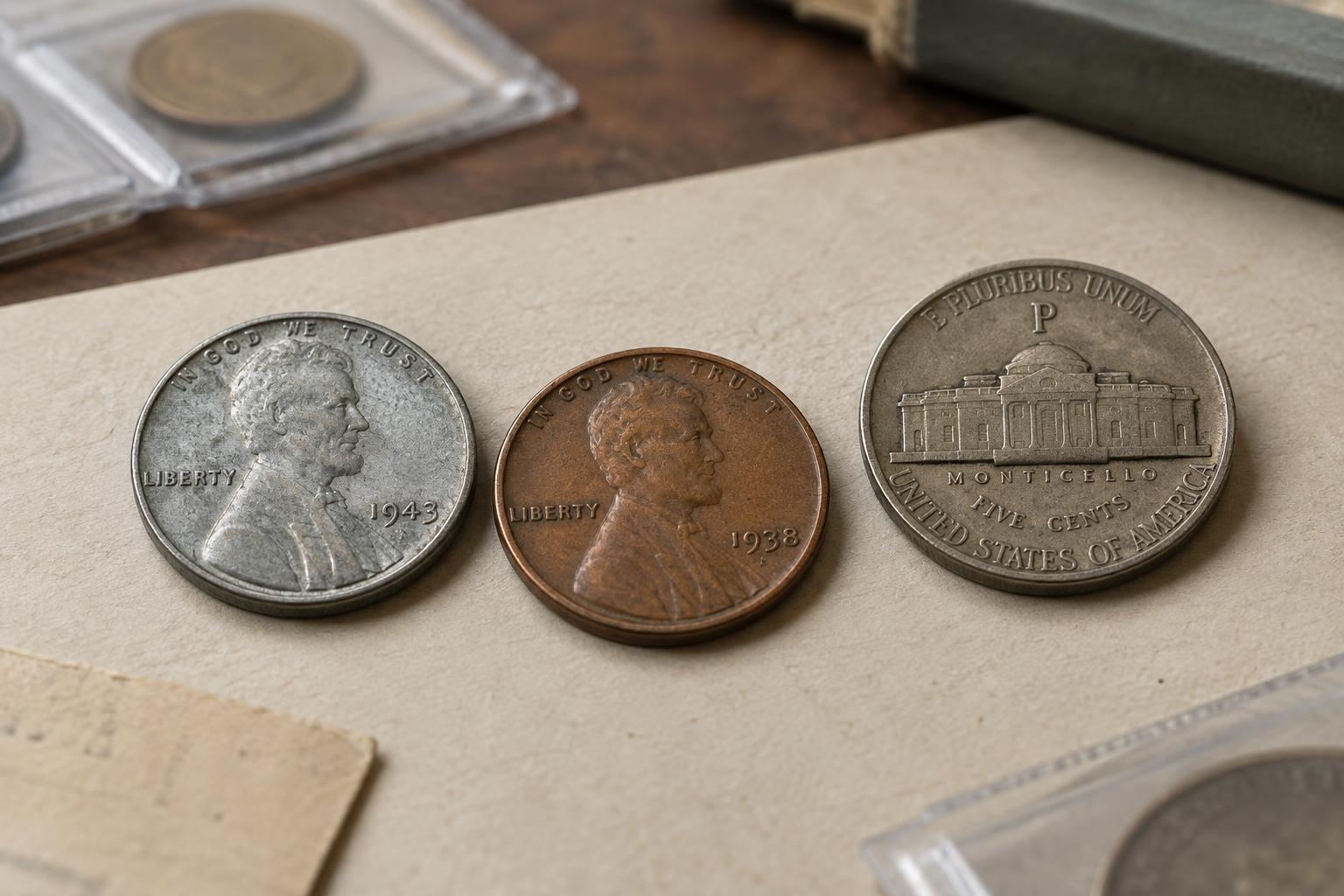
Before 1943, the Lincoln cent was made from a copper-based alloy. For coins dated 1943, the Mint instead used steel coated with zinc, conserving copper for other purposes. The design remained familiar, but the coin looked silvery rather than reddish brown. Its steel core also made it magnetic, unlike an ordinary copper-based cent.
The new material had drawbacks in daily use. Its pale color could make the cent easy to confuse at a glance with a dime, despite their different sizes. If the zinc coating wore away or was damaged, exposed steel could rust. These practical differences help explain why the 1943 steel cent is remembered as more than a simple change in composition.
Copper-based cents returned in 1944. Reclaimed cartridge cases contributed metal to cent production during the war, but that does not mean every 1944 cent can be traced to a particular shell casing. Collectors may also hear about rare 1943 copper-based cents or 1944 steel cents. Those are exceptions, not the normal issues for their dates, and appearance or a magnet test alone is not enough to authenticate an unusual coin.
The wartime nickel: a change hidden in plain sight
The five-cent coin presented a different problem. Despite its name, the standard U.S. nickel was an alloy of 75% copper and 25% nickel. To reduce the need for nickel, the Mint introduced a wartime composition during 1942: 35% silver, 56% copper and 9% manganese. The same composition continued on five-cent coins dated 1943, 1944 and 1945. Standard copper-nickel composition returned in 1946.
Because the design stayed much the same, the quickest identifying feature is a large mint mark above Monticello on the reverse. These wartime marks are P, D or S. The large P was especially notable: it marked the first time a Philadelphia mint mark appeared on a U.S. coin. Check the reverse rather than relying on color, which can change with wear and toning.
The date 1942 needs an extra look. Some 1942 nickels have the standard composition, while others have the wartime silver alloy. A large mint mark above Monticello identifies the wartime type. A small mint mark beside the building, or no mint mark in that usual location, belongs to the standard-composition type. This distinction makes 1942 a useful year for learning why a date by itself does not always tell a coin’s whole story.
What these coins can teach a collector
A simple comparison set can tell the story without requiring scarce coins. Place an ordinary prewar cent beside a 1943 steel cent and a 1944 copper-based cent. Then compare a standard-composition nickel with a wartime nickel, paying attention to the large reverse mint mark. The exercise shows that a composition change may be obvious, as on the cent, or almost invisible until you know where to look.
Handle coins by their edges and keep them in holders suited to coin storage. For a steel cent, a dry storage environment is particularly helpful because damage to its coating can leave the steel vulnerable to rust. Avoid cleaning either type: rubbing or chemical treatment can alter the surfaces that collectors use to assess condition.
These coins are historical objects first, not promises of future value. Condition, authenticity, mint mark and demand can all affect what a particular example is worth. Their lasting appeal is easier to explain: two coins once used in ordinary transactions still carry visible evidence of the choices made when familiar metals had competing uses.