What makes a strike a wrong-planchet error?
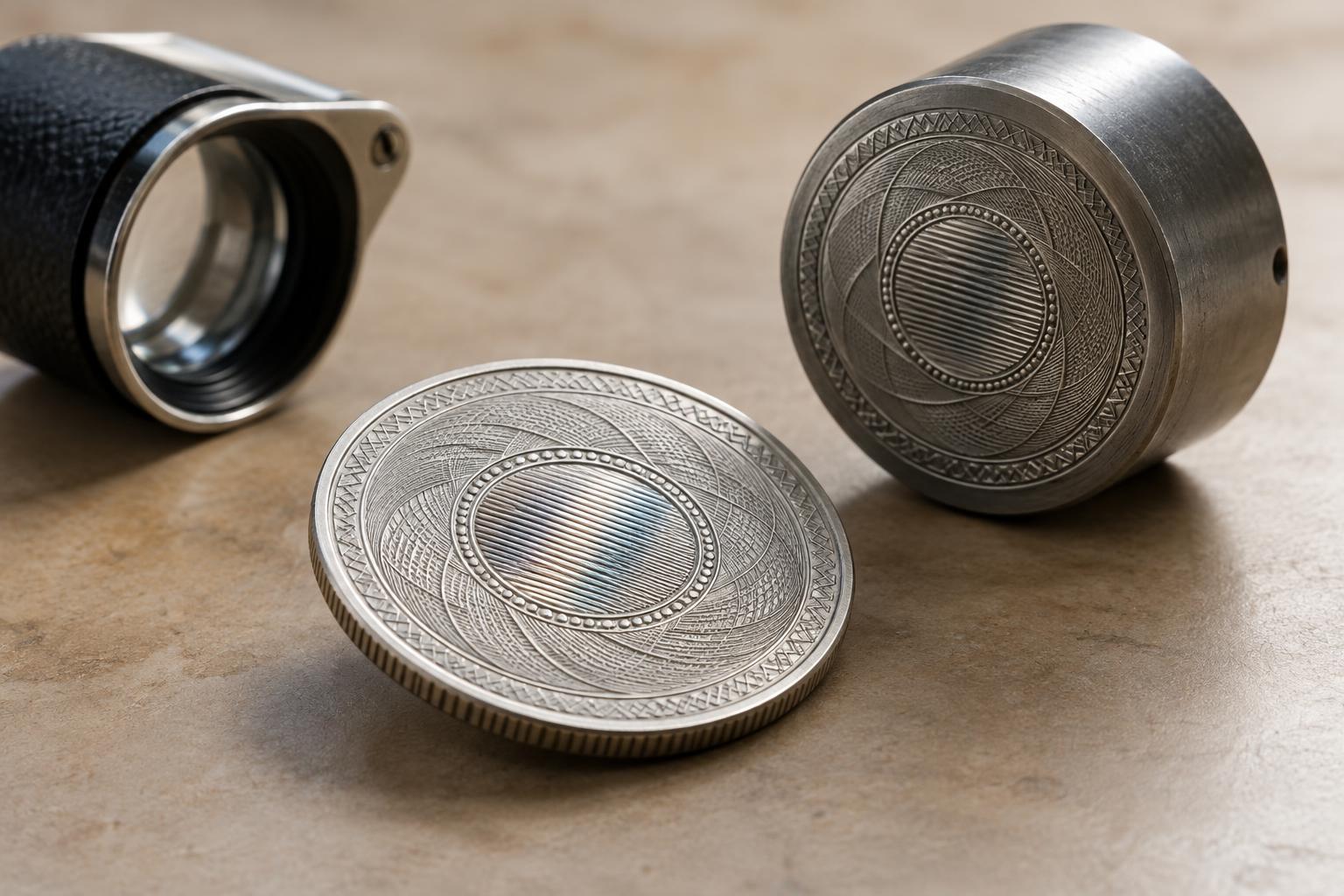
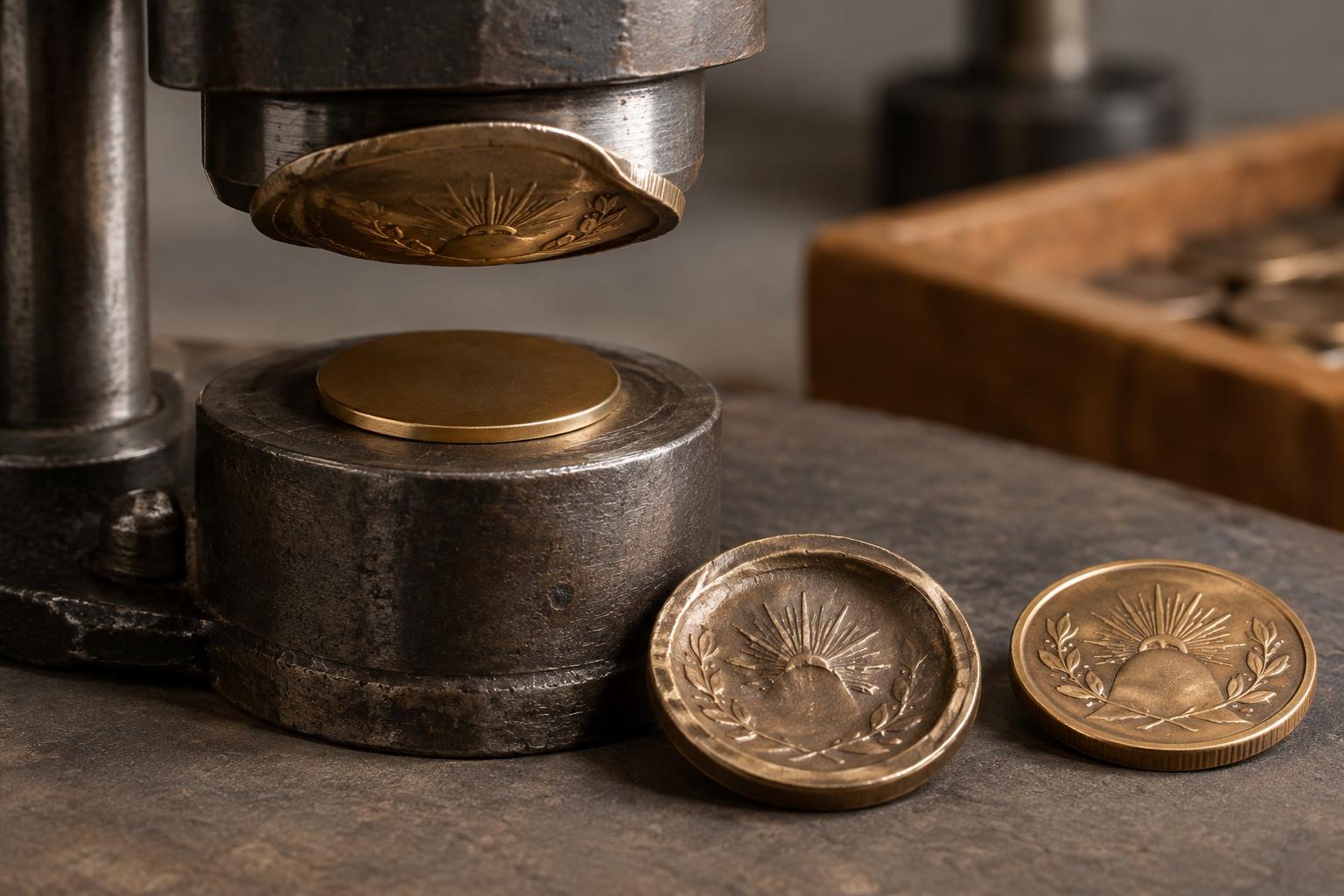
A coin begins as a piece of metal prepared for striking. Collectors often use “blank” for a piece before its rim is raised and “planchet” for one that has been prepared for the press. In a wrong-planchet strike, dies intended for one coin strike a planchet meant for another. The design comes from the dies, but the metal, initial size and initial weight come from the unintended planchet.
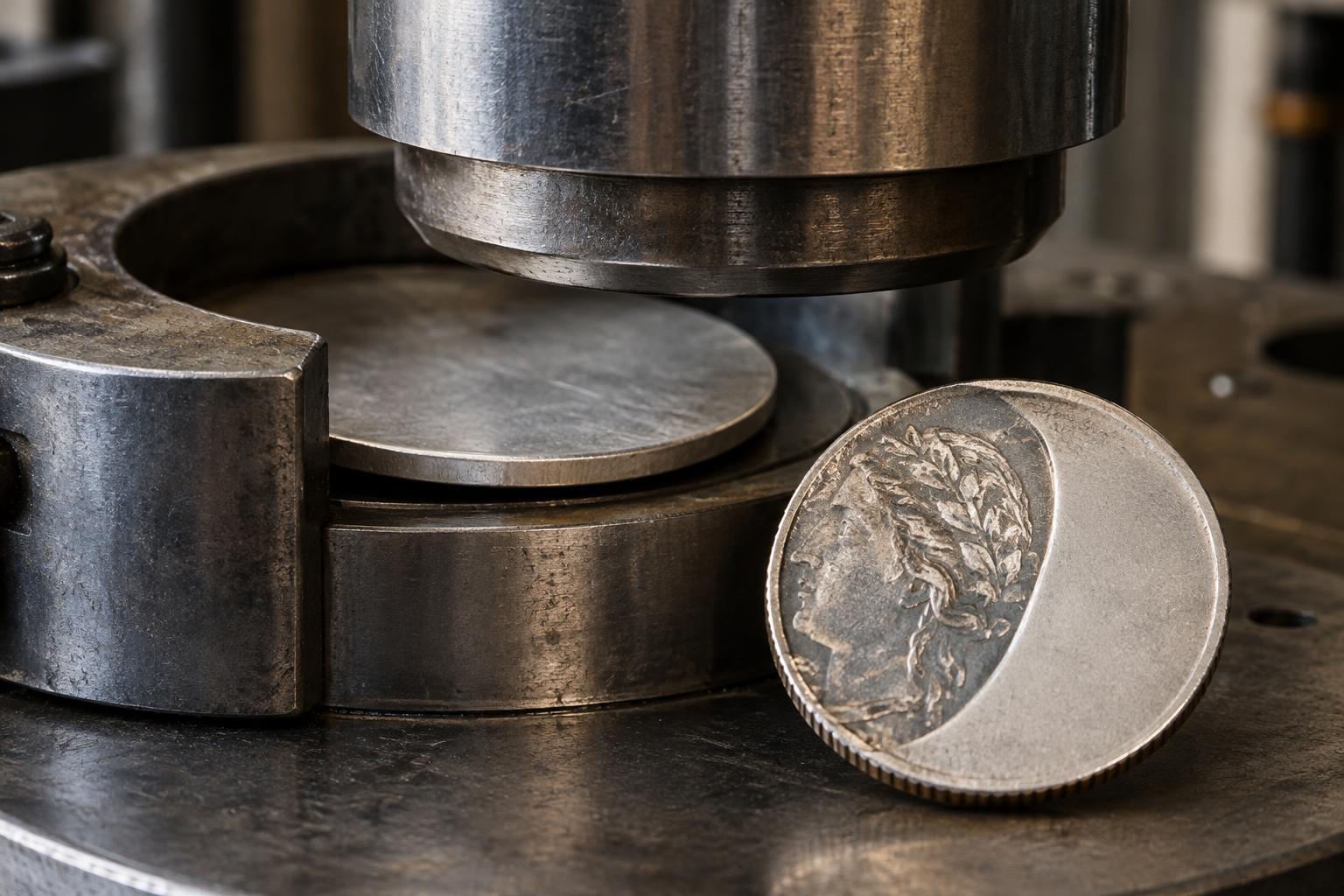
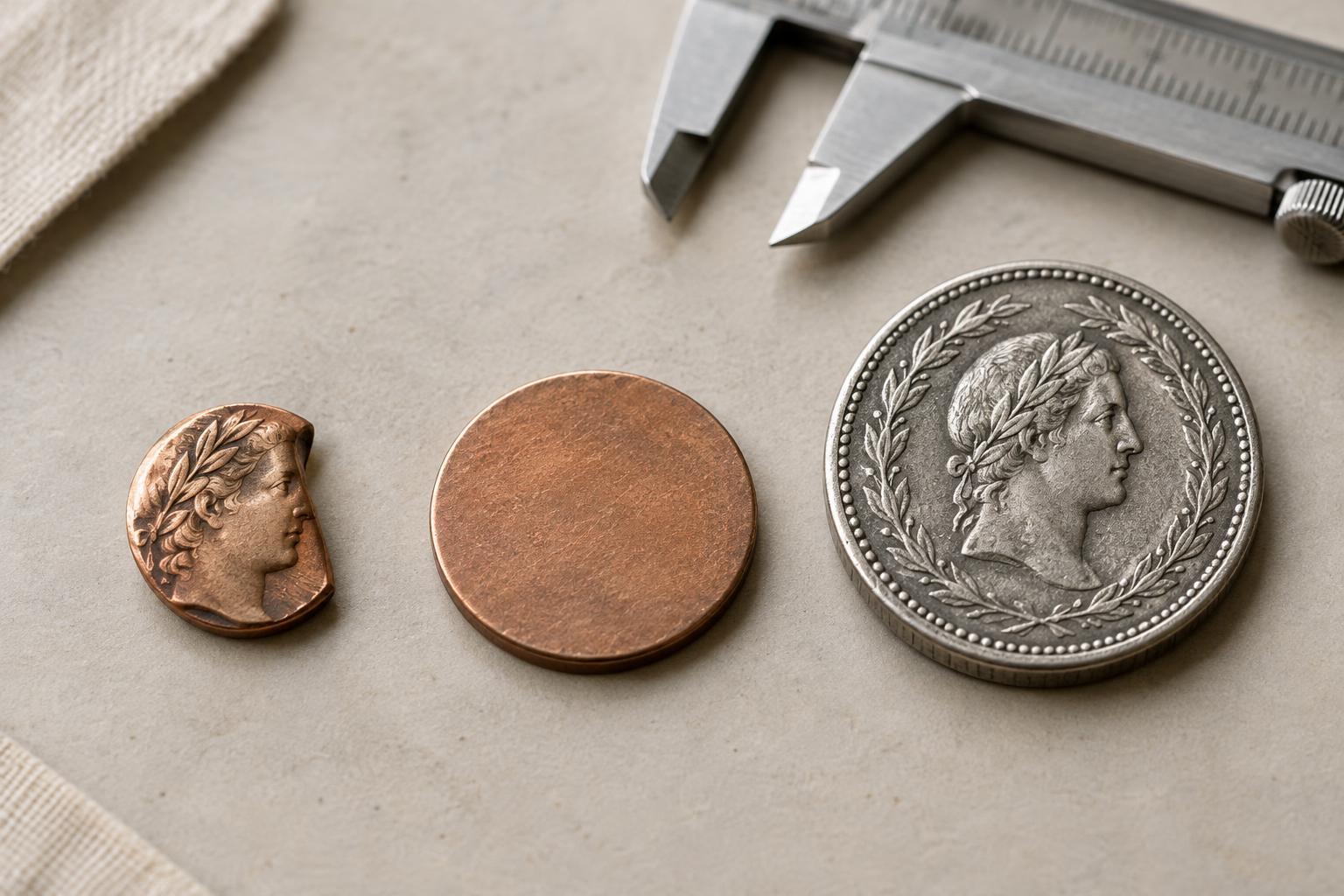
For example, dies for a larger denomination might strike a smaller denomination’s planchet. The resulting coin could show the larger coin’s design on a piece that is too small to hold it all. Other combinations are less obvious: the wrong planchet might be close to the expected size but have a different composition. The defining feature is the mismatch between the dies and the planchet, not simply an unusual-looking coin.
How can the wrong planchet reach a press?
Coin presses are supplied with planchets made for a particular issue. If a planchet of another type gets mixed into that supply and passes through the feeding equipment, the press may strike it with the dies already installed. The finished error then leaves the press carrying a design that does not belong on that piece of metal.
This explanation sounds simple, but identifying exactly how a particular planchet entered the supply is usually harder. A collector can often describe the physical mismatch without knowing the precise route it took through a mint. Terms such as “struck on a smaller planchet” describe what the coin appears to be; a more specific claim about where that planchet came from needs stronger evidence.
What changes in the finished coin?
Size affects how much of the design can appear. A planchet smaller than the one expected by the dies may leave outer lettering or design elements incomplete, even when the strike is reasonably centered. Because striking can cause metal to spread, the finished coin’s diameter is not always identical to the planchet’s original diameter. A larger or unusually shaped planchet may show other differences, depending on how it sat within the striking area.
Composition can provide another clue. A coin may have the color, surface or visible edge layers associated with a different planchet type. Weight is especially useful to record: a suspected wrong-planchet coin may weigh closer to the planchet it was struck on than to a normal example of the denomination shown by its design. None of these observations proves the cause by itself. Wear, damage and changes made after a coin left the mint can also affect its appearance or weight.
How to examine a suspected example
Start by identifying the design and denomination, then compare the coin with a normal example of the same type. Look for missing outer details, differences in thickness or color, and anything unusual about the edge. Measure its weight with a suitable scale and its diameter with care. Compare those measurements with published specifications for both the coin shown by the dies and any proposed source planchet.
Next, ask whether the evidence fits one explanation consistently. A small coin with incomplete lettering might have been struck on a smaller planchet, but an off-center strike can also leave part of a design missing. Metal removed after striking can reduce weight. Plating or discoloration can make an ordinary coin seem to have the wrong composition. Photographs of both faces and the edge, alongside clear measurements, make it easier to assess the possibilities without repeatedly handling the coin.
Why careful identification matters
Wrong-planchet strikes are appealing because they reveal how a coin’s design and its prepared metal come together. They also invite overconfident labels. A collector might recognize that a coin is not normal while still being unable to name the exact planchet. It is reasonable to describe what is observable—such as an unexpected weight or a design that extends beyond the available metal—and leave the source planchet uncertain.
If the coin may warrant specialist examination, keep it protected and avoid cleaning, scraping or testing its surface in ways that could cause damage. Authentication may be useful when several explanations remain possible. Collector interest and value vary with the coin, its condition and how convincingly the error can be identified. The best first step is not to guess what it might be worth, but to document what the coin itself shows.